Autism: Early awareness and support strengthen children’s development
May 11, 2026
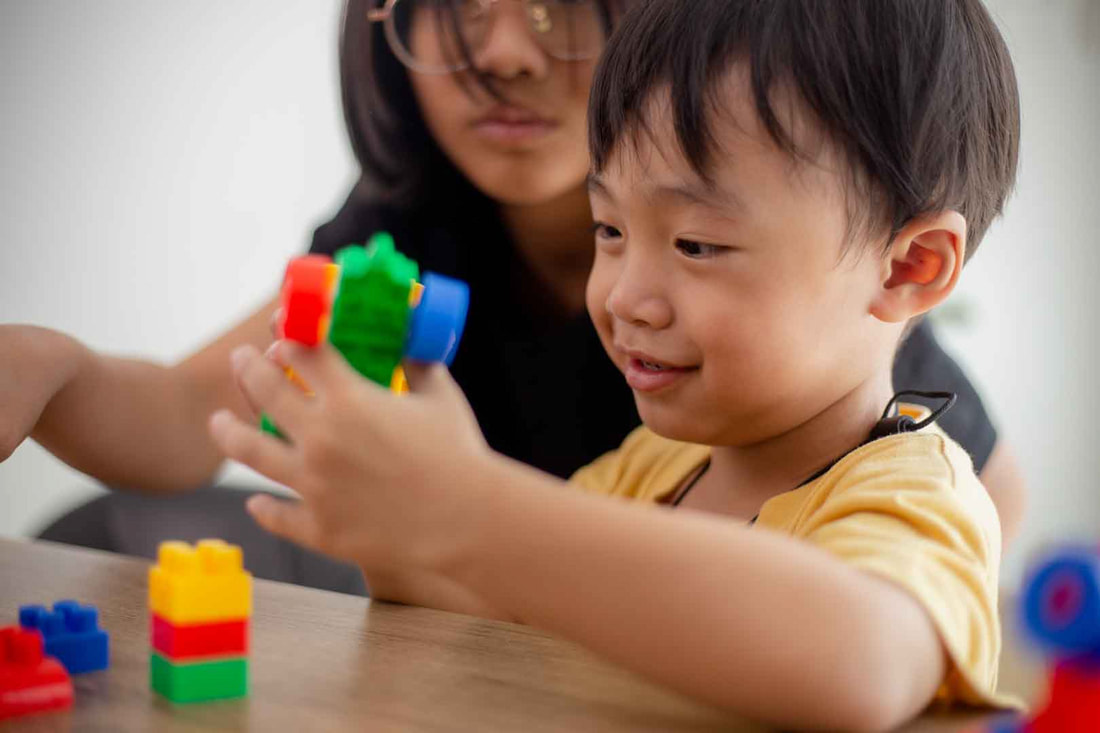
Autism diagnoses occur more frequently in boys, with studies indicating a diagnosis ratio of approximately four boys to every one girl.
Autism spectrum disorder (ASD) is a lifelong neurodevelopmental condition that affects communication, social interaction, and sensory processing. Present from birth, autism is not a disease or a temporary phase. Rather, it represents a different way of experiencing and interacting with the world.
ASD exists on a spectrum, meaning its characteristics and support needs vary widely from person to person. Some children may be non-verbal and require significant assistance in daily activities, while others may be highly verbal and capable of independent living. Each child with autism has a unique profile of strengths, challenges, and ways of communicating. Understanding autism early in a child’s development can make a significant difference in their ability to learn, communicate, and thrive. Early recognition, timely diagnosis, and supportive environments help families access interventions that can greatly improve outcomes for children on the spectrum. Autism in Malaysia: A growing reality In Malaysia, awareness of autism has increased significantly over the past decade, accompanied by a noticeable rise in registered cases. Nearly 60,000 children with autism were registered with the Malaysian Welfare Department as of early 2025. Research studies also indicate that autism prevalence among school-age children has been steadily increasing. The rate rose from 6.34 cases per 1,000 children in 2018 to 9.29 cases per 1,000 children by 2022, with similar trends expected to continue into 2026. Globally, autism prevalence is often estimated at around 1 in 36 or 1 in 100 children. However, Malaysian data focuses more specifically on the rapid growth in registered diagnoses. These figures highlight an important reality: autism is not rare in Malaysia, and increasing awareness is helping more families seek support and intervention. Greater public understanding is also encouraging schools, healthcare providers, and communities to create more inclusive environments for neurodivergent children. Recognizing the characteristics of autism According to Dr Jayamalini Eaganathan, Founder and CEO of TMP Little Scientist Research Academy, autism diagnoses tend to occur more frequently in boys. “Diagnosis ratio is about 4:1, whereby boys are diagnosed more often,” she explained while speaking at UNITAR's Embracing Neurodiversity Series 3 Special Needs Capacity Building Workshop. The core characteristics of autism generally fall into three areas: 1. Differences in social communication Children with autism may have difficulty understanding social cues, maintaining conversations, or interpreting facial expressions and body language. 2. Repetitive behaviors and routines Some children may engage in repetitive movements, show strong preferences for routines, or focus intensely on specific interests. 3. Sensory sensitivities Many children with autism experience heightened or reduced responses to sensory input such as sound, light, textures, or smells. It is important to remember that these traits appear in different combinations and intensities. No two children with autism are exactly alike. The diagnostic journey for families For many parents, the journey toward an autism diagnosis begins with subtle observations at home. Parents may notice speech delays, limited eye contact, social withdrawal, or repetitive behaviors that seem different from other children of the same age. Trusting these early instincts can be an important first step. The diagnostic pathway typically follows several stages: 1. Observing developmental signs Parents often begin by noting communication delays, unusual play patterns, or strong sensory reactions. 2. Consulting a pediatrician Families should discuss their concerns openly with a pediatrician and request a developmental screening. 3. Referral to specialists If autism is suspected, the child may be referred to specialists such as developmental pediatricians, child psychologists, or child psychiatrists. 4. Comprehensive assessment A multidisciplinary team may evaluate the child using internationally recognized diagnostic tools such as the Autism Diagnostic Observation Schedule (ADOS) and the Autism Diagnostic Interview–Revised (ADI-R). This process can take several months and may feel overwhelming for families. However, persistence and patience are essential. A formal diagnosis can unlock access to therapy services, early intervention programs, specialized educational support, and government assistance. Support services available in Malaysia Several organizations and healthcare institutions provide support and intervention services for children with autism and their families. Key resources include:
These services offer speech therapy, occupational therapy, behavioral interventions, and family support programs designed to help children build communication and life skills. Communication strategies for parents Parents play a central role in supporting their child’s communication development. Small changes in daily interaction can make a meaningful difference. Use simple language Speak in short, clear sentences. Avoid sarcasm, idioms, or figurative expressions that may be difficult to interpret. Say exactly what you mean. Use visual supports Visual tools such as picture schedules, PECS (Picture Exchange Communication System) cards, and social stories can help children understand routines and expectations. Allow processing time After asking a question, give your child time to think. Waiting 10 to 15 seconds before repeating the question allows them to process information and respond. Use positive reinforcement Celebrate effort, not just outcomes. Praise, stickers, or preferred activities can encourage positive behavior and communication attempts. Maintain consistent routines Predictable daily schedules reduce anxiety and create a stable environment where children feel safe to communicate. Follow your child’s lead Join the activities your child enjoys first. Once engagement is established, gently expand the interaction. This approach builds trust and encourages natural communication. Building a more inclusive future As awareness of autism continues to grow in Malaysia, communities are increasingly recognizing the value of neurodiversity. Children with autism bring unique perspectives, talents, and ways of thinking that enrich society. With early diagnosis, supportive families, accessible therapy services, and inclusive education systems, children on the autism spectrum can develop meaningful skills and lead fulfilling lives. The most powerful step begins with understanding—recognizing that autism is not something to be “fixed,” but rather a different way of experiencing the world that deserves acceptance, support, and respect. |
EXPLORE FURTHER
|
Understanding autism spectrum disorder: Challenges, strategies, and supportA neurodevelopmental disability, not just a learning disorder
|

|
Barriers to support: Challenges for autistic individuals and their familiesCelebrating strengths of autistic individuals and their families
|
|
The vital role of job coaches in supporting persons with disabilitiesEnhancing employment opportunities for individuals with autism
|
|
Advancements in education for autistic childrenA comprehensive approach to special education and inclusion
|

|
Building positive relationships in families with autistic childrenTips for parents raising an autistic child
|

|
Possible link between metal toxicity and autismHigher levels of toxic metals found in the blood and urine of autistic children
|
|
National Autism Society launches certified e-commerce programme for youthsA 6-week training program in essential e-commerce skills
|

|
Bukit Tinggi Medical Centre's art gallery raises funds for the autism societyVoices through art featuring 42 pieces by autistic creatives aged 17 to 29
|