Diabetes linked to higher gallbladder disease risk
June 3, 2026
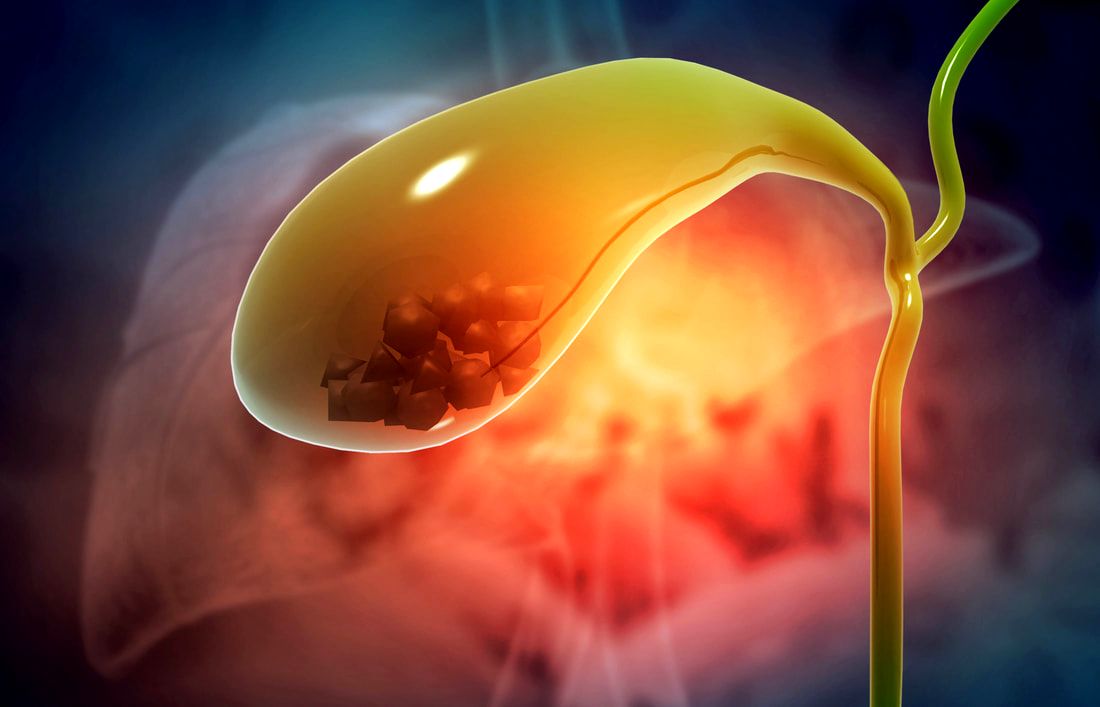
Diabetic patients may live symptom-free with gallstones for years, but once symptoms develop, they face a significantly higher risk of severe infections and complications.
Diabetes is associated with a variety of health complications, including gallstones and other gallbladder disorders. While these conditions may remain silent for years, they can rapidly progress into serious, potentially life-threatening emergencies if left undetected.
During Assunta Hospital’s GP Symposium, Diabetes 360: A Multidisciplinary Approach for GPs, Consultant General and Hepatobiliary Surgeon Dr Kamarajan Ramayah (picture below) highlighted the importance of recognizing gallbladder disease and pancreatic disorders in diabetic patients, who often present with atypical symptoms. 
Understanding the gallbladder’s role
The gallbladder is a small organ located beneath the liver that stores bile produced by the liver. Bile is subsequently released into the small intestine to aid the digestion of fats. The gallbladder’s ability to store and release bile effectively is essential for normal digestive function. However, bile can sometimes harden into deposits known as gallstones. These stones may obstruct the flow of bile and are the most common gallbladder-related problem encountered in clinical practice. According to Dr Kamarajan, gallstones are often referred to as “silent killers” because many patients develop them without experiencing symptoms for years. “I've seen many diabetic patients who remain completely well despite having gallstones for five to ten years. Then suddenly, they present to the hospital with fever and severe complications. Diabetics have a much higher risk of developing complicated infections once symptoms occur,” he explained. Gallbladder red flags not to ignore Although gallstones may remain asymptomatic, they can eventually lead to serious complications. “One day, patients may develop a ruptured gallbladder extending into the liver. They present with right upper quadrant pain, fever and jaundice,” said Dr Kamarajan. Jaundice is an especially important warning sign. While it may indicate gallstone disease, it can also signal an underlying malignancy. Early detection is crucial because timely treatment can significantly improve outcomes and may be life-saving. In some cases, elderly diabetic patients present with sepsis without an obvious source of infection. Dr Kamarajan stressed that these patients can deteriorate very quickly. “An elderly diabetic who develops fever and becomes unwell can decline rapidly. One day they have a fever, and by the next day they may require intubation and develop septic shock. Elderly diabetics need to be monitored very carefully,” he cautioned. Diagnosing gallbladder disease Most gallstones are identified after patients develop symptoms, particularly abdominal pain. However, investigations can also detect gallstones before complications arise. Common diagnostic tests include a full blood count, C-reactive protein (CRP), liver function tests and abdominal ultrasound. Patients suspected of having cholangitis or sepsis require urgent hospital admission. Dr Kamarajan emphasized the importance of seeking immediate medical attention when fever develops. “The moment a patient develops fever, they should go straight to the hospital. Don't go home and wait until the next day. If you have fever and chills, proceed directly to the emergency department.” Acute pancreatitis in diabetic patients Acute pancreatitis is another serious condition that can occur in diabetic individuals. The most common causes include gallstones, hypertriglyceridaemia and certain medications. Typically, pancreatitis presents with severe epigastric pain radiating to the back. However, diabetic patients frequently present differently. “Diabetic patients often do not present with the classic symptoms. Instead, they may have vague abdominal discomfort and nonspecific symptoms,” Dr Kamarajan explained. Because pancreatitis can progress rapidly, any patient with suspected epigastric pain radiating to the back should be referred urgently to hospital for assessment and management. Pancreatic cancer often diagnosed late Pancreatic cancer remains one of the most challenging malignancies to diagnose because its symptoms often overlap with common benign gastrointestinal conditions. “Pancreatic cancer and liver cancer generally have poor outcomes because they are often detected very late. Patients frequently present with vague symptoms such as abdominal pain,” said Dr Kamarajan. Fortunately, the increasing use of wellness screening programs has improved detection rates. Ultrasound and computed tomography (CT) scans performed for routine health screening may incidentally identify pancreatic or liver lesions at an earlier stage. Despite these advances, most pancreatic cancers are still diagnosed late. “Once patients develop jaundice or significant back pain, the disease is often already advanced. In gallbladder cancer, the presence of jaundice is generally a very poor clinical sign,” he noted. Key warning signs of pancreatic cancer Dr Kamarajan advised clinicians to maintain a high index of suspicion for pancreatic cancer in individuals who develop diabetes after the age of 50. Additional red flags include:
The pancreas is located in the retroperitoneal space, meaning pancreatic disease frequently manifests as back pain. “When patients present with weight loss and back pain, clinicians should always consider the pancreas. Aggressive pancreatic cancers can invade surrounding structures, including the celiac axis, resulting in significant back pain,” he explained. Understanding type 3c diabetes Type 3c diabetes, also known as pancreatogenic diabetes, develops as a consequence of pancreatic disease rather than insulin resistance or autoimmune destruction. It may occur following chronic pancreatitis, pancreatic surgery or pancreatic malignancy. Unfortunately, it is often mistakenly classified as Type 2 diabetes. “Patients who have undergone distal pancreatectomy, total pancreatectomy, or who suffer from chronic pancreatitis frequently develop Type 3c diabetes,” said Dr Kamarajan. These patients are often difficult to manage and are sometimes described as brittle diabetics. They commonly require high-dose insulin therapy and may also develop steatorrhoea due to impaired fat digestion. As a result, they can experience severe weight loss, muscle wasting, malnutrition and poor glycemic control, making management particularly challenging. Take-home messages Dr Kamarajan concluded by highlighting several important red flags that warrant urgent evaluation in diabetic patients:
He also reminded clinicians that diabetic patients frequently present atypically and may deteriorate rapidly. “Cholangitis can become life-threatening within hours if the obstruction is not relieved. Any patient presenting with fever, right upper abdominal pain and jaundice requires urgent attention. Pancreatitis is also a medical emergency. New-onset diabetes may be an early sign of pancreatic cancer, and clinicians should always remember the possibility of Type 3c diabetes.” Early recognition of these warning signs can lead to prompt treatment, prevent serious complications and ultimately save lives. |
EXPLORE FURTHER
|
Could diabetes be damaging your digestive system?Impact on digestive and liver health, screening, diagnosis, and management
|

|
Infants of diabetic mothers: Causes and complicationsPoor maternal glucose control during pregnancy heightens lifelong neonatal metabolic complications
|

|
Interpreting skin signs in diabetesEarly skin changes may signal hidden complications and poor glycemic control
|
|
Ethnic variations in glycaemic response to simple sugars and carbohydratesImpact on blood glucose levels in Caucasians versus Asians
|

|
One in 10 prediabetic individuals progress to diabetes within a yearLimitations of finger prick testing for prediabetes diagnosis
|

|
Teh tarik vs. teh O: The struggle every diabetes patient face!Managing carbohydrates to prevent hypoglycemia
|

|
Not so sweet: The connection between erectile health and diabetesDiabetes increases the risk of developing ED 3.5 times
|

|
Women with pre-term delivery, gestational diabetes and rheumatoid arthritis at higher risk of heart diseaseThree times at higher risk of cardiovascular deaths
|

|
Diabetes: Subtle signs you should not ignoreSubtle signs include urinating often, thirsty, urinary tract infection, weight...
|

|
Diabetic retinopathy: A common cause for blindness in adultsThe most common eye disease
|

|
Empowering children with type 1 diabetes mellitusIs complete avoidance of sweets and sugar the solution?
|
|
Can diabetes be reversed?Discover the power to reverse diabetes through nutrition and lifestyle
|

|
Maggot debridement therapy: Rescuing limbs from amputationAn innovative modality for the treatment of chronic wounds
|
|
Diabetes treatments continue to evolveGlucagon-like-peptide-1 receptor agonists increases the secretion of insulin
|