Diet rich in carbohydrates, lifestyle among risk factors for polycystic ovary syndromeMAY 1, 2019
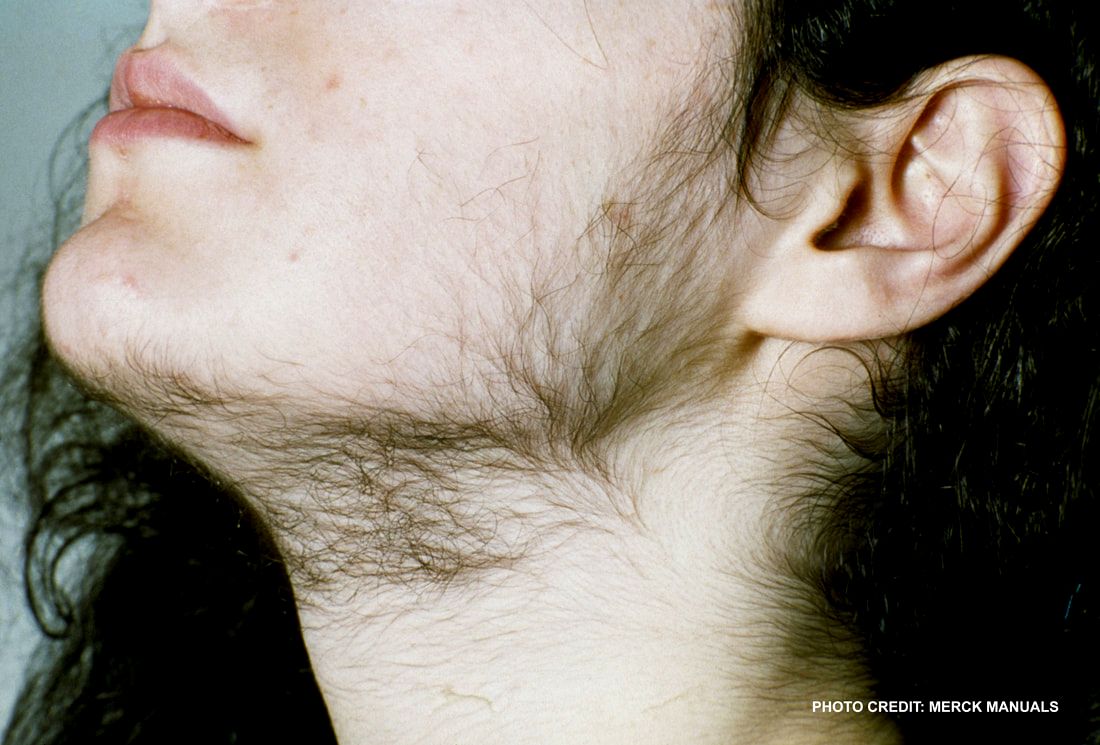
Hirsutism is the excessive hairiness on women on parts of the body where hair normally is absent or minimal, such as beard or chest hair.
Polycystic Ovarian Syndrome (PCOS) is one of the most common hormonal disorders in women of reproductive age. It affects approximately six to 20% of women in this age group, which varies by type of criteria used.
PCOS is a combination of androgen (male hormones particularly testosterone) excess and ovarian dysfunction in women. Symptoms Common symptoms include irregular or no menstruation, subfertility, acne and hirsutism (excessive male-pattern terminal hair growth at the facial, upper arm, chest, below umbilicus and inner thigh areas). “A typical feature of insulin resistance is the presence of dark, thickened skin around the neck, groin and in the skinfolds of the armpits. To date, there are three well-standardised diagnostic criteria for PCOS. Other causes of androgen excess need to be excluded before a PCOS diagnosis is made,” explained Dr Lee Ling Lim, senior lecturer and consultant Endocrinologist, Faculty of Medicine, University of Malaya. The clinical presentation of PCOS is heterogenous. Once a woman is diagnosed, she is classified into either subtype:
Cause The exact cause of PCOS is largely unknown. However, accumulating evidence indicates that it is a complex disorder with influences from both genetic and environmental factors. The latter includes diet rich in carbohydrates or saturated fat, sedentary lifestyle, smoking, alcohol consumption and pollution. Under normal circumstances, androgen is released from the ovaries and adrenal glands in healthy women. PCOS occurs when there is excess release of androgen from these organs, which results in insulin resistance and long-term health consequences. Complications PCOS is associated with a number of metabolic complications such as type 2 diabetes, high blood pressure, high cholesterol and excessive weight gain particularly abdominal fat. These further increases the future risks of stroke, obstructive sleep apnea, heart and kidney diseases. In addition, PCOS is associated with mood disorders particularly depression and anxiety and endometrial cancer. Given that these women are of reproductive age, the presence of PCOS also puts them at risk of developing complications during pregnancy such as diabetes in pregnancy [gestational diabetes], preterm delivery, high blood pressure in pregnancy which can lead to poor maternal and fetal outcomes. Treatment Treatment of PCOS is symptom-oriented and needs to adapt to personal needs. No drugs are currently approved specifically for PCOS. Birth control pills containing an antiandrogenic or neutral progestins can help to reduce the production and release of androgen from ovaries. They can also increase the sex-hormones binding globulin level, leading to a decrease in free androgen level in the blood. It is the first line management for hirsutism/acne and irregular menstruation of PCOS. Regular screening for complications include blood sugar test, cholesterol test, blood pressure monitoring, BMI and waist measurements, history of depression and anxiety and history of obstructive sleep apnea. |

- IN THE SPOTLIGHT
-
HEALTH CONDITIONS
- ANTIMICROBIAL RESISTANCE
- ARTHRITIS
- ASTHMA
- BACK PAIN
- BRAIN DISORDERS
- BREAST CANCER
- CANCER
- CARDIOVASCULAR DISEASE
- CERVICAL CANCER
- CORONAVIRUS DISEASE (COVID-19)
- DEMENTIA
- DENGUE
- DENTAL PROBLEMS
- DIABETES
- DRUG ABUSE
- EAR, NOSE AND THROAT
- ECZEMA
- EPILEPSY
- EYE
- FIBROIDS
- GASTROINTESTINAL DISEASES
- GOUT
- INFLUENZA (FLU)
- HEADACHES & MIGRAINES
- HEPATITIS
- HIV & AIDS
- JOINT PAIN
- KIDNEY DISEASE
- LUNG CANCER
- LUPUS
- MELASMA
- MENTAL HEALTH
- MOUTH-AND-TEETH
- OBESITY
- OSTEOPOROSIS
- OVARIAN DYSFUNCTION: UNDERSTANDING PREMATURE OVARIAN FAILURE, POLYCYSTIC OVARY DISEASE AND INFERTILITY
- SEXUAL & REPRODUCTIVE HEALTH
- SKIN CONDITIONS
- SLEEP
- STROKE
- DISABILITIES & SPECIAL ABILITIES
- PALLIATIVE CARE
- NURSING RESOURCES
- DIGITAL HEALTH
- HEALTH PRODUCTS & SERVICES
- RELATIONSHIPS
- FAMILY HEALTH & PARENTING
- EMPOWERING WOMEN
- MEN'S WELLNESS
- GOLDEN YEARS
- ACTIVE LIFE HUB
- NUTRITION
- COMPLIMENTARY MEDICINE
- HUMANITARIAN & COMMUNITY HEALTH
- AMBULANCE AND FIRST AID GUIDE
- Community clinics/ Klinik Komuniti
- Government Dental Clinics / Klinik Pergigian Kerajaan
- ABOUT US