Does having a Persons with Disability (PWD) card make you invisible to the law?
February 26, 2025
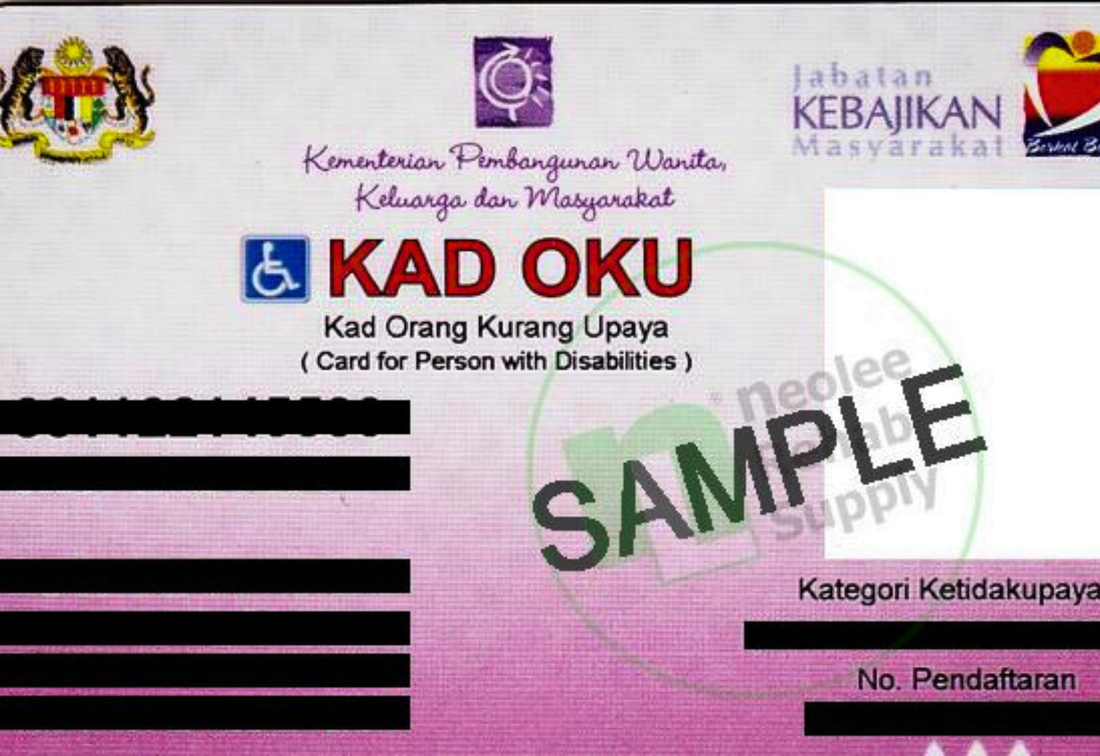
Holding an OKU card or having a mental health condition does not equate to automatic immunity from the law. Legal procedures, psychiatric evaluations, and rehabilitation processes are in place to ensure justice while prioritizing rehabilitation over punishment.
The perception that individuals holding a Persons with Disability (PWD) card, or OKU (Orang Kurang Upaya) card, can evade legal consequences is a misconception that needs to be addressed. Dr Suri Charles, a licensed and registered Child Custody Evaluator and Guardian ad Litem with International Social Services, recently highlighted this issue in her Facebook post on February 23. She emphasized that possessing an OKU card does not grant immunity from the law.
“Lately, I’ve seen many comments saying how 'easy' it is to escape legal consequences just by having an OKU card or a mental health diagnosis. Some even joke about applying for one just to become 'invisible' to the law. An OKU card is not a free pass to commit crimes,” she stated. Facts about juvenile justice & neurodivergence Understanding the legal framework surrounding juvenile justice and neurodivergence is crucial. The following points outline key legal facts: Age of criminal responsibility
Juvenile justice system
Consideration for neurodivergent children
Possible legal consequences If found guilty, the court may:
Child protection & welfare
In conclusion, holding an OKU card or having a mental health condition does not equate to automatic immunity from the law. Legal procedures, psychiatric evaluations, and rehabilitation processes are in place to ensure justice while prioritizing rehabilitation over punishment. It is essential to recognize that offenders do not simply "walk free." Stigmatizing individuals with disabilities only exacerbates the challenges they already face. Education and awareness are key to fostering understanding and compassion in our society. |
EXPLORE FURTHER

|
7 Types of disabilities you should be aware ofPromoting awareness and challenging misconceptions
|

|
The urgent need for inclusivity in healthcare for persons with disabilitiesHow technology and community awareness can transform lives
|