Gnius App helps children break learning plateaus with personalized guidanceApril 21, 2026

A student accesses the Gnius application on her tablet.
For many parents, supporting a child’s education often comes with daily logistical challenges—long drives to tuition centers, searching for parking, coordinating schedules, and ensuring children are in a safe and focused learning environment. Now imagine a different scenario: children learning effectively from home while parents gain clearer insight into how they study, where they struggle, and what helps them improve.
Through an integrated learning dashboard, parents and teachers are able to observe a child’s behavioral learning patterns—how they interact with lessons, which subjects they respond to more easily, and the style of learning that suits them best. Some students grasp concepts more quickly through visual, image-driven explanations, while others prefer detailed verbal guidance or structured notes. By analyzing these interactions, the system provides valuable insights into how each child absorbs information most effectively. These insights make it easier to identify areas where students may be falling behind. Instead of guessing where help is needed, parents and teachers can provide more focused guidance, helping children strengthen their understanding and build confidence in their studies. At the same time, learning is not viewed only through the lens of examinations. The system also compares what students are studying today with the evolving needs of the job market. By highlighting which skills and certifications are becoming more relevant, students gain early awareness of how their education may connect with future opportunities—helping them remain adaptable in an increasingly dynamic workforce. A technology-driven education platform Gnius Sdn Bhd developed Gnius as a digital learning platform designed to combine high-quality educational content with technology at an extremely affordable price point. The platform aims to reshape the education landscape in Malaysia by making learning resources more accessible while maintaining strong academic quality. Since its launch on November 5, 2024, the app has registered approximately 14,000 students. These students range from Standard 1 to Form 5 and include learners from both national and vernacular schools. Students from national schools follow Malay-medium curricula, while those from vernacular schools study in Mandarin or Tamil. The platform incorporates learning materials for SJKC and SJKT streams, making it unique among digital education platforms in Malaysia. For upper secondary students in Form 4 and Form 5, the platform provides access to 16 subjects. These include Pendidikan Islam, Accounts, Mandarin, and Pendidikan Moral, among others. 
(4th from left) The Sultan of Pahang, Al-Sultan Abdullah Ri’ayatuddin Al-Mustafa Billah Shah, graciously launched the Gnius platform at Grand Darul Makmur Hotel, Pahang. On his right is Raja Yusuf Jamalullail Raja Dato’ Sri Mufik Affandi, while (2nd from left) is Tengku Panglima Raja Colonel Tengku Amir Nasser Ibrahim Shah.
Choice of teachers to suit learning preferences
Apart from the wide range of subjects available, students are also able to select teachers whose teaching styles align with their learning preferences. Different students absorb information in different ways. Some may prefer teachers who focus on step-by-step explanations, while others may find visual demonstrations or structured notes more effective. The platform accommodates these differences by allowing students to choose teachers whose delivery style resonates most with them. This flexibility allows students to approach learning in a way that suits their individual needs. Dual language learning and structured content Another feature that distinguishes the platform is its dual-language capability. Lessons are available in both English and Bahasa Melayu, making the platform more inclusive for students across different education streams. While much educational content can be found online, including on video platforms such as YouTube, the key difference lies in how the learning materials are structured and organized. On Gnius, lessons are categorized clearly according to topics. Students are able to navigate through subjects systematically rather than searching randomly for information. Each topic is also supported with short learning videos and quizzes at the end of the lesson. These quizzes help students immediately test their understanding of the material. For SPM candidates, the platform also includes trial examination questions. In addition to the questions themselves, there are video explanations where teachers guide students through the steps needed to answer them correctly. How G’nius differs from other online platforms “When we talk about online education, many platforms simply digitalize learning,” explains Raja Yusuf Jamalullail Raja Dato’ Sri Mufik Affandi, Director of Gnius Sdn Bhd. He notes that digitalization often means transferring traditional classroom teaching into an online format. Lessons become accessible digitally, but the approach itself remains largely unchanged. “Teaching becomes available online, but that is still somewhat a traditional method of digitalizing education,” he explains. What Gnius attempts to do differently is to democratize access to learning. The platform focuses on providing premium content and technology while keeping the cost extremely affordable. According to Raja Yusuf, premium services do not necessarily need to be expensive. “We aim to utilize technology to bridge the gap between low-income and high-income communities while helping to break the cycle of poverty,” he says. Monitoring student progress through data Another major focus of the platform is monitoring and guidance. When the development team engaged with rural communities, they observed that many students were intelligent and capable but lacked clear direction. Students were often unsure about how to study effectively, what topics to focus on, or how to plan their academic future. The platform addresses this issue by making monitoring tools simple and accessible for parents, teachers, and administrators. For example, education administrators overseeing several schools can view live performance data across multiple institutions. By clicking on a particular school within the dashboard, administrators can see how that school is performing overall. From there, they can examine performance levels across different forms. Further analysis allows them to review the performance of each subject within a form. Administrators can even identify which students contribute to the average score for a particular subject. This level of detail provides accurate insights into why a specific school or group of students may be struggling. Identifying students who need support Through the dashboard, students who may be at risk of failing can also be identified. Administrators are able to zoom in on the subjects where a student is experiencing difficulties. This makes monitoring and intervention much simpler. By identifying the precise area of difficulty, educators can implement targeted solutions rather than applying broad approaches that may not address the root problem. This ability to diagnose challenges and respond accordingly is another feature that distinguishes the platform from other digital learning competitors. Designing a platform that fits users One of the primary goals during development was to ensure that the platform remained usable for everyone. While many platforms are technically functional, usability often depends on how well a system fits into the daily processes of its users. Rather than expecting users to adapt to the platform, the development team focused on adjusting the platform to suit the needs of its users. When the platform first launched, there was uncertainty about how well it would align with user habits. “We kept engaging with users and asking whether the platform worked for them,” Raja Yusuf explains. In some cases, features that seemed logical during development turned out to be unnecessarily complex during real-world use. Feedback from users led to several adjustments, particularly in how dashboard information was presented. Many users preferred to see key information in a single overview rather than navigating through multiple layers of menus. Behavioral analysis and personalized learning Another refinement involved the development of a behavioral analysis system. As students interact with the platform, data is collected on how they study, how they engage with lessons, and how they perform in assessments. This information allows correlations to be made between learning behavior and academic outcomes. For example, certain learning profiles may show stronger performance in science subjects, while others may excel in different academic areas. Based on these patterns, the system can recommend suitable learning approaches for each student. Parents and teachers can also gain insights into whether a student responds better to visual explanations, detailed lectures, or written notes. Creating structure for independent learning Another key objective of the platform is to teach students how to manage their own learning. When students study independently, it is common for them to feel lost or unsure about where to begin. Without structure, students may struggle to identify which topics require the most attention or why their academic results are declining. The platform addresses this challenge by providing a structured learning process. Through the dashboard, students can clearly see which subjects require improvement and where they should focus their efforts. By breaking down complex problems into manageable steps, students are encouraged to analyze their struggles and work toward solutions. Learning through feedback and persistence The learning process on the platform follows a simple cycle. Students watch instructional videos, complete quizzes, and receive feedback on their performance. If a student receives a low score—such as 30 percent in mathematics—the system provides feedback highlighting the topics that require further review. Students can then revisit the relevant lessons and attempt the quizzes again. With repeated practice and consistent effort, students are able to see gradual improvements in their scores. This process reinforces the idea that persistence and consistency can lead to better academic outcomes. For many students, this feedback loop also builds confidence. It demonstrates that challenges can be addressed through structured effort rather than being viewed as permanent setbacks. 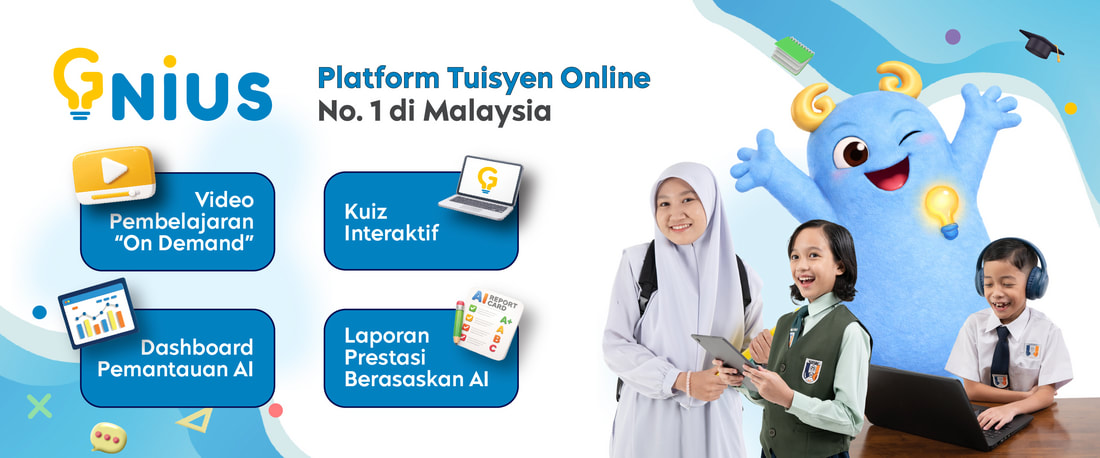
Preparing students for changing career demands
Beyond academic performance, the platform also aims to provide insights into future career trends. The job market continues to evolve rapidly, and the relevance of certain fields may shift over time. Students may spend years studying a particular discipline without knowing whether it will remain in demand in the future. To address this uncertainty, the platform aims to bridge the gap between education and employment trends. The long-term goal is for the system to provide information about whether the skills students are learning today are aligned with market demand. If demand begins shifting away from a particular skill, the platform could also suggest alternative competencies or certifications that students may wish to pursue. Corporate social responsibility (CSR) initiatives Beyond its commercial services, the platform is also made available to underserved students through fundraising initiatives. In these cases, students are able to access the platform free of charge. The initiative reflects the organization’s aim to operate as a social enterprise, focusing on solving educational challenges while maintaining sustainable operations. “Our goal is to address issues within the national education landscape,” Raja Yusuf explains. Rather than charging high subscription fees, the focus is on leveraging technology to solve real problems in education. Current CSR initiatives involve collaboration with zakat bodies, corporate CSR programs, foundations, and organizations responsible for supporting disadvantaged students. These partnerships are expected to continue throughout the remainder of 2026 and into the coming years. Feedback from zakat institutions has been positive. Traditionally, assistance programs often focused on providing tangible items such as school bags, books, or stationery. However, digital learning access offers a different form of support—one that directly strengthens knowledge and skills. Both students and parents have responded well to this approach. Expanding reach across Malaysia The platform initially began operations in Pahang. Since then, its presence has expanded to several other regions, including Kelantan, Terengganu, Kuala Lumpur, Selangor, and Sabah. Expansion efforts are now moving into Penang as the organization focuses on increasing adoption. According to Raja Yusuf, the immediate focus remains on strengthening user adoption and refining the financial model. From 2028 onwards, the emphasis will shift toward larger-scale expansion. Once the balance between adoption and financial sustainability has been achieved, further investments may be directed toward developing new learning tools for higher education and workforce development. |
EXPLORE FURTHER

|
Stunting begins in womb amid maternal nutritional deprivationLow-protein, micronutrient-poor diets undermine a child’s lifelong growth and cognition
|

|
Survey reveals Malaysians struggle with legacy preservation as family succession lagsIndependence drives reluctance among nearly 60% of next-generation family business heirs
|

|
TikTok, Content Forum, MCMC join forces to launch #ThinkTwice Parental AdvisoryA practical guide to supervising, customizing, and connecting for your teen's online safety
|

|
Giving children a voice: Why autonomy matters in parenting todayAre we giving children the freedom to decide, express, and learn from missteps?
|

|
When hope is lost: Miscarriage, the hidden grief and emotional toll on womenThe physical impact of miscarriage and the importance of timely follow-up for healing and future pregnancy planning
|

|
Preeclampsia: Severe complications every pregnant woman should knowDiabetes, high blood pressure, and kidney disease heighten risks during pregnancy
|

|
Why are so many workplaces still failing breastfeeding mothers?How emotional support and workplace policies can strengthen breastfeeding journeys
|

|
Screen time vs. play time: The battle shaping children’s eye healthExperts urge limited screen time—none before age three
|

|
Postpartum hemorrhage: A preventable cause of maternal deathMaternal obesity heightens the risk of postpartum hemorrhage
|

|
Chickenpox in children aged 3 to 6 yearsA guide for parents on symptoms, management, and prevention
|

|
A parent's guide to hearing loss in young kidsDisparities in access to hearing screening may result in hearing loss going undetected
|

|
Tackling tummy troubles: Managing functional constipation in childrenHow stress, poor diet, milk intolerance, and rushed potty training trigger functional constipation
|

|
Are all baby skin care products truly safe to use?Ingredients that can cause dryness and allergies in baby’s skin
|

|
Food allergies in children can be life threateningDoes a food diary really help?
|

|
Japan's ultimate gaming bed: Balancing entertainment and real-life for teensWhat are its impact on teenagers?
|

|
When teens speak about the opposite sex: How parents can respondGuidance for discussing opposite sex with teen without judgment
|

|
Disturbing trend on TikTok: Cracking eggs on children's foreheads for entertainmentDelicate balance between entertainment and children's emotional well-being
|

|
The ultimate hospital bag checklist for mom and babyA significant step towards a stress-free birthing experience
|

|
Ultrasound to detect abnormalities in pregnancyDetecting abnormalities during different stages of fetal development.
|

|
Postpartum hernia: A common occurrence following a C-sectionPelvic floor exercises during pregnancy
|

|
Should you swaddle your baby?We might think that it is actually uncomfortable, because we ourselves do not want to be that way
|

|
Sudden Infant Death Syndrome (SIDS): Causes, safe sleeping practices, and co-sleeping concernsCot death or crib death
|

|
Do you have enough milk to breastfeed your baby?A good latch increases milk supply
|

|
Butterfly children with skin as fragile as a butterflyEpidermolysis Bullosa causes the skin to blister - becoming fragile even at the slightest touch
|

|
Thumb sucking and pacifier use in children affects the bite says dentistThumb sucking causes the teeth to proclinate outwards
|

|
Liquids with natural sugars linked with baby bottle tooth decayChildren who suck on pacifiers dipped in sugar or syrup are equally at risk.
|

|
Debunking myths and reinforcing facts on vaccinationPerak, Terengganu and Pahang record highest number of anti-vaxxers
|

|
Is it ADHD or other developmental disorders?When one toy may not be enough
|

|
Food allergies in children can be life threateningDoes a food diary really help?
|

|
Paracetamol use in childrenToo much paracetamol can cause liver problems
|

|
Guide to winning your child's tantrums on your next road tripFive tips to ace your vacation
|

|
Is my child too short?How do you determine if your child is growing well?
|

|
Identifying Hand-Foot-And-Mouth disease in your childA contagious disease that spreads through touch, saliva and stool
|

|
Breastfeeding as a natural cure for jaundice?Breastfeeding babies lose jaundice in the third week.
|

|
Hemorrhagic disease of the newborn (HDN) as a result of Vitamin K deficiencyBleeding in infancy develops in the first days and weeks of life
|

|
What parents need to know about the 6-in-1 vaccine under the National Immunisation Program for infants and children |

|
Coronavirus: Babies vaccine schedule should not be delayedAre clinics safe? Is there a risk of catching the disease from the attending nurse or doctor?
|

|
Partner participation helps mother breastfeed longer, says studySupport helps mothers breastfeed longer
|

|
The art of babywearing: A guide to safe and convenient parentingBabywearing can be a game-changer, offering hands-free parenting
|

|
Teaching children swimming at a young age: Yay or Nay?Swimming brings lifelong benefits to children and imbue in them essential life skills.
|

|
Squint treatment for children: A life-changing experienceChildren with reduced vision may have delayed developmental milestones
|

|
Family travels over 400km to treat 11-month old son with congenital heart defectTests confirmed that he was born with two holes in his heart.
|

|
Managing scoliosis - torsional deformity of the spine in the youngIdiopathic scoliosis is more apparent during an adolescent’s growth spurt
|

|
Your developing child - How milestones play an important roleEarly experiences can influence lifelong learning and health.
|