Haze alert: Shielding children's vulnerable lungs from PM2.5
October 7, 2026

Parents should monitor readings through the official Malaysian Air Pollutant Index Management System portal and reduce non-essential outdoor activities when air quality becomes unhealthy or continues to worsen.
When haze returns, public attention naturally turns to the Air Pollutant Index (API). We monitor whether readings are moderate, unhealthy or hazardous and use them to decide when outdoor activities should be reduced or schools may need to close.
These readings are essential, but children may respond differently depending on their age, health, physical activity and environment. Protecting them therefore requires more than watching the numbers. Families and schools must also recognize individual vulnerabilities, respond to early symptoms and prepare before conditions become severe. Haze can disrupt health and learning Haze may cause coughing, nasal congestion, headaches, fatigue and breathing difficulties. Even relatively mild symptoms can affect a student’s concentration, classroom participation and attendance. Children are particularly vulnerable because their lungs and immune systems are still developing. They also inhale more air relative to their body weight, with physical exertion further increasing their exposure to PM2.5, fine particulate matter that can penetrate deep into the lungs. Those with asthma, allergies, eczema, chronic respiratory disease or heart conditions face greater risks and may experience worsening symptoms even when their peers appear unaffected. The effects are not only physical. Missing sports and social activities, spending prolonged periods indoors and worrying about worsening symptoms may also affect children’s emotional wellbeing. Haze preparedness must therefore protect their learning and daily routines, not only prevent medical emergencies. Preparedness should reflect individual needs Parents should monitor readings through the official Malaysian Air Pollutant Index Management System portal and reduce non-essential outdoor activities when air quality becomes unhealthy or continues to worsen. Children should never be encouraged to “push through” coughing, wheezing, chest tightness or breathing difficulties to complete an outdoor activity. API readings should be considered alongside a child’s health and symptoms. Children with asthma or other chronic conditions may need to reduce exposure earlier and should follow advice from their healthcare provider. At home, windows and doors should be kept closed where appropriate. Air purifiers fitted with high-efficiency particulate air (HEPA) filters may help improve indoor air quality. Families should also avoid smoking, burning incense and other activities that generate fine particles indoors. When children need to go outdoors, a well-fitted N95 or KN95 mask may offer better protection from fine particles than cloth or surgical masks. The mask should fit securely around the face to provide effective protection. Schools play a vital role Schools are encouraged to have clear haze-response plans covering API monitoring, timely communication with families and adjustments to activities, in line with Malaysia’s National Haze Action Plan. Physical education, sports, field trips and outdoor assemblies should be moved indoors or postponed when necessary. Schools should also identify students with chronic health conditions and ensure they can access prescribed medication and appropriate support. Maintaining cleaner indoor environments is equally important. Classrooms should minimize the entry of polluted outdoor air by using suitable filtration where available. Academic accommodations or home-based learning may be considered when symptoms affect attendance or prolonged haze disrupts normal school operations. Recognizing when medical help is needed Medical advice should be sought if symptoms persist, worsen or interfere with normal activities. Children with asthma, chronic lung disease, heart conditions or significant allergies require particularly close monitoring. Urgent medical attention is needed for severe breathing difficulty, significant chest pain, marked wheezing, bluish discolouration around the lips, fingernails or face, unusual drowsiness, confusion or rapidly worsening symptoms. Preparedness cannot be an afterthought once a child begins struggling to breathe. By acting early and responding to individual needs, families, schools and healthcare providers can reduce the effects of haze on children’s health, learning and wellbeing. |

EXPLORE FURTHER

|
A healthy breastfeeding journey begins during pregnancy, not deliveryPregnancy education prepares mothers for breastfeeding and postpartum challenges after birth
|

|
Pregnant mums’ Tdap vaccine protects babies from deadly coughRecommended for each pregnancy at 28–32 weeks gestation
|
|
Stunting begins in womb amid maternal nutritional deprivationLow-protein, micronutrient-poor diets undermine a child’s lifelong growth and cognition
|

|
Survey reveals Malaysians struggle with legacy preservation as family succession lagsIndependence drives reluctance among nearly 60% of next-generation family business heirs
|

|
TikTok, Content Forum, MCMC join forces to launch #ThinkTwice Parental AdvisoryA practical guide to supervising, customizing, and connecting for your teen's online safety
|

|
Giving children a voice: Why autonomy matters in parenting todayAre we giving children the freedom to decide, express, and learn from missteps?
|

|
When hope is lost: Miscarriage, the hidden grief and emotional toll on womenThe physical impact of miscarriage and the importance of timely follow-up for healing and future pregnancy planning
|

|
Preeclampsia: Severe complications every pregnant woman should knowDiabetes, high blood pressure, and kidney disease heighten risks during pregnancy
|

|
Why are so many workplaces still failing breastfeeding mothers?How emotional support and workplace policies can strengthen breastfeeding journeys
|

|
Screen time vs. play time: The battle shaping children’s eye healthExperts urge limited screen time—none before age three
|

|
Postpartum hemorrhage: A preventable cause of maternal deathMaternal obesity heightens the risk of postpartum hemorrhage
|
|
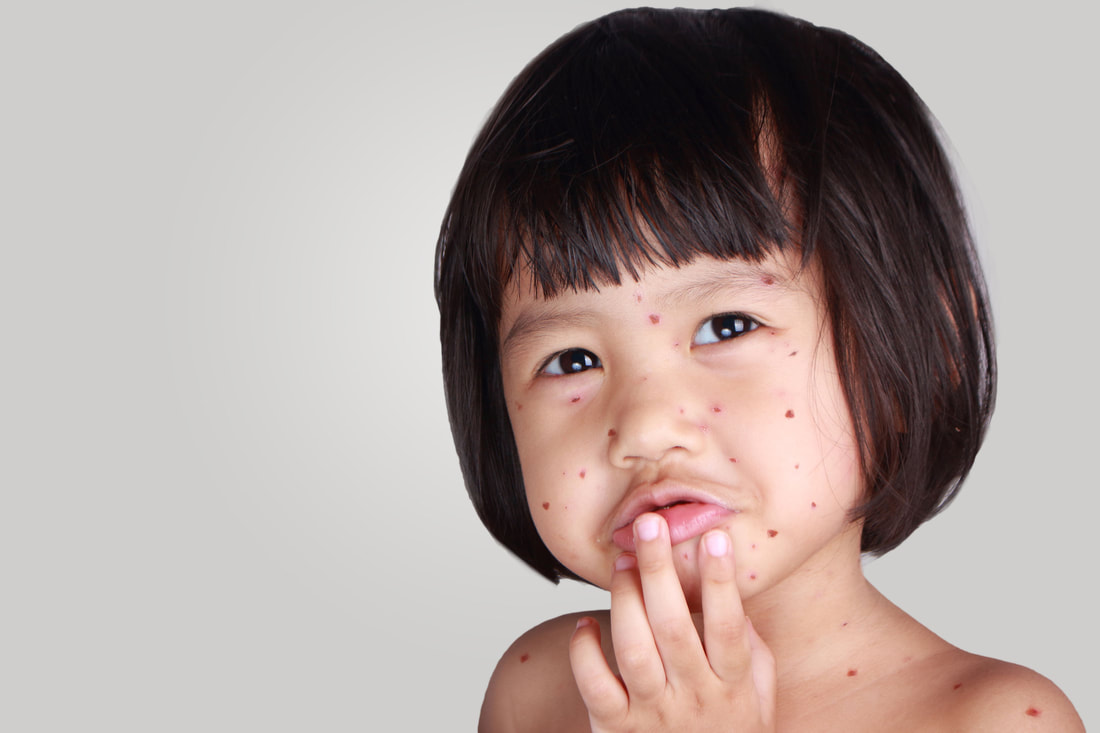
Chickenpox in children aged 3 to 6 yearsA guide for parents on symptoms, management, and prevention
|
|
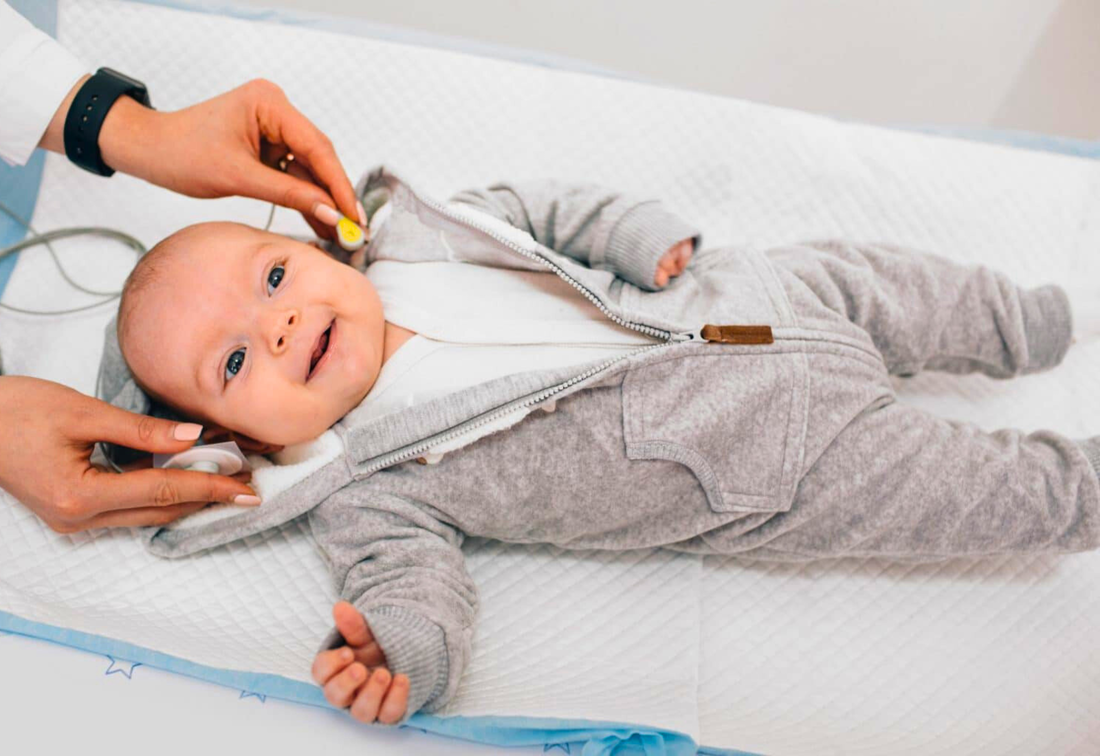
A parent's guide to hearing loss in young kidsDisparities in access to hearing screening may result in hearing loss going undetected
|

|
Tackling tummy troubles: Managing functional constipation in childrenHow stress, poor diet, milk intolerance, and rushed potty training trigger functional constipation
|
|
Are all baby skin care products truly safe to use?Ingredients that can cause dryness and allergies in baby’s skin
|

|
Food allergies in children can be life threateningDoes a food diary really help?
|

|
Japan's ultimate gaming bed: Balancing entertainment and real-life for teensWhat are its impact on teenagers?
|

|
When teens speak about the opposite sex: How parents can respondGuidance for discussing opposite sex with teen without judgment
|

|
Disturbing trend on TikTok: Cracking eggs on children's foreheads for entertainmentDelicate balance between entertainment and children's emotional well-being
|

|
The ultimate hospital bag checklist for mom and babyA significant step towards a stress-free birthing experience
|

|
Ultrasound to detect abnormalities in pregnancyDetecting abnormalities during different stages of fetal development.
|

|
Postpartum hernia: A common occurrence following a C-sectionPelvic floor exercises during pregnancy
|

|
Should you swaddle your baby?We might think that it is actually uncomfortable, because we ourselves do not want to be that way
|
|
Sudden Infant Death Syndrome (SIDS): Causes, safe sleeping practices, and co-sleeping concernsCot death or crib death
|

|
Do you have enough milk to breastfeed your baby?A good latch increases milk supply
|
|
Butterfly children with skin as fragile as a butterflyEpidermolysis Bullosa causes the skin to blister - becoming fragile even at the slightest touch
|

|
Thumb sucking and pacifier use in children affects the bite says dentistThumb sucking causes the teeth to proclinate outwards
|

|
Liquids with natural sugars linked with baby bottle tooth decayChildren who suck on pacifiers dipped in sugar or syrup are equally at risk.
|
|
Debunking myths and reinforcing facts on vaccinationPerak, Terengganu and Pahang record highest number of anti-vaxxers
|

|
Is it ADHD or other developmental disorders?When one toy may not be enough
|

|
Food allergies in children can be life threateningDoes a food diary really help?
|
|
Paracetamol use in childrenToo much paracetamol can cause liver problems
|

|
Guide to winning your child's tantrums on your next road tripFive tips to ace your vacation
|

|
Is my child too short?How do you determine if your child is growing well?
|
|
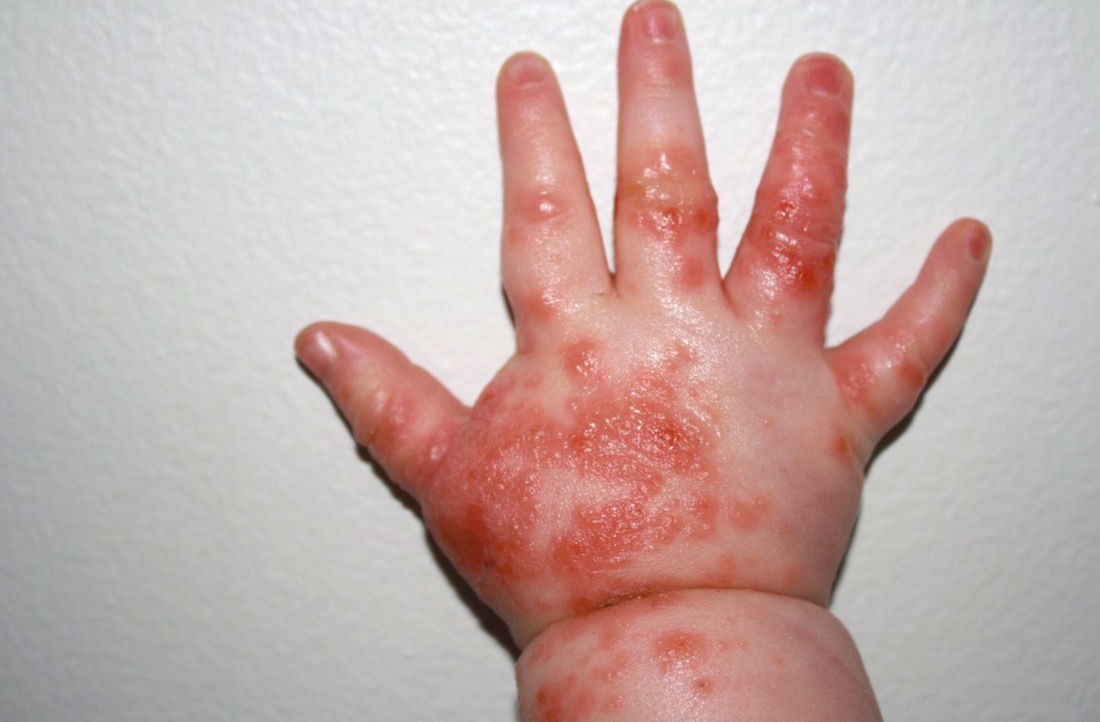
Identifying Hand-Foot-And-Mouth disease in your childA contagious disease that spreads through touch, saliva and stool
|

|
Breastfeeding as a natural cure for jaundice?Breastfeeding babies lose jaundice in the third week.
|

|
Hemorrhagic disease of the newborn (HDN) as a result of Vitamin K deficiencyBleeding in infancy develops in the first days and weeks of life
|

|
What parents need to know about the 6-in-1 vaccine under the National Immunisation Program for infants and children |
|
Coronavirus: Babies vaccine schedule should not be delayedAre clinics safe? Is there a risk of catching the disease from the attending nurse or doctor?
|

|
Partner participation helps mother breastfeed longer, says studySupport helps mothers breastfeed longer
|
|
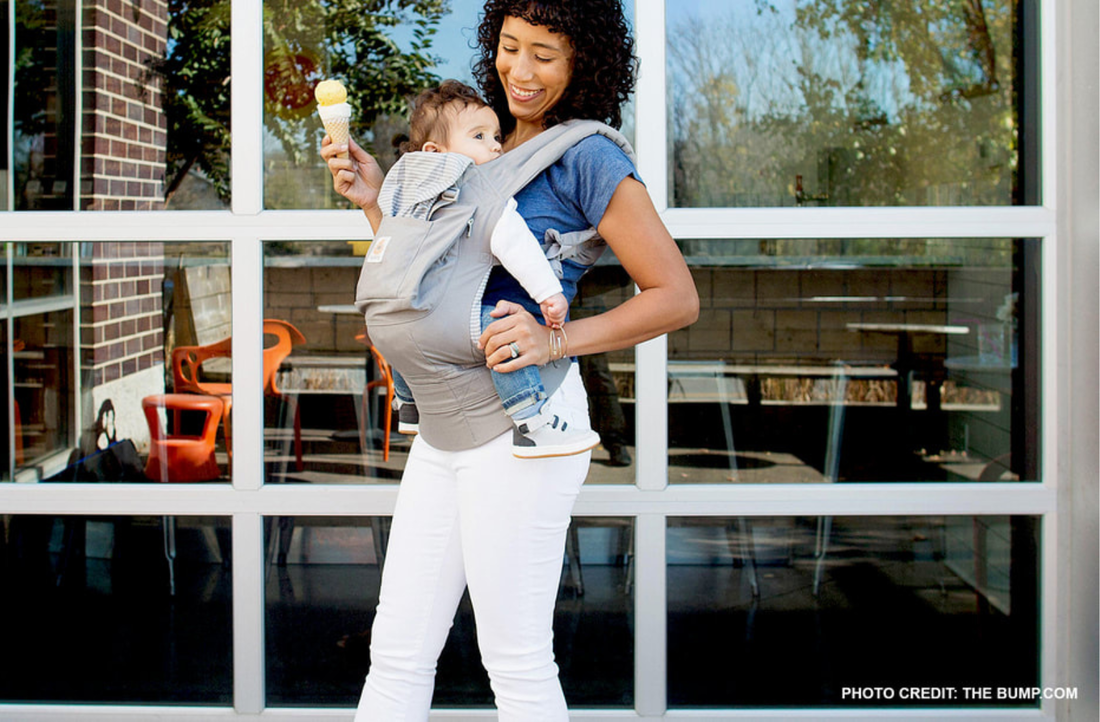
The art of babywearing: A guide to safe and convenient parentingBabywearing can be a game-changer, offering hands-free parenting
|

|
Teaching children swimming at a young age: Yay or Nay?Swimming brings lifelong benefits to children and imbue in them essential life skills.
|
|
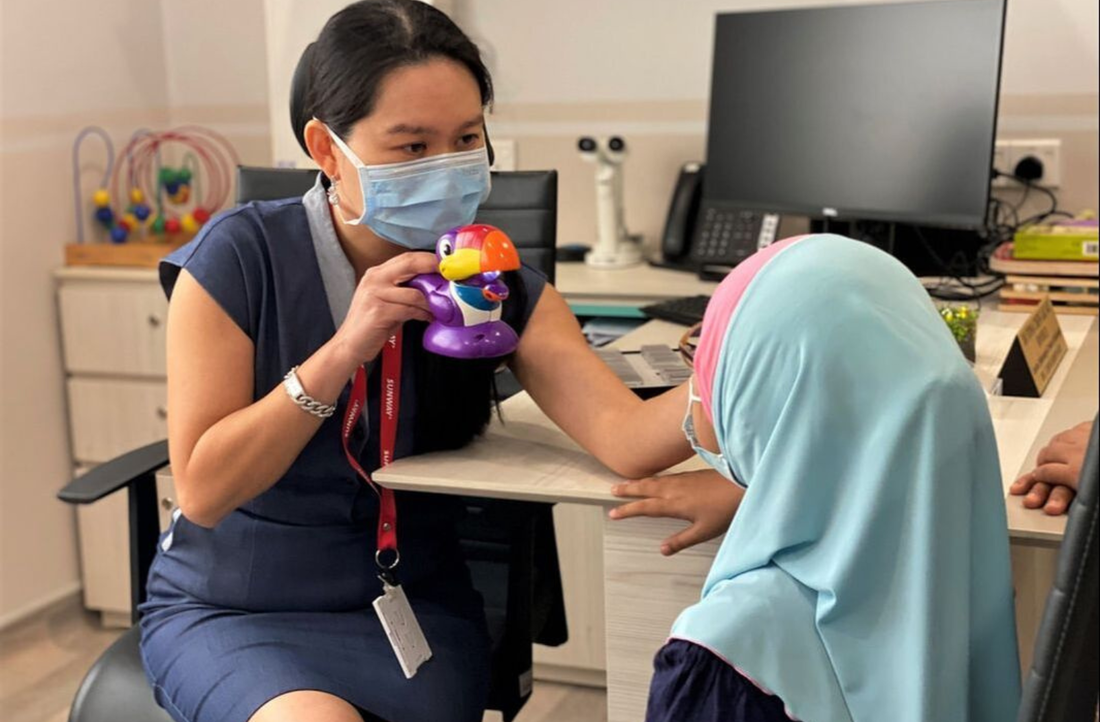
Squint treatment for children: A life-changing experienceChildren with reduced vision may have delayed developmental milestones
|

|
Family travels over 400km to treat 11-month old son with congenital heart defectTests confirmed that he was born with two holes in his heart.
|

|
Managing scoliosis - torsional deformity of the spine in the youngIdiopathic scoliosis is more apparent during an adolescent’s growth spurt
|

|
Your developing child - How milestones play an important roleEarly experiences can influence lifelong learning and health.
|