Malaysia receives second batch of Astrazeneca COVID-19 vaccine through COVAX
MAY 24, 2021 @ 8.47PM
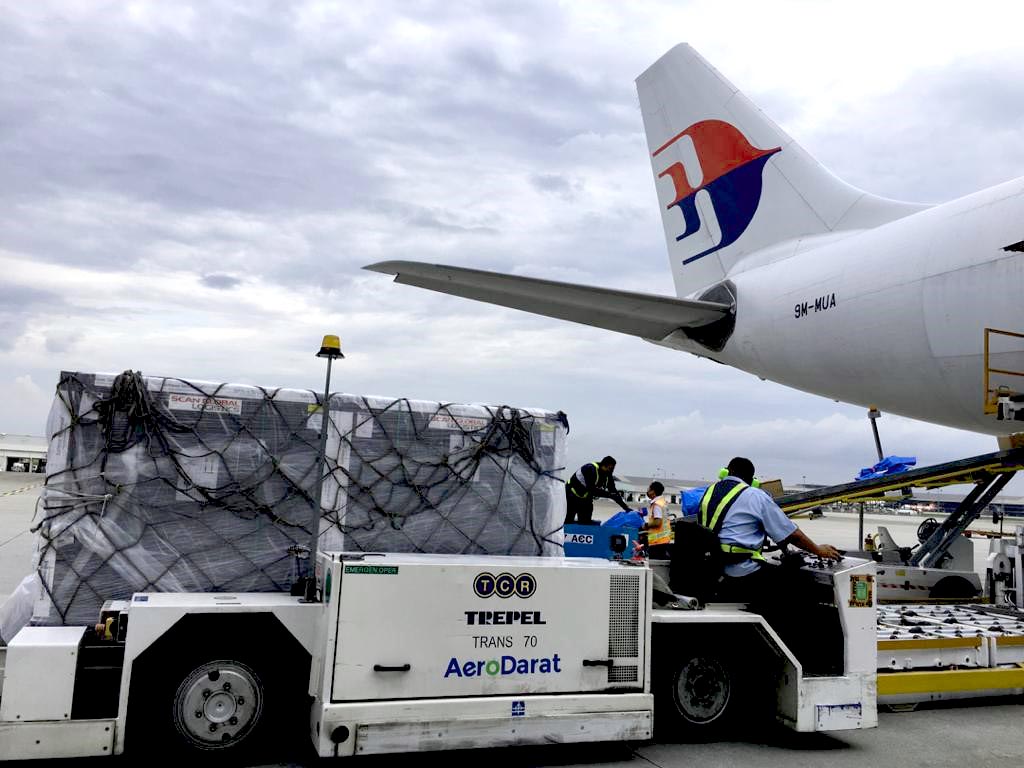
559,200 doses of the vaccine follows the first shipment of 268,800 doses already received in April.
The second batch of the AstraZeneca COVID-19 vaccine has been delivered through COVAX to Malaysia. The batch of 559,200 doses of the vaccine follows the first shipment of 268,800 doses already received in April. With the arrival of the second batch of doses, Malaysia has to-date received a total of 828,000 of the COVID-19 Vaccine AstraZeneca through the COVAX facility.
AstraZeneca is proud to be a partner to COVAX in enabling communities around the world to access the vaccine equitably as soon as possible. This partnership underscores AstraZeneca’s commitment to provide safe and effective vaccines at no profit during the pandemic and ensures COVID-19 vaccines are available worldwide to low and middle-income countries. The arrival of the second batch of COVID-19 vaccine marks AstraZeneca’s continuing support to the Malaysia’s National Immunisation Programme. Distribution of the vaccine follows the Emergency Use Listing in February by the World Health Organization for active immunisation in individuals 18 years of age and older, providing a vital and accelerated pathway to access. The doses have been allocated according to the COVAX Allocation Framework which determines volume per participating country based on several factors. AstraZeneca was the first global pharmaceutical company to join COVAX in June 2020 in line with the company’s shared commitment to global, equitable access to vaccines. Together with its license partner the Serum Institute of India, it is planned that hundreds of millions of doses of the AstraZeneca vaccine will be made available to 142 countries through COVAX, pending any supply and operational challenges. In this early phase of COVID-19 vaccine roll-out through COVAX, vaccine manufacturers require time to scale and optimise their production processes. AstraZeneca is working in adherence to the highest safety and quality standards and processes for product release in the context of a newly-established global COVAX supply and distribution network during a global pandemic, which is a complex and collaborative effort. While the supply of vaccine at pace and scale is not without challenges, AstraZeneca is committed to working these through with our partners to supply countries all around the world with effective, well-tolerated vaccine to help stem the pandemic. COVID-19 Vaccine AstraZeneca, formerly AZD1222 COVID-19 Vaccine AstraZeneca was co-invented by the University of Oxford and its spin-out company, Vaccitech. It uses a replication-deficient chimpanzee viral vector based on a weakened version of a common cold virus (adenovirus) that causes infections in chimpanzees and contains the genetic material of the SARS-CoV-2 virus spike protein. After vaccination, the surface spike protein is produced, priming the immune system to attack the SARS-CoV-2 virus if it later infects the body. The WHO EUL was based on pooled analysis for efficacy from 11,636 participants aged 18 years and older, accruing 131 symptomatic COVID-19 infections from the UK and Brazil Phase III trials conducted by Oxford University. Overall safety was based on an interim analysis of pooled data from four clinical trials conducted in the UK, Brazil and South Africa which included 23,745 participants aged 18 years or older. COVID-19 Vaccine AstraZeneca was well tolerated and there were no serious safety events confirmed related to the vaccine. The participants were from diverse ethnic and geographic groups who were healthy or had stable underlying medical conditions. In addition to the programme led by Oxford University, AstraZeneca is conducting a large trial in the US and globally. In total, Oxford University and AstraZeneca expect to enrol up to 60,000 participants globally. AstraZeneca’s COVID-19 vaccine has been granted a conditional marketing authorisation or emergency use in more than 50 countries, with the WHO EUL now accelerating the pathway to access in up to 145 countries through the COVAX Facility. |
EXPLORE FURTHER

|
Pharmacy cautions against self-medication and self-dosing of 'Ivermectin' to treat COVID-19No human use of Ivermectin is approved or registered in Malaysia
|

|
Could a single dose of the drug Ivermectin stop the SARS-COV-2 virus from growing?Ivermectin removed all viral RNA by 48 hours
|
|
The Malaysian response to Covid-19: Building preparedness for ‘surge capacity’, testing efficiency and containmentEarly coordination key to Malaysia's COVID-19 response success
|

|
Is it sinusitis or Covid-19?How COVID-19 symptoms differ from sinusitis: Key insights
|

|
Covid-19: The legal implications of patients' lack of honestyHow can we legally encourage patients to share critical information?
|

|
Road to recovery: Care after COVID-19Understanding post-acute Sequelae of SARS-CoV-2 infection in patients
|