Managing pain in non-cancer advanced illness and diseaseSeptember 9, 2026
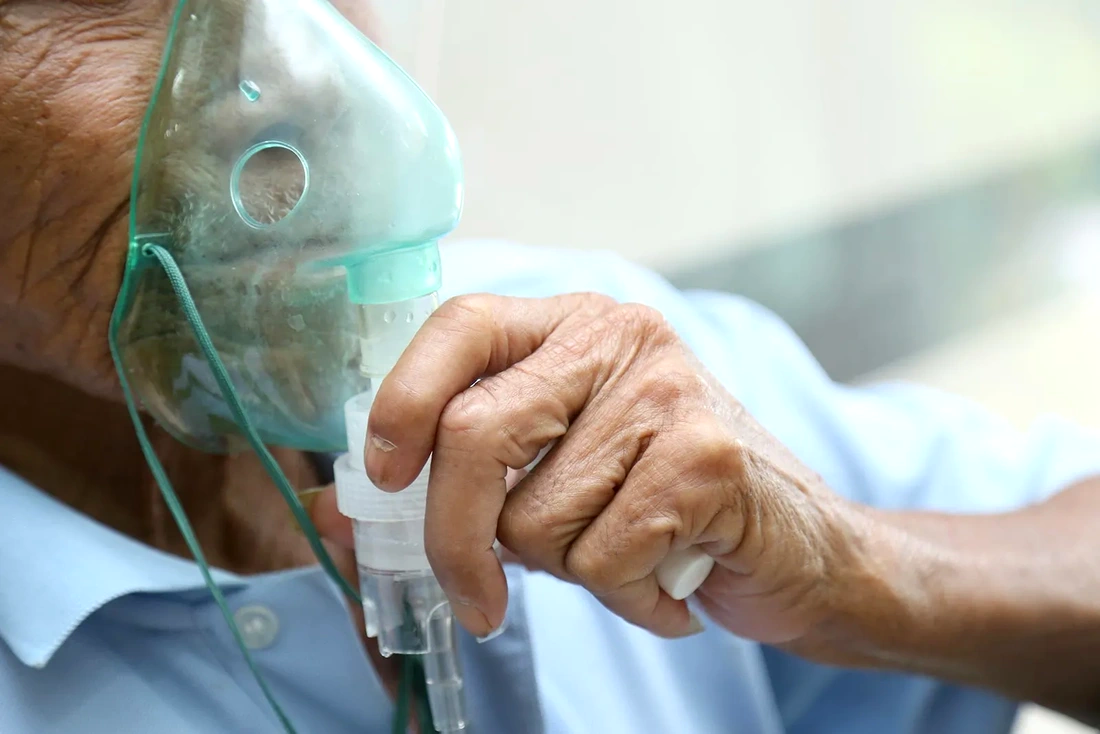
Evidence indicates that persistent pain is more common among people with COPD than among people of similar age and sex in the general population.
Pain is a complex experience defined as an unpleasant sensory and emotional experience associated with, or resembling actual or potential tissue damage.
Pain is a personal experience influenced to varying degrees by biological, psychological, and social factors. Pain and nociception are different phenomena, and pain cannot be inferred solely from activity in sensory neurons. Through their life experiences, individuals learn the concept of pain, and a person’s report of an experience as pain should be respected. Although pain usually serves an adaptive role, it may have adverse effects on function, as well as social and psychological well-being. The inability to speak or communicate does not mean that a person does not experience pain. Verbal communication is only one way pain may be expressed. Pain is highly subjective and lacks biomarkers. Addressing pain is important because it contributes significantly to disability and disease burden worldwide. “Imagine somebody with pain who needs a carer. It impacts significantly on the patient and caregiver’s quality of life. This person definitely will be on long-term medication, in and out of the hospital, which requires the carer to accompany the patient to the hospital. In addition, those who have pain have increased susceptibility to disease. Besides, when continuous medical care is required, the person experiences a period of not being able to work, there is loss of productivity and absenteeism, and at the same time, it increases healthcare cost,” explains Dr Nor Azizan Zakaria (picture below), Palliative Physician at Hospital Canselor Tuanku Muhriz and Sunway Medical Center Velocity, while presenting on “Non-cancer pain in advanced illness: Heart failure, COPD, and neurological conditions” at Sunway Medical Center, Sunway City’s 'Mastering pain in palliative medicine' symposium. 
Pain in advanced illness
Between 40% and 80% of patients with advanced progressive disease experience pain. Patients dying from heart failure or chronic obstructive pulmonary disease (COPD) suffer similar levels of pain compared with people with malignant disease. “The problem is there’s no specific guideline on how to manage pain. Most guidelines are for managing cancer pain. People who have advanced illness have more than one pain. So identifying and categorizing the pain is very important,” says Dr Nor Azizan. Categories of pain Pain can be divided into four categories:
Acute and chronic pain Most people with advanced illness tend to have chronic pain. Acute pain occurs suddenly. It may begin as sharp or intense pain and serves as a warning sign of disease or a threat to the body. Acute pain may result from injury, surgery, illness, trauma, or medical procedures. It can last from a few minutes to less than six months and usually disappears when the underlying cause is treated or healed. Chronic pain persists for months or even years. It continues beyond the usual recovery time from an injury or illness, despite the initial cause having been treated or no longer being present. Chronic pain can be constant or intermittent and often interferes with daily life, affecting physical and emotional well-being. Tools for assessing pain Several tools are available to assess pain, including tools for patients who are unable to communicate. Identifying the cause of pain is crucial, whether it is related to advanced illness, iatrogenic factors, or psychosocial issues. Pain should also be classified as acute or chronic and nociceptive or neuropathic to determine appropriate management. Pain assessment tools include:
The Visual Analog Scale is commonly used and has a scale from 0 to 10, with 0 representing no pain and 10 representing severe pain. The FLACC scale is a behavioral tool used to evaluate pain in infants, young children, and nonverbal individuals who cannot communicate what they are feeling. FLACC stands for Face, Legs, Activity, Cry, and Consolability. A caregiver or healthcare worker observes the patient for one to five minutes. Each category receives a score from 0 to 2, giving a total score ranging from 0 to 10. For small children, the CRIES Pain Scale is a 10-point tool used by medical teams to measure postoperative pain in newborns and infants from 32 weeks of gestation up to six months of age. For a thorough pain assessment, the Brief Pain Inventory or McGill Pain Questionnaire can be used to evaluate a person experiencing significant pain. A structured assessment is conducted to establish the onset, duration, severity, location, radiation, and characteristics of pain, as well as triggering and relieving factors, previous treatments, and physical and psychosocial issues. Multimodal management of pain Pain management involves a multimodal and multidisciplinary approach divided into four components: 1. Disease modification This includes treatments such as surgery, antibiotics, and radiotherapy. 2. Patient education Patients should receive information about their medications and potential side effects. Carers should also be informed about the medications and what to do if medication-related problems occur. Advice regarding medications can be obtained from the hospital, hospice, or nearest general practitioner. 3. Pharmacological management Several medications may be used according to the World Health Organization (WHO) analgesic ladder. 4. Non-pharmacological management Non-pharmacological approaches include physiotherapy, occupational therapy, spiritual support, transcutaneous electrical nerve stimulation (TENS), acupuncture, and massage therapy to help reduce pain. Pharmacological management of pain Currently, Malaysia does not have specific data on managing pain in chronic illness. “Most available data is related to cancer pain management. Basic principles can be extended to advanced non-malignant disease. The WHO analgesic ladder provides a framework for initiating and titrating analgesia. So we extended this one further from malignant disease management to non-malignant disease management,” says Dr Nor Azizan. In addition to Steps 1, 2, and 3 of the WHO analgesic ladder, Dr Nor Azizan points to a fourth step involving intervention by a pain specialist. Pain in chronic obstructive pulmonary disease (COPD) Evidence indicates that persistent pain is more common among people with COPD than among people of similar age and sex in the general population. Pain is associated with double the medical cost, poorer quality of life, increased breathlessness, fatigue, depression, and impaired sleep quality. A sedentary lifestyle is associated with pain, while pain severity is negatively associated with physical activity. “The problem is healthcare providers are so focused on breathing that they rarely ask about pain when treating patients with COPD. Again, these patients are often reluctant to report their pain. Pain that is uncontrolled will affect the recovery of the disease.” A structured framework is used to obtain a pain history, classify and categorize the pain, and then apply the WHO analgesic ladder. Low-dose opioids are used in patients with COPD, while morphine is used for dyspnea. Non-pharmacological methods such as massage, relaxation techniques, and pulmonary rehabilitation are also important. Pain in heart failure Heart failure results from impaired ventricular function and increases with age. Among those aged 65 to 69 years, heart failure accounts for 20 out of 1,000 patients, while among those aged 85 and above, it accounts for 80 out of 1,000 patients. Heart failure and nociceptive pain Dr Nor Azizan says managing patients with heart failure can be challenging because they tend to have other organ dysfunctions, including impaired kidney function, which can also impact liver function. These patients tend to go in and out of the hospital because of heart failure, pain, and breathlessness. Paracetamol “If the patient has pain, the first line is paracetamol. It has no detrimental effect on heart function, better safety profile, dose adjusted according to weight, and it is a preferred agent to treat pain, either first line or adjuvants pain relief. But make sure you monitor the liver function. If they have a liver impairment secondary to heart failure, paracetamol needs to be adjusted according to the patient’s need.” Nonsteroidal anti-inflammatory drugs (NSAIDs) NSAIDs are available in oral or topical preparations, both over the counter and by prescription. Although they can be used, Dr Nor Azizan cautions that heart failure patients are frail and can unexpectedly develop kidney injury. Therefore, topical NSAIDs are preferred because they have fewer side effects compared with oral systemic NSAIDs. Capsaicin cream Although rarely used in Malaysia, capsaicin cream can be used. There is no evidence that it affects heart function. Opiates Opiates are used in acute pulmonary edema. However, there is a lack of studies examining the role of opioids in managing pain in heart failure. “You can use a very small dose of morphine, but you need to monitor the patient very carefully, because heart failure patients are susceptible to organ dysfunction.” Pain in advanced neurological disease Chronic pain affects 20% to 40% of patients with primary neurological disease. This may occur because of traumatic injury to the nervous system, neurodegeneration, or neuroinflammation. In many cases, pain is a direct result of the disease or an integral part of the neurological disease. Some neurological diseases are associated with diminished pain or no pain. Pain assessment can be challenging when cognitive function is affected, particularly in dementia and advanced-stage Parkinson’s disease, where patients may be unable to verbalize their experience or explain whether medication is effective or ineffective. This is where nonverbal signs become important. People with Parkinson’s disease tend to experience musculoskeletal pain, dystonia, and central neuropathic pain. Those with muscular sphincter conditions experience extremity pain, painful tonic spasms, and headaches. People with syringomyelia may experience burning pain, neuropathic pain, and hyperesthesia. Diabetic neuropathy can also result in painful neuropathy, with mixed nociceptive and neuropathic pain affecting the lower limbs. Non-pharmacological management Non-pharmacological management includes motor training, such as physical therapy and mirror movement. Electroconvulsive therapy (ECT) helps normalize thalamic blood flow, while stereotactic surgery provides pain control. Pharmacological management in neurological disease The WHO analgesic ladder provides guidance for pain management. However, Dr Nor Azizan says there is a lack of studies and data regarding pharmacological medications. Management of the patient is personalized. Intervention in complex pain Early referral to a pain specialist is recommended for assessment and intervention in complex pain. Interventional approaches include nerve blocks, radiofrequency ablation, intrathecal drug delivery, and percutaneous cordotomy. These approaches may improve refractory pain and allow reduction of systemic therapy, thereby minimizing side effects. |

- IN THE SPOTLIGHT
-
HEALTH CONDITIONS
- ANTIMICROBIAL RESISTANCE
- ARTHRITIS
- ASTHMA
- BACK PAIN
- BRAIN DISORDERS
- BREAST CANCER
- CANCER
- CARDIOVASCULAR DISEASE
- CERVICAL CANCER
- CORONAVIRUS DISEASE (COVID-19)
- DEMENTIA
- DENGUE
- DENTAL PROBLEMS
- DIABETES
- DRUG ABUSE
- EAR, NOSE AND THROAT
- ECZEMA
- EPILEPSY
- EYE
- FIBROIDS
- GASTROINTESTINAL DISEASES
- GOUT
- INFLUENZA (FLU)
- HEADACHES & MIGRAINES
- HEPATITIS
- HIV & AIDS
- JOINT PAIN
- KIDNEY DISEASE
- LUNG CANCER
- LUPUS
- MELASMA
- MENTAL HEALTH
- MOUTH-AND-TEETH
- OBESITY
- OSTEOPOROSIS
- OVARIAN DYSFUNCTION: UNDERSTANDING PREMATURE OVARIAN FAILURE, POLYCYSTIC OVARY DISEASE AND INFERTILITY
- SEXUAL & REPRODUCTIVE HEALTH
- SKIN CONDITIONS
- SLEEP
- STROKE
- DISABILITIES & SPECIAL ABILITIES
- PALLIATIVE CARE
- NURSING RESOURCES
- DIGITAL HEALTH
- HEALTH PRODUCTS & SERVICES
- RELATIONSHIPS
- FAMILY HEALTH & PARENTING
- EMPOWERING WOMEN
- MEN'S WELLNESS
- GOLDEN YEARS
- ACTIVE LIFE HUB
- NUTRITION
- COMPLIMENTARY MEDICINE
- HUMANITARIAN & COMMUNITY HEALTH
- AMBULANCE AND FIRST AID GUIDE
- Community clinics/ Klinik Komuniti
- Government Dental Clinics / Klinik Pergigian Kerajaan
- ABOUT US