Melasma: A photoaging disorder or pigmentation?October 8, 2024
Melasma is often recognized as a stubborn pigmentation disorder, particularly prevalent in individuals with darker skin types, including those with Fitzpatrick skin phototypes III to V. Despite being labeled as a pigmentary condition, evolving research suggests that melasma may have deeper connections to photoaging, making its classification more nuanced and multifaceted.
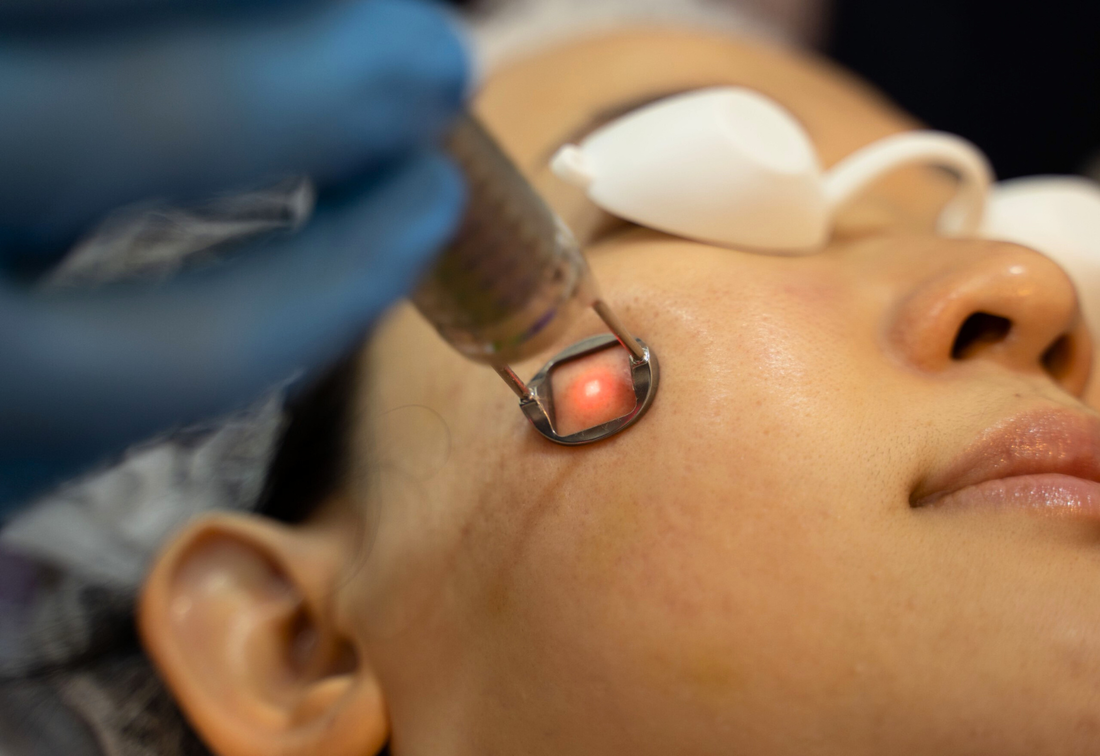
Traditionally, melasma has been diagnosed using Woods lamp examination, where it is categorized as epidermal, dermal, or mixed based on skin depth. However, with the advancement of technology like in vivo reflectance confocal microscopy (RCM), it has been shown that melanophages, the cells responsible for pigment absorption, are distributed heterogeneously across skin layers, implying that most cases of melasma might be a mixed type. Melasma: A photoaging skin disorder According to Dr Patrick Huang (pix), a dermatologist specializing in aesthetics at Kaohsiung, Taiwan, melasma is not just a pigmentary issue but also a result of photoaging. Speaking at the Aesthetic Medicine & Surgery Conference & Exhibition (AMSC) 2024, Dr Patrick discussed the complex interplay of factors contributing to melasma. "Melasma is the result of a complex interaction between epidermal melanocytes, keratinocytes, dermal fibroblasts, mast cells, vascular endothelial cells, and external influences like UV rays, hormones, and genetics," he explained. Histopathologically, melasma is characterized by features that closely align with photoaging, including solar elastosis (sun-induced damage to skin elastin), disruption of the basement membrane, increased blood vessel formation, and an elevated number of mast cells. These factors strongly indicate that melasma should be considered more than a pigmentary disorder; it is, indeed, a photoaging condition. Treatment options for melasma in Asian skin types Treating melasma, particularly in Asian skin, remains a challenge. Common treatments like hydroquinone (HQ) and other bleaching agents are effective but come with risks, especially in darker skin tones where prolonged use can lead to ochronosis—an unnatural darkening of the skin. Hydroquinone is typically prescribed at concentrations between 2% to 7%, but because of its potential side effects, long-term use becomes impractical. Azelaic acid is another option that helps to inhibit tyrosinase, an enzyme responsible for melanin production. While it can improve pigmentation, its effects are often less dramatic than those of hydroquinone. Some other skin-lightening agents have been tried, though many of these have shown inconsistent or limited success in improving Melasma Area and Severity Index (MASI) scores. The role of tranexamic acid Oral tranexamic acid, a treatment that has been in use by Asian dermatologists since the 1980s, is a noteworthy option for melasma management. Studies suggest that tranexamic acid can be taken in doses ranging from 500 mg/day to 1500 mg/day. However, there is no significant difference in outcomes across this dosage range. Typically, treatment begins with 500 mg/day for 4 to 6 weeks, with a tapering schedule suggested to minimize the risk of melasma recurrence. Despite oral tranexamic acid's promise, around 40% of patients experience a return of melasma after discontinuation. Intralesional and microneedling applications of tranexamic acid have been less effective, emphasizing the importance of tailoring the treatment to individual patient responses. Laser toning and other technologies Laser toning remains one of the most popular treatment methods for melasma. However, Dr Patrick emphasized that overuse or improper use of lasers can exacerbate the condition. "Laser toning is still a mainstay, but we often see more dendritic cells at the dermal-epidermal junction after treatment, indicating that while melanin index values decrease in lesional skin, they remain unchanged in non-lesional areas," Dr Patrick Huang explained. One of the latest advancements is the 755-nm picosecond laser with a flat-optic toning technique. Though this method has shown promise, especially with melanocyte reduction in the dermis, it has not significantly outperformed topical treatments like hydroquinone in improving MASI scores. Additionally, post-inflammatory hyperpigmentation (PIH) remains a risk, particularly in patients with darker skin tones. Fractional picosecond lasers: A new hope? The fractional 1064-nm picosecond laser has shown notable efficacy in treating melasma, particularly in Asian patients, as well as contributing to skin rejuvenation. A prospective study demonstrated that this laser was both effective and safe, with no reported cases of hypo- or hyperpigmentation—a significant benefit for darker-skinned patients who are at higher risk of these complications. “These are the best results we’ve seen for the treatment of melasma with fractional 1064 lasers in 2021. By six weeks, there was a 75% improvement in modifiability scores, with almost 70% improvement by 12 weeks post-treatment,” Dr Patrick noted. Safer laser protocols and modified approaches Dr Patrick stressed that lower fluence and fewer passes during laser treatments result in milder tissue responses, reducing the risk of adverse events like post-inflammatory hyperpigmentation (PIH) or rebound hyperpigmentation. Fractional ruby lasers, in particular, have gained favor for their ability to avoid the need for multiple overlapping sessions, thereby minimizing skin irritation and the risk of hypopigmentation. A balanced approach to melasma treatment The management of melasma, particularly in East Asian patients, is challenging due to the complexity of the condition and the varied responses to treatment. As Dr Patrick emphasized, there is no universally optimal laser or treatment protocol. The best outcomes are achieved through careful modification of laser settings, the judicious use of oral tranexamic acid, and patient adherence to sun protection. In conclusion, fractional ruby lasers and picosecond lasers offer new hope in treating melasma, especially when used alongside other treatment modalities. However, practitioners must be cautious, especially with high-fluence treatments, as these can lead to quicker melasma recurrences. For many patients, a combination of therapies, including lasers and oral treatments, represents the most effective approach to managing this complex skin disorder. |
EXPLORE FURTHER

|
Sensitive skin care: Breaking down skin barrier repair and allergy managementExploring skin sensitivity, its causes, and effective treatments
|
|
The culture of colourism: The obsession with lighter skin tones driving opportunities in the skin lighteners market |