HEALTHCARE TODAY
  • IN THE SPOTLIGHT
    • MALAYSIA HEALTH & POLICY NEWS
    • GLOBAL HEALTH NEWS
  • HEALTH CONDITIONS
    • ANTIMICROBIAL RESISTANCE
    • ARTHRITIS
    • ASTHMA
    • BACK PAIN
    • BRAIN DISORDERS
    • BREAST CANCER
    • CANCER
    • CARDIOVASCULAR DISEASE
    • CERVICAL CANCER
    • CORONAVIRUS DISEASE (COVID-19)
    • DEMENTIA
    • DENGUE
    • DENTAL PROBLEMS
    • DIABETES
    • DRUG ABUSE
    • EAR, NOSE AND THROAT
    • ECZEMA
    • EPILEPSY
    • EYE
    • FIBROIDS
    • GASTROINTESTINAL DISEASES
    • GOUT
    • INFLUENZA (FLU)
    • HEADACHES & MIGRAINES
    • HEPATITIS
    • HIV & AIDS
    • JOINT PAIN
    • KIDNEY DISEASE
    • LUNG CANCER
    • LUPUS
    • MELASMA
    • MENTAL HEALTH
    • MOUTH-AND-TEETH
    • OBESITY
    • OSTEOPOROSIS
    • OVARIAN DYSFUNCTION: UNDERSTANDING PREMATURE OVARIAN FAILURE, POLYCYSTIC OVARY DISEASE AND INFERTILITY
    • SEXUAL & REPRODUCTIVE HEALTH
    • SKIN CONDITIONS
    • SLEEP
    • STROKE
  • DISABILITIES & SPECIAL ABILITIES
    • ADHD and ADD
    • AUTISM SPECTRUM DISORDER
    • BLINDNESS & VISION IMPAIRMENT
    • CEREBRAL PALSY
    • DOWN SYNDROME
    • RARE DISEASES
  • PALLIATIVE CARE
  • NURSING RESOURCES
  • DIGITAL HEALTH
  • HEALTH PRODUCTS & SERVICES
  • RELATIONSHIPS
  • FAMILY HEALTH & PARENTING
  • EMPOWERING WOMEN
  • MEN'S WELLNESS
  • GOLDEN YEARS
  • ACTIVE LIFE HUB
  • NUTRITION
  • COMPLIMENTARY MEDICINE
  • HUMANITARIAN & COMMUNITY HEALTH
  • AMBULANCE AND FIRST AID GUIDE
  • Community clinics/ Klinik Komuniti
  • Government Dental Clinics / Klinik Pergigian Kerajaan
  • ABOUT US

​Methamphetamine's menace: Unraveling its impact on mental health

NOVEMBER 1, 2023
healthcaretoday, Drug abuse, substance misuse, Malaysia, Opioid epidemic, addiction treatment, harm reduction, public health, Malaysia healthcare, drug policy, HIV prevention, mental health awareness, rehabilitation programs, substance use, Methamphetamine, Monash University Malaysia,
​​
Methamphetamine, a potent stimulant of the central nervous system (CNS), has a history dating back to 1893, comprising dextro-methamphetamine and levomethamphetamine. The relatively simple chemical process for synthesizing methamphetamine has unfortunately led to its widespread illicit production, perpetuating its pervasive impact on mental health.

Types, forms, and routes of administration
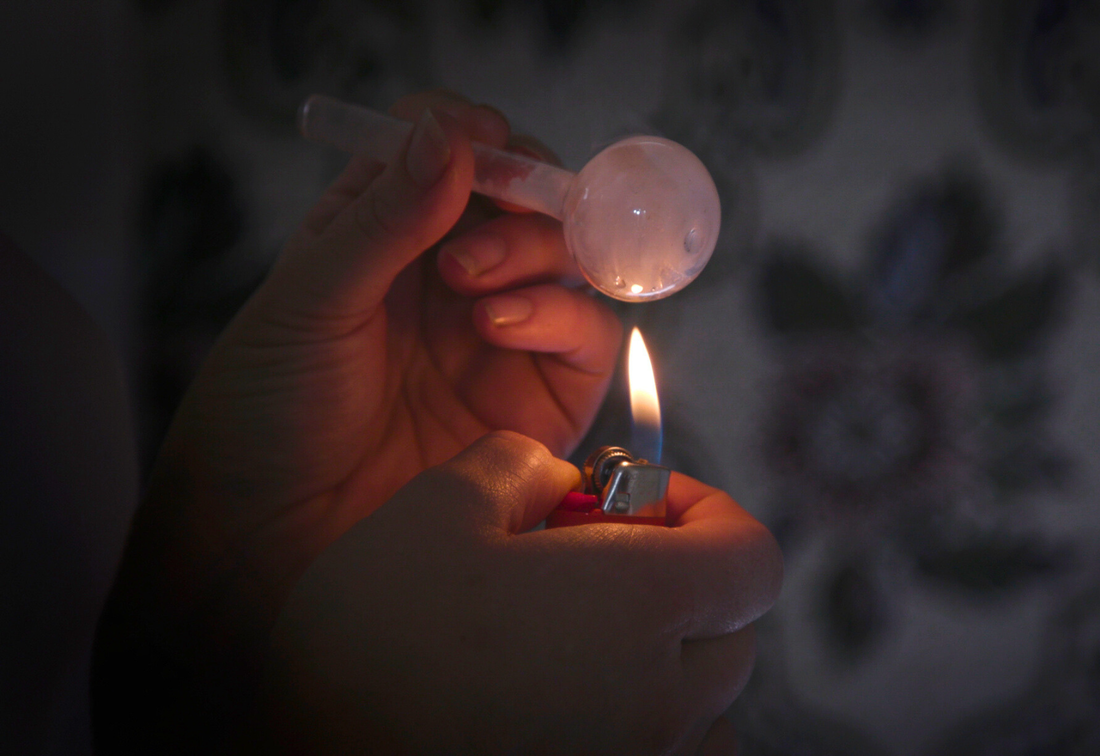
The spectrum of amphetamine and methamphetamine encompasses various forms and routes of administration, each with its own distinct nomenclature and method of ingestion. From white, yellow, or brown powder to tablets, the forms and routes of administration vary, influencing the drug's pharmacological effects and its profound implications for mental health. These insights were shared by Associate Professor Dr Sivakumar Thurairajasingam during his talk 'Crystal Methamphetamine Dependence and the Impact on Mental Health' at the Human Rights, Prison Health, and Drug Policy Reform hybrid event.

Mechanism of action
Methamphetamine's impact on the CNS is underpinned by its ability to enhance the release of monoamine neurotransmitters, such as serotonin, dopamine, and norepinephrine. Its intricate molecular processes and lipid solubility facilitate its rapid transfer across the blood-brain barrier, culminating in its immediate effect on the CNS and its profound impact on mental health.

Adverse effects
Individuals who use methamphetamine experience a potent, short-lived rush lasting approximately 5 to 30 minutes, with the duration varying based on the method of administration. The drug induces heightened energy levels, decreased appetite, and euphoria, persisting for a span of 6 to 12 hours. However, the short-term effects encompass a range of adverse outcomes, including decreased appetite, nausea, psychosis, tachycardia, hypertension, and disrupted sleep patterns, among others. Long-term effects include severe tooth decay, respiratory issues, and psychological dependence, underscoring the profound toll on mental health.

Tweaking and impact on mental health
The final stage of methamphetamine misuse, known as "tweaking," occurs when individuals become paranoid and irritable due to prolonged sleep deprivation, typically lasting 3 to 15 days. This state poses a danger to both the individual and others, as tweakers may engage in violent or impulsive actions, highlighting the severe impact on mental health. Acute methamphetamine use may lead to increased confidence, grandiosity, heightened attentiveness, and aggressive behavior, while chronic use may result in persistent anxiety, paranoia, and impaired coping abilities, often leading to strained relationships.

Reasons for increasing methamphetamine addiction
The surge in methamphetamine addiction can be attributed to drug policies, stigma, discrimination, incarceration, and the drug's ease of production, concealment, and transportation, all of which contribute to its pervasive impact on mental health.

The way forward
Addressing methamphetamine addiction necessitates a multifaceted approach, encompassing medical, pharmacological, and psychosocial interventions, alongside decriminalization and community-based initiatives to reduce discrimination and stigma, fostering a culture of seeking treatment and prioritizing mental health.
ADVERTISEMENT

EXPLORE FURTHER


Picture

The complex landscape of drug abuse in Malaysia: A multifaceted analysis

​Unveiling the historical context, policy responses, and ongoing challenges
Picture

​​Behind bars: Exploring mental health challenges in incarceration

​Navigating the intersection of mental health and substance use disorders
Picture
Get our wellness newsletter
​Filter out the noise and nurture your inbox with health and wellness advice that’s inclusive and rooted in medical expertise.
Subscribe to Newsletter
About Us
©2018 - 2026 ©Healthcare Today Media Network Sdn Bhd.
All rights reserved. The material in this site is intended to be of general information use and is not intended to constitute medical advice, probable diagnosis or recommended treatments.          
  • IN THE SPOTLIGHT
    • MALAYSIA HEALTH & POLICY NEWS
    • GLOBAL HEALTH NEWS
  • HEALTH CONDITIONS
    • ANTIMICROBIAL RESISTANCE
    • ARTHRITIS
    • ASTHMA
    • BACK PAIN
    • BRAIN DISORDERS
    • BREAST CANCER
    • CANCER
    • CARDIOVASCULAR DISEASE
    • CERVICAL CANCER
    • CORONAVIRUS DISEASE (COVID-19)
    • DEMENTIA
    • DENGUE
    • DENTAL PROBLEMS
    • DIABETES
    • DRUG ABUSE
    • EAR, NOSE AND THROAT
    • ECZEMA
    • EPILEPSY
    • EYE
    • FIBROIDS
    • GASTROINTESTINAL DISEASES
    • GOUT
    • INFLUENZA (FLU)
    • HEADACHES & MIGRAINES
    • HEPATITIS
    • HIV & AIDS
    • JOINT PAIN
    • KIDNEY DISEASE
    • LUNG CANCER
    • LUPUS
    • MELASMA
    • MENTAL HEALTH
    • MOUTH-AND-TEETH
    • OBESITY
    • OSTEOPOROSIS
    • OVARIAN DYSFUNCTION: UNDERSTANDING PREMATURE OVARIAN FAILURE, POLYCYSTIC OVARY DISEASE AND INFERTILITY
    • SEXUAL & REPRODUCTIVE HEALTH
    • SKIN CONDITIONS
    • SLEEP
    • STROKE
  • DISABILITIES & SPECIAL ABILITIES
    • ADHD and ADD
    • AUTISM SPECTRUM DISORDER
    • BLINDNESS & VISION IMPAIRMENT
    • CEREBRAL PALSY
    • DOWN SYNDROME
    • RARE DISEASES
  • PALLIATIVE CARE
  • NURSING RESOURCES
  • DIGITAL HEALTH
  • HEALTH PRODUCTS & SERVICES
  • RELATIONSHIPS
  • FAMILY HEALTH & PARENTING
  • EMPOWERING WOMEN
  • MEN'S WELLNESS
  • GOLDEN YEARS
  • ACTIVE LIFE HUB
  • NUTRITION
  • COMPLIMENTARY MEDICINE
  • HUMANITARIAN & COMMUNITY HEALTH
  • AMBULANCE AND FIRST AID GUIDE
  • Community clinics/ Klinik Komuniti
  • Government Dental Clinics / Klinik Pergigian Kerajaan
  • ABOUT US