OP-ED:Can Malaysians eat right when healthy food isn’t equally accessible?
September 15, 2026
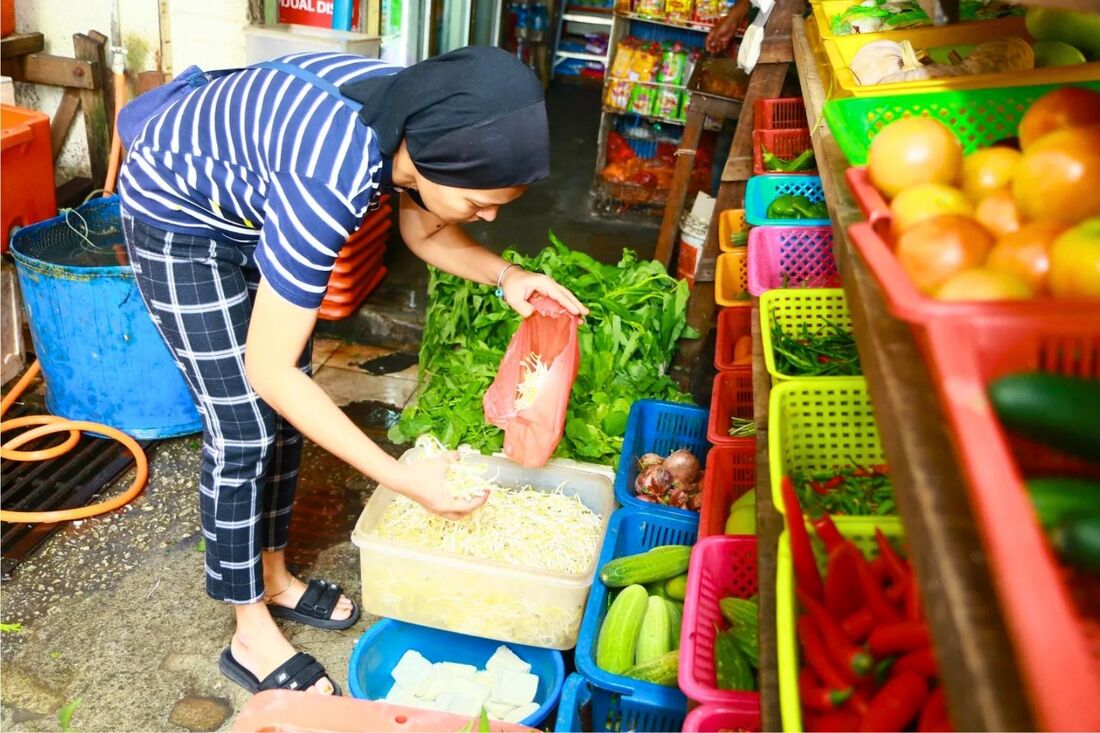
The factors that shape what people eat and how well they grow extend across poverty, education, livelihoods, food systems, water, sanitation and hygiene.
We are often told that eating well is simply a matter of making better choices. Eat more vegetables, cut down on sugar, and choose healthier food. But what if not everyone has the same choices?
For a family struggling to make ends meet, the challenge may be beyond knowing what constitutes a healthy diet, but being able to afford one. For a child growing up without reliable access to clean water, poor nutrition may have little to do with what they eat and much to do with the conditions in which they live. Malaysia's nutrition challenge is not just about food choices. It is about unequal access to the conditions that make healthy choices possible. It is time to look beyond what is on our plates and ask a bigger question: do we have a nutrition problem, or a nutrition inequality problem? When healthy choices aren't equal choices Malaysia faces a double burden of malnutrition. While obesity and diet-related diseases remain significant concerns, undernutrition and micronutrient deficiencies continue to affect children, particularly in vulnerable communities. What people eat is shaped by more than knowledge or personal choice. Income, food prices, access to clean water and fresh food, and where people live can all determine what ends up on the table. A parent may know what constitutes a balanced meal, but financial constraints and competing household expenses can affect the variety and quality of foods available to their family. Knowledge matters, but it cannot overcome barriers beyond a family's control. Malnutrition is bigger than healthcare Tackling malnutrition cannot be the responsibility of the healthcare sector alone. A Lancet study estimated that even if evidence-based nutrition interventions reached 90% of the population, they could address only around one-fifth of the global stunting burden. The rest requires action across women’s empowerment, food systems, education, social protection, and water, sanitation and hygiene (WASH). Some of the most important nutrition interventions may therefore not look like nutrition interventions at all. Clean water can reduce illness that affects nutrient absorption; livelihood programs can improve a family's ability to afford nutritious food; and home gardens can increase access to fresh ingredients. The challenge is connecting these interventions — and ensuring nutrition is considered when programs are designed, rather than treated as an afterthought. I have seen this first-hand through World Vision Malaysia's community development program in Mukim Tatalaan, Sabah. Lessons from Tatalaan During community consultations, unreliable access to clean water emerged as a key concern. Working alongside the community and the Ministry of Health's Water Supply and Environmental Sanitation Unit (BAKAS), we improved gravity-fed water systems and promoted better hygiene practices. But water was only part of the picture. Home gardening improved access to nutritious ingredients, mother’s cooking groups supported the rehabilitation of underweight children, and livelihood activities sought to strengthen household resilience. The interventions were designed to reinforce one another rather than operate in isolation. After three years, all communities had consistent access to clean water, while the prevalence of stunting among children under five fell from 47.3% to 42.9%. No single intervention can claim responsibility for that improvement. But Tatalaan reinforced an important lesson: nutrition outcomes can depend on interventions that, on the surface, have little to do with nutrition. This is where nutritionists have a role that extends beyond the clinic. Nutritionists as community change agents In community development, a nutritionist's job is not simply to tell people what to eat. It can involve helping organizations understand the nutritional implications of their programs, identify risks, design appropriate interventions, and ensure different efforts work towards the same outcome. Malaysia recognizes nutritionists as allied health professionals under the Allied Health Professions Act 2016. Yet nutrition expertise remains largely associated with healthcare, research, and food industry — and there simply aren’t enough professionals to go around. According to the World Health Organization, Malaysia had just 3.3 nutrition professionals per 100,000 population in 2018, trailing regional peers such as Indonesia and Thailand. There is an opportunity to bring that expertise into places where the social determinants of nutrition are being addressed — including NGOs, schools, community development programs, food systems, and livelihood initiatives. For NGOs working with vulnerable communities, having nutritionists involved from the outset can ensure that nutrition is not treated as an add-on to water, education, livelihood, or social protection programs. It can also strengthen monitoring and evaluation. As donors and the public increasingly demand evidence of impact, counting activities is no longer enough. We need to know whether children are growing better, diets are becoming more nutritious, and families are becoming more resilient. Nutritionists can help organizations measure those outcomes and use the evidence to improve programs. The missing question: who gets to be healthy? This matters as Malaysia seeks to address both undernutrition and rising rates of overweight and obesity. Public health messages often assume that people have the resources and opportunity to act on the advice they receive. But those opportunities are not equal. It is difficult to make healthy choices consistently when healthier options cost more, when time is limited, or when basic needs such as WASH and income security are uncertain. Individual responsibility remains important. But it should not become a substitute for addressing unequal circumstances. Perhaps instead of asking, “Why aren't people eating better?”, we should ask, “What is preventing them from eating better?” That shifts the conversation from blaming behavior to understanding barriers. Making nutrition everyone's business As Malaysia continues its efforts to tackle malnutrition, nutrition cannot sit solely within healthcare. The factors that shape what people eat and how well they grow extend across poverty, education, livelihoods, food systems, and WASH. Nutritionists can help bridge these worlds — bringing nutrition expertise into NGOs, schools and community development programs, identifying nutritional risks and ensuring interventions are designed and measured for meaningful outcomes. Ultimately, this is not about creating more positions for nutritionists, though more are urgently needed. It is about putting nutrition expertise where it can help address the reasons people become malnourished in the first place. Because telling people to make healthier choices means little if they do not have equal opportunities to make them. |

EXPLORE FURTHER
|
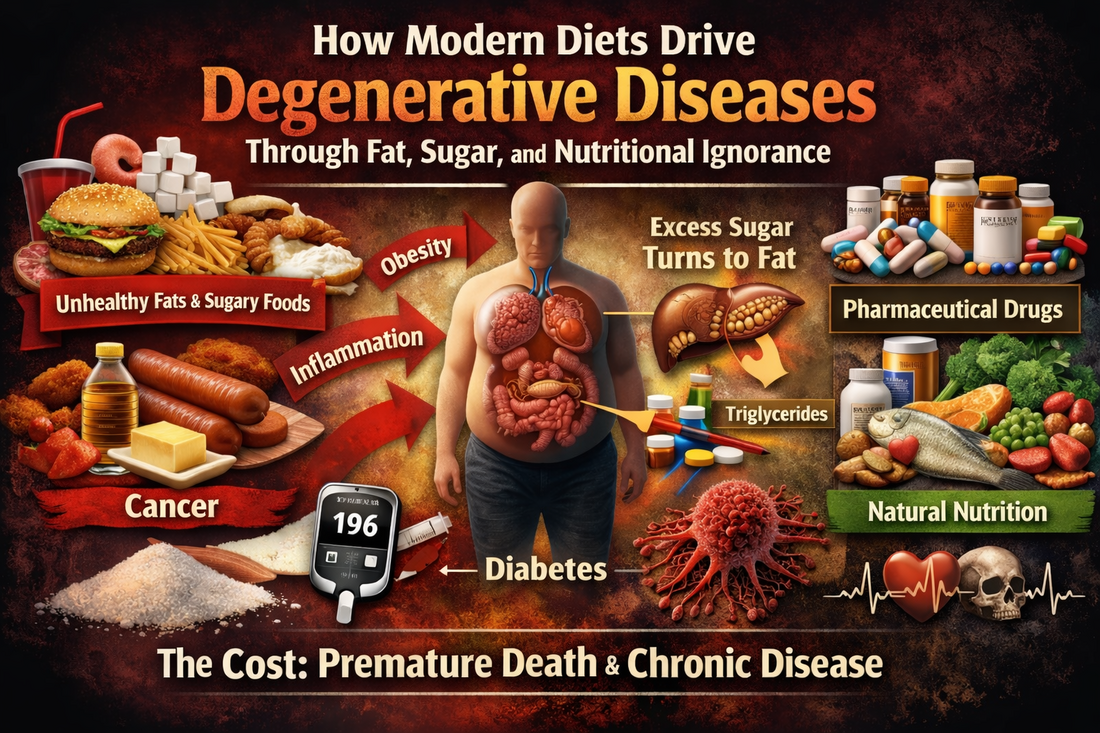
How modern diets drive degenerative diseases through fat, sugar, and nutritional ignoranceIs chronic stress quietly draining your body’s nutritional reserves faster than you realize?
|

|
Why alpha-linolenic acid matters more than you thinkEssential fats and balanced Omega ratios for long-term wellbeing
|

|
Are your daily food choices creating a cycle of oxidation and illness?The shocking monthly limit for fried foods that could transform your well-being
|
|
What are the different types of calcium—and how do they affect our body?Understanding the many roles of calcium beyond just strong bones
|

|
Enhancing food safety: Colored cutting boards in preventing cross-contaminationA simple solution for a safer kitchen
|
|
Can you resist the temptation of a fat patty burger or cheesy pizza?The world of processed foods: What you need to know
|
|
Salt wars: The pink vs. the white—who will win?The surprising truth behind your salt shaker
|
|
Ramadan: A beginner's guide to fastingPractical tips for balanced nutrition and well-being
|

|
Essential tips for parents and caregivers of first-time fasting childrenEnsuring healthy practices during Ramadan
|
|
Managing diabetes and fasting during Ramadan for optimal health benefitsPrioritizing nutrition and hydration for a healthy fasting experience
|
|
Snack smart: Shaping family health one bite at a timeMindful snacking starts at home
|

|
Improve your health with rest, exercise, and nutritionAre you snacking wisely with fruits, vegetables, and whole grains?
|

|
Flavoured water recipes on Tik Tok - Are they healthy?While these flavored water are visually appealing, it is important to consider their health implications
|

|
Storing eggs: Fridge or counter?Explore the egg storage dilemma, weighing the benefits of refrigeration
|
|
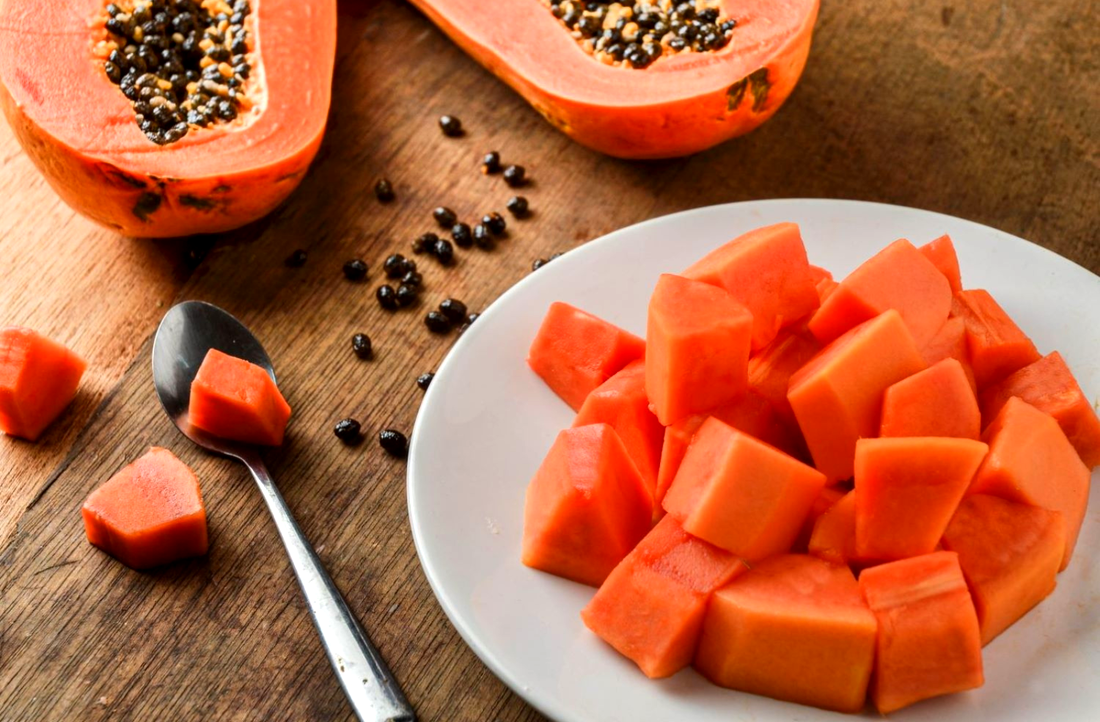
Papaya and estrogen: Exploring the benefits of papaya seeds for both men and womenCan papaya seeds balance hormones naturally?
|
|
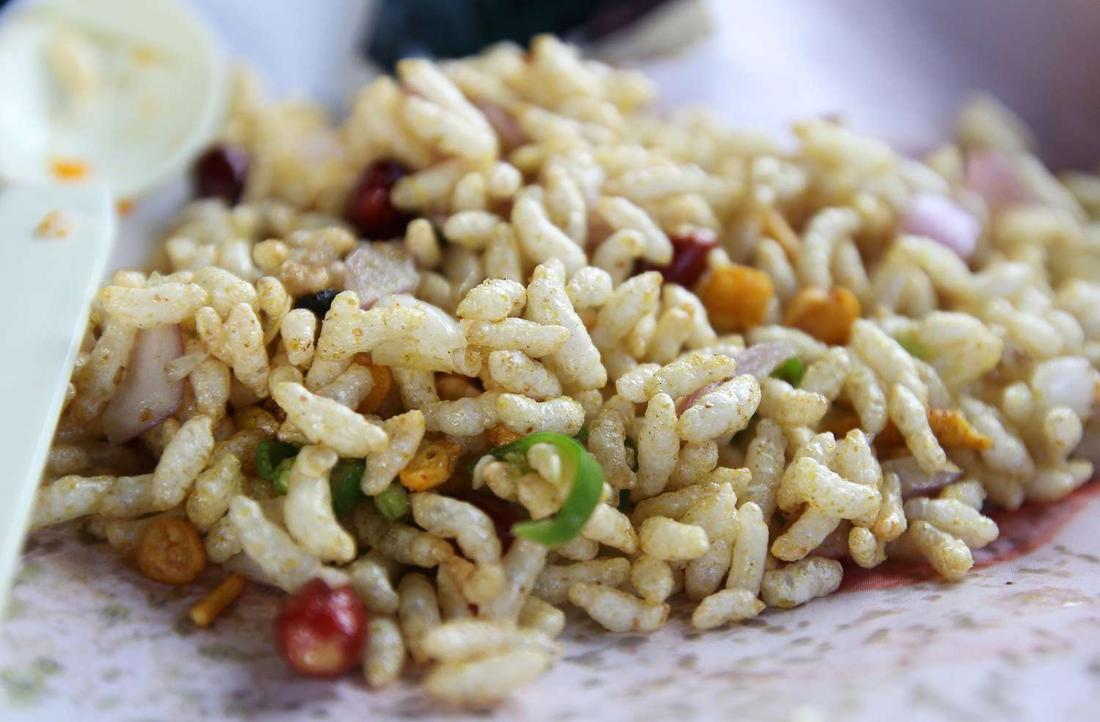
Puffed rice: A low-cost and low-calorie snack to help people over 40 reduce weightDiscover how to use puffed rice as a healthy and satisfying snack.
|
|
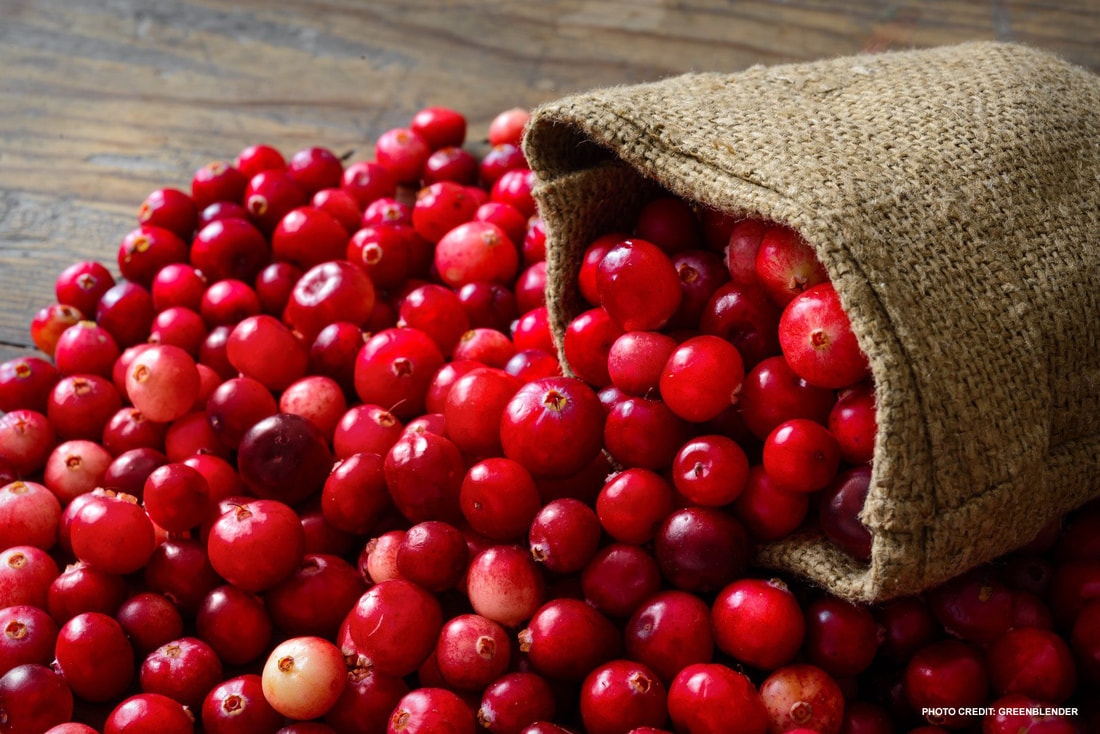
Cranberries, high doses of vitamin C causes kidney stones, says clinical journal15 herbs and supplements that cause kidney problems
|
|
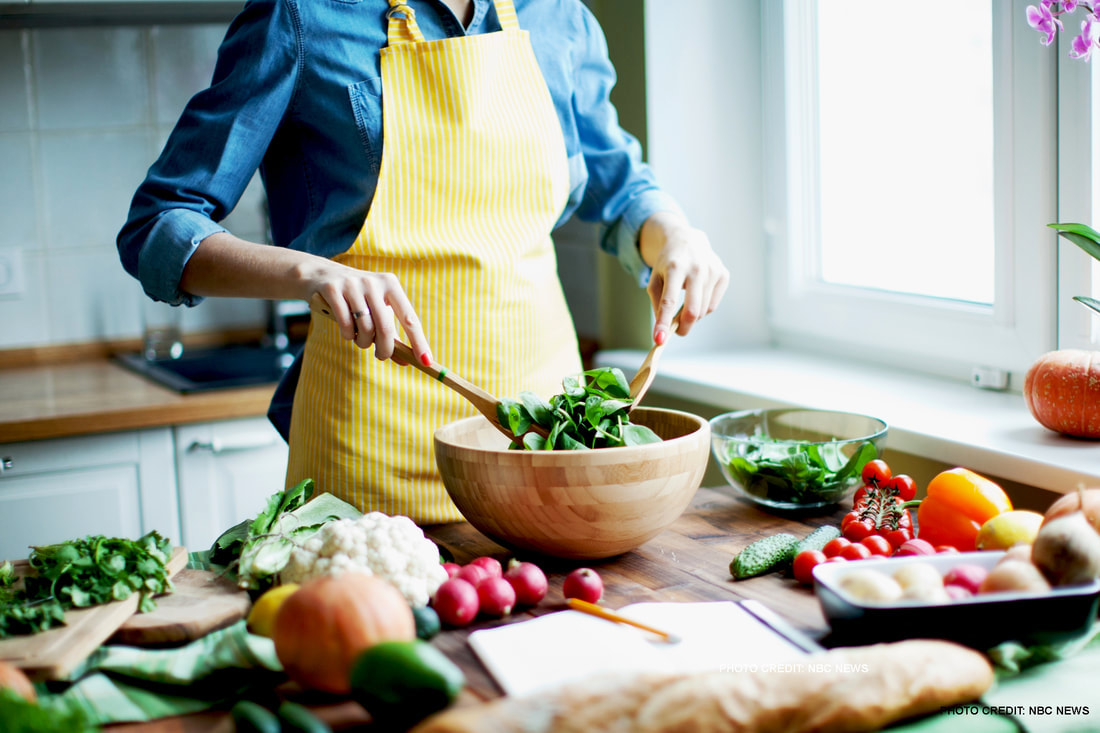
Weight loss and weight management: Calorie density of foodBalancing the five pillars of well-being
|
|
How athletes can benefit from form and function with functional carbohydratesHow effective is palatinose compared to other carbohydrates?
|
|
Weight loss and weight management: The 5 pillars of healthHolistic health through mental and physical well-being
|

|
Getting it right at breakfastProtein-packed breakfasts: Stay satisfied longer and curb unnecessary snacking
|
|
Protein abundance in the plant-based dietAre plant-proteins as good for our body as the animal-proteins?
|
|
The pros and cons of going vegan: A first-timer's guideThe nutritional benefits of a vegan diet
|
|
When is it safe to heat leftovers?Best practices for food storage to preserve nutrients
|