OP-ED: Osteoporosis is a family story
October 5, 2026
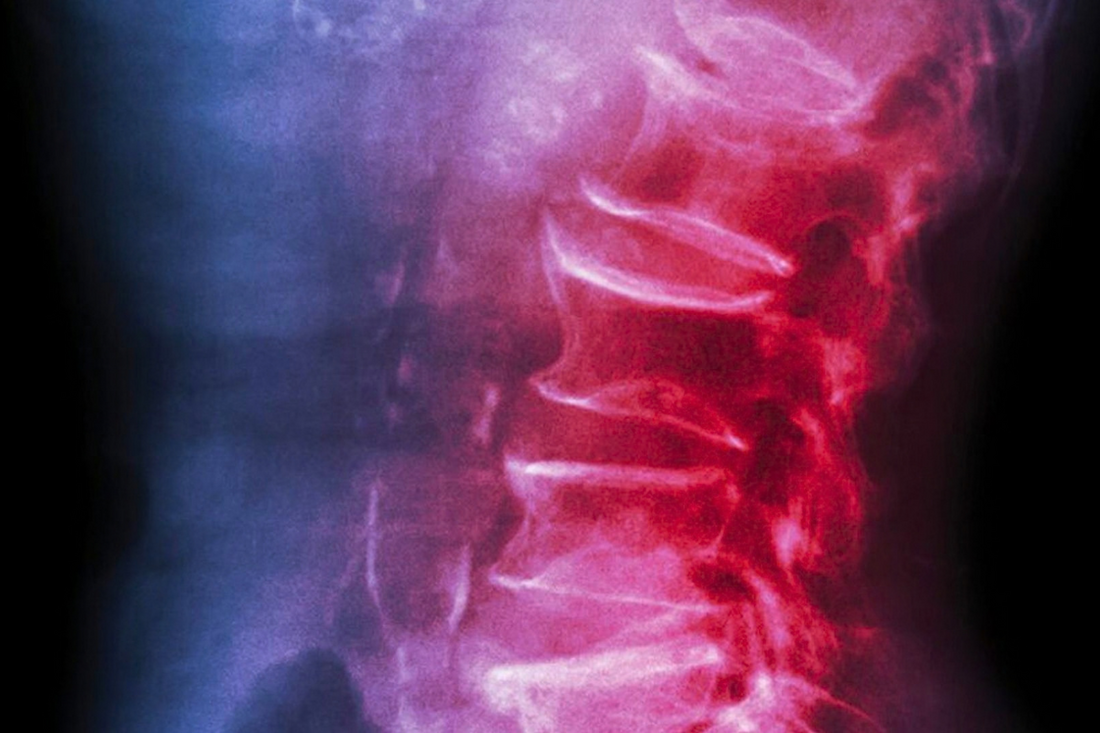
Osteoporosis is often called a "silent disease" because bone loss can occur without noticeable symptoms. For many people, the first sign is a fracture after a minor fall or everyday activity.
Osteoporosis is a condition that weakens bones, making them more fragile and more likely to break from a minor fall or even everyday activities. Globally, osteoporosis is responsible for more than 8.9 million fractures each year, or roughly one every three seconds. In Malaysia, an estimated one in seven urban adults is affected by osteoporosis, while more than 60% of patients do not regain their pre-fracture mobility within six months of surgery.
When an osteoporosis-related fracture occurs, its impact often extends far beyond the individual. Recovery can require significant support from family members, from helping with daily activities and mobility to accompanying loved ones to medical appointments and providing emotional support. One study found that, in the first six months after a hip fracture, family members may provide nearly 40 hours of care each week. This reality is particularly relevant in Malaysia, where caregiving is often a family responsibility. Findings from the 2025 National Household Indicators Survey showed that Malaysian adults spend an average of almost two hours each day on unpaid care work. That commitment often comes with emotional, financial and practical challenges for families. As Malaysia moves towards becoming an aging nation by 2030, more people may be at risk of osteoporosis and fractures that can affect independence and quality of life. Yet despite its potentially life-changing consequences for patients and their families, osteoporosis remains one of the most underdiagnosed and undertreated health conditions. The prevention gap we can’t ignore Osteoporosis is often called a "silent disease" because bone loss can occur without noticeable symptoms. For many people, the first sign is a fracture after a minor fall or everyday activity. The encouraging news is that osteoporosis is not an inevitable part of aging. In many cases, early detection and preventive measures can help reduce fracture risk and support independence and better quality of life. However, an estimated 80% of people with fractures are not identified or treated for osteoporosis, even after the fracture occurs. This is not about families falling short, but it highlights the need for earlier detection and better access to osteoporosis care, so people can receive support before fractures occur. Families have an important role to play in this effort. They are often the first to notice changes in mobility, encourage medical check-ups, and support healthier lifestyle habits. Families can also help create safer home environments by reducing fall risks and encouraging regular physical activity. At the same time, caregiving can also take a toll on family members. Many caregivers, particularly women in midlife, may already be at increased risk of bone loss and often put their own health needs aside while caring for loved ones. Protecting bone health should therefore be a family priority. Prevention starts earlier than many realize Bone health should not become a concern only after a fracture occurs. Understanding personal risk factors and seeking medical advice when appropriate can help identify concerns earlier. Factors such as age, menopause, family history, previous fractures, and certain medical conditions or medications may increase an individual's risk and warrant further assessment. Advances in bone density testing and diagnostic tools are helping more people assess their osteoporosis risk and seek care earlier. Artificial intelligence is also being explored to analyze scans and clinical data, helping identify missed fractures and people at high risk sooner. While adoption is still evolving, such approaches could help strengthen early detection in settings where access to specialist care and diagnostic infrastructure varies. However, awareness remains the first step. The sooner osteoporosis risk is recognized, the greater the opportunity to take action before serious complications occur. A shared responsibility Families should not have to shoulder the burden of osteoporosis alone. Greater awareness, earlier risk assessment and improved access to bone health services can help more people take steps to protect their health before a fracture changes their lives. Osteoporosis may affect an individual, but its impact is often felt across an entire family. By prioritizing prevention, early detection and education, we can help more people maintain their independence, reduce the risk of fractures and lessen the burden on those who care for them. Because when it comes to osteoporosis, protecting bone health is not just an individual responsibility. It is a family story. |

- IN THE SPOTLIGHT
-
HEALTH CONDITIONS
- ANTIMICROBIAL RESISTANCE
- ARTHRITIS
- ASTHMA
- BACK PAIN
- BRAIN DISORDERS
- BREAST CANCER
- CANCER
- CARDIOVASCULAR DISEASE
- CERVICAL CANCER
- CORONAVIRUS DISEASE (COVID-19)
- DEMENTIA
- DENGUE
- DENTAL PROBLEMS
- DIABETES
- DRUG ABUSE
- EAR, NOSE AND THROAT
- ECZEMA
- EPILEPSY
- EYE
- FIBROIDS
- GASTROINTESTINAL DISEASES
- GOUT
- INFLUENZA (FLU)
- HEADACHES & MIGRAINES
- HEPATITIS
- HIV & AIDS
- JOINT PAIN
- KIDNEY DISEASE
- LUNG CANCER
- LUPUS
- MELASMA
- MENTAL HEALTH
- MOUTH-AND-TEETH
- OBESITY
- OSTEOPOROSIS
- OVARIAN DYSFUNCTION: UNDERSTANDING PREMATURE OVARIAN FAILURE, POLYCYSTIC OVARY DISEASE AND INFERTILITY
- SEXUAL & REPRODUCTIVE HEALTH
- SKIN CONDITIONS
- SLEEP
- STROKE
- DISABILITIES & SPECIAL ABILITIES
- PALLIATIVE CARE
- NURSING RESOURCES
- DIGITAL HEALTH
- HEALTH PRODUCTS & SERVICES
- RELATIONSHIPS
- FAMILY HEALTH & PARENTING
- EMPOWERING WOMEN
- MEN'S WELLNESS
- GOLDEN YEARS
- ACTIVE LIFE HUB
- NUTRITION
- COMPLIMENTARY MEDICINE
- HUMANITARIAN & COMMUNITY HEALTH
- AMBULANCE AND FIRST AID GUIDE
- Community clinics/ Klinik Komuniti
- Government Dental Clinics / Klinik Pergigian Kerajaan
- ABOUT US