Pompe disease, a rare and often misunderstood condition, casts a shadow over the lives of its few patients in Malaysia. Despite their small number, the challenges faced by these individuals are substantial, encompassing not only the burden of the disease itself but also the complexities of diagnosis and treatment.
While rare diseases may seem distant to many, they are more prevalent than commonly perceived. Thousands of rare diseases collectively affect around 300 million individuals worldwide. Among these is Pompe disease, a genetic disorder characterized by a deficiency in the enzyme acid alpha-glucosidase (GAA), leading to muscle weakness due to glycogen build-up. In Malaysia, there are only 17 diagnosed cases of Pompe disease. Identifying symptoms of Pompe The symptoms of Pompe disease, such as severe muscle weakness, breathing difficulties, and swallowing issues, often manifest early in life. Babies may exhibit "floppy baby syndrome," while older children may struggle with walking or experience frequent falls. Identifying these symptoms early is paramount, as prompt diagnosis and intervention can significantly impact disease progression. Parents who suspect Pompe disease in their child should seek consultation with Clinical Geneticists, Pediatricians, and Neurologists. Clinical Geneticists in particular currently can be found only in major public hospitals across Malaysia such as Kuala Lumpur Hospital (HKL), University Malaya Medical Centre (UMMC), Universiti Sains Malaysia Hospital (USM), University Kebangsaan Malaysia Medical Centre (UKMMC), and Penang General Hospital (HPP). Early detection is key Confirming a diagnosis of Pompe disease relies on enzymatic, genetic and genomic testing. These tests can confirm GAA enzyme is deficient and pinpoint mutations in the GAA gene, the culprit behind the disease, which then helps determine the most effective treatment course. However, the diagnostic journey can begin with a simpler procedure: Dried Blood Spot (DBS) testing can be a convenient first step. This minimally invasive test collects a small blood sample, which is then analysed to measure GAA enzyme activity levels, providing an initial indication of Pompe disease. Newborn screening programs are also instrumental in detecting Pompe disease and other lysosomal storage disorders (LSDs) early on. By including Pompe disease in newborn screening panels, healthcare providers can identify affected infants before symptoms appear, enabling timely intervention and improving long-term outcomes. However, the rarity of Pompe disease poses a hurdle to timely diagnosis. There's a need for heightened awareness among healthcare professionals, as symptoms may be mistaken for other conditions. Moreover, the financial burden adds another layer of complexity for families. Enzyme Replacement Therapy (ERT), the primary treatment for Pompe disease, comes at a substantial cost, ranging from several thousand ringgit per month to RM500,000 per year. This burden is particularly significant considering a newly-approved ERT offers a more effective treatment option, providing relief from the symptoms of Pompe disease by improving muscle strength, lung function and walking distance. Additionally, there are the associated costs of supportive therapies as part of the holistic management of the disease, including respiratory support for patients with respiratory compromise or failure, physiotherapy, rehabilitation, speech therapy, pain management, dialysis, and more. Making a difference Despite the challenges, there are glimpses of resilience and determination in the journey of Pompe disease patients. Through the Malaysia Lysosomal Diseases Association (MLDA), patients and their families find practical and emotional support, fostering a sense of community in the face of adversity. In the meantime, the Ministry of Health is developing a rare disease policy that includes access to the latest treatment and sustainable funding. Many are hopeful that this will include measures to help with earlier diagnosis, such as improved training for front-liners to recognise symptoms of rare disease and expanded screening tests for newborns. As Malaysia tackles the challenges of rare diseases, collective action is vital. Malaysians can make a difference by raising awareness on social media, volunteering with organizations like MLDA, and providing financial support. By standing together, we can illuminate the path for those battling Pompe disease and other rare conditions. We can offer hope, solidarity, and ultimately, a brighter future with earlier diagnosis, better health and improved well-being. |

EXPLORE FURTHER
|
New ERT Nexviazyme approved for treatment of Pompe diseaseImproving lung function, walking distance, and muscle strength
|

|
OP-ED: 40% of rare disease patients untreated amid lack of innovative access modelsCan new funding and public-private partnerships transform rare disease access in Malaysia?
|

|
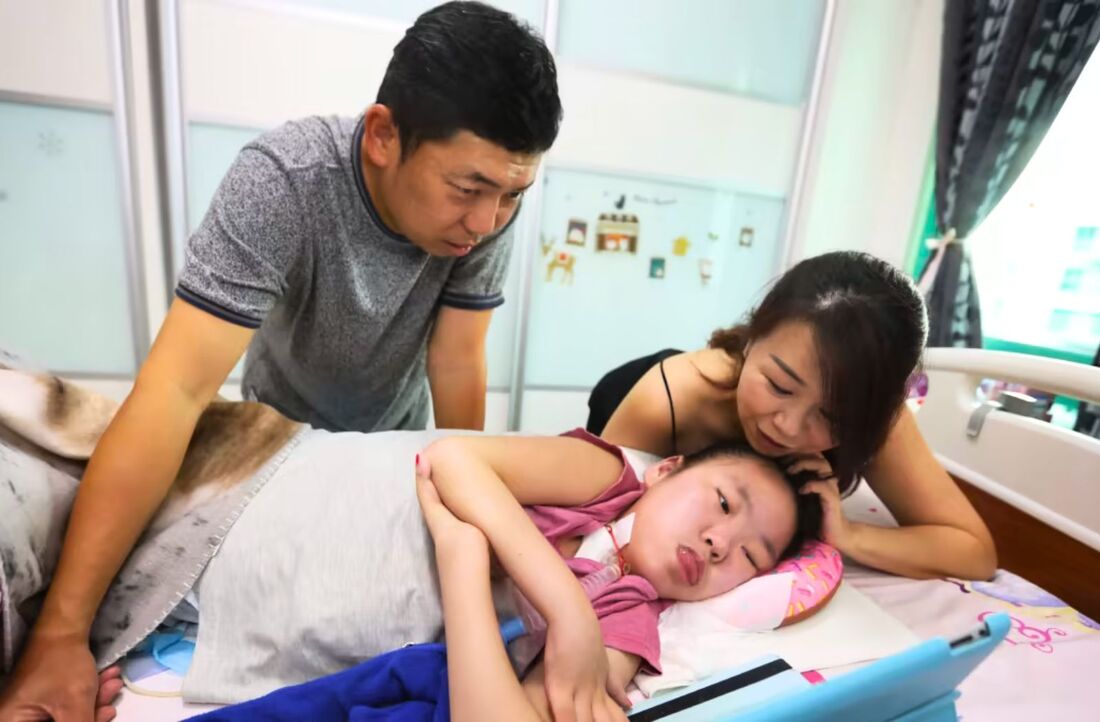
Rare genetic disorder leaves child strugglingDiscovering hope in the face of adversity: A mother's journey with Cornelia De Lange Syndrome
|
|
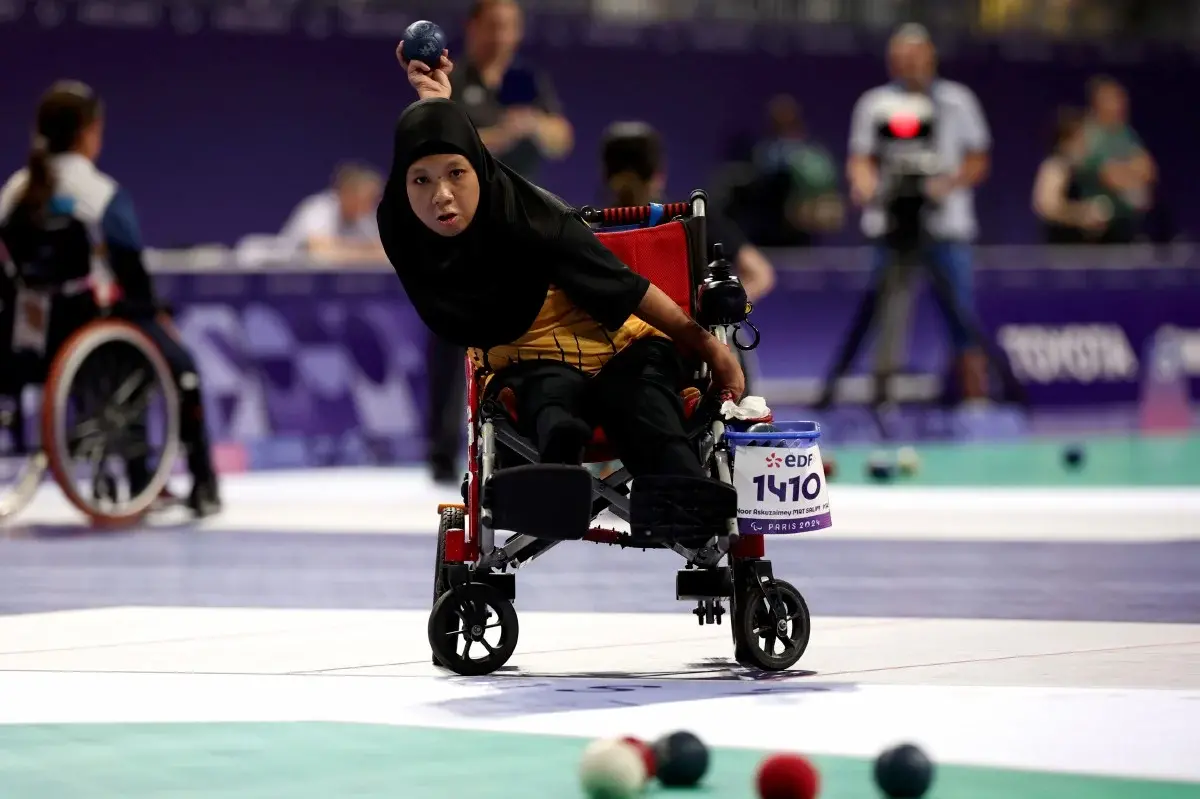
Noor Askuzaimey's journey from rare genetic disorder to paralympic gloryHow a Malaysian champion turned arthrogryposis into triumph on the boccia court
|

|
Sharfiza Abdul Aziz brings hope through pediatric physiotherapyFundraising gala aims to provide 400 free therapy sessions for 40 underprivileged children
|

|
Shining light on Prader-Willi syndromeTaylor’s College join forces with PWSA Malaysia to raise awareness, funds, and empathy for families facing Prader-Willi syndrome
|