Powerbuilding: The middle ground between powerlifting and bodybuilding
March 19, 2023
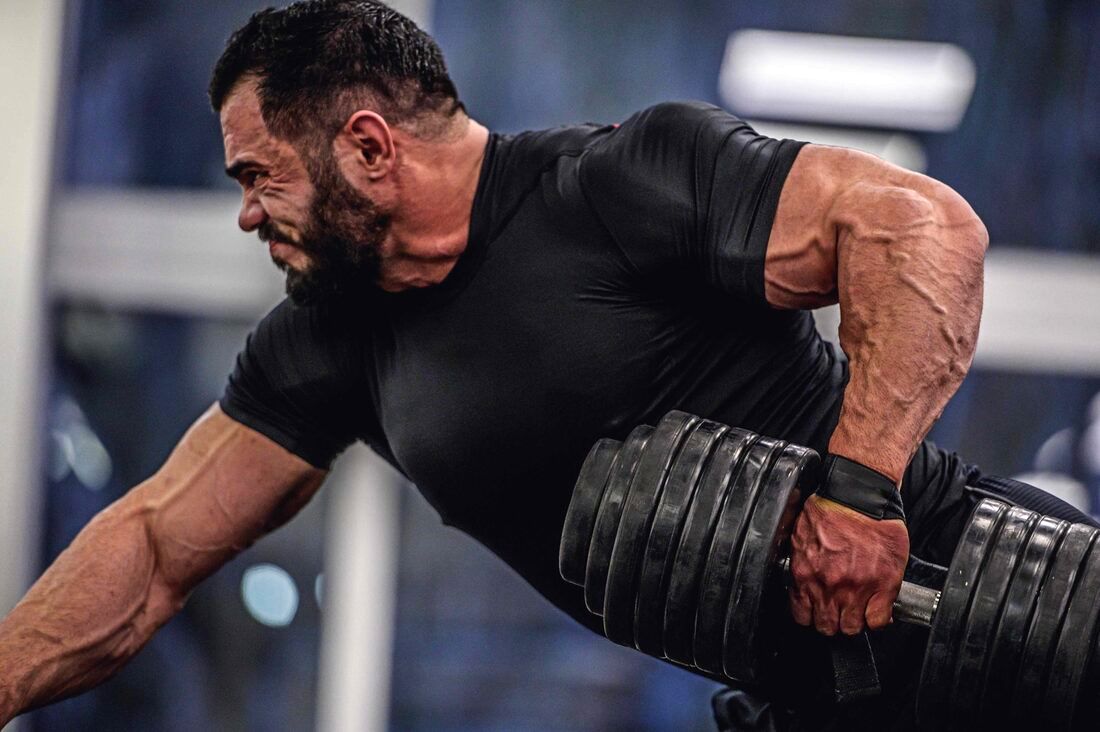
Powerbuilding is a combination of powerlifting and bodybuilding, which aims to build both strength and muscle mass simultaneously.
Powerlifting and bodybuilding are two distinct disciplines in the world of weightlifting and strength training. While they share some similarities, they differ significantly in terms of training methods, goals, and competition formats.
Powerlifting Focuses on developing maximal strength in the squat, bench press, and deadlift, with the goal of lifting as much weight as possible in these three lifts. Training involves low-repetition, high-intensity workouts to improve strength and power. Athletes are typically divided into weight classes and compete to lift the heaviest weight in each of the three lifts. Body composition is less important in powerlifting than in bodybuilding, and athletes may carry more body fat to aid in strength development. Bodybuilding Focuses on developing muscle size, shape, and symmetry through resistance training and careful attention to diet and nutrition. Training involves higher-volume, moderate-intensity workouts designed to promote muscle hypertrophy and definition. Athletes compete in bodybuilding shows, where they are judged on muscular development, symmetry, and aesthetics. Body composition is a critical component of bodybuilding, and athletes strive to maintain low body fat percentages to showcase their muscular definition. The choice between powerlifting and bodybuilding ultimately depends on your personal goals and preferences. If your goal is to develop maximal strength and compete in powerlifting competitions, then powerlifting is the way to go. If your goal is to develop muscle mass and aesthetics, and compete in bodybuilding shows, then bodybuilding is the discipline for you. Some individuals may choose to incorporate elements of both disciplines into their training - “powerbuilding”, depending on their individual goals and interests. Powerlifting meets bodybuilding Powerbuilding is a combination of powerlifting and bodybuilding, which aims to build both strength and muscle mass simultaneously. Powerbuilding involves using powerlifting-style exercises, such as squats, deadlifts, and bench presses, to develop maximal strength in the three main lifts, while also incorporating bodybuilding-style exercises and higher-volume training to promote muscle hypertrophy. The goal of powerbuilding is to develop a strong, muscular physique while also being able to lift heavy weights in the three main lifts. This approach combines the best of both worlds, as powerlifting helps to build a foundation of strength, while bodybuilding-style training helps to develop muscle size, shape and symmetry. Powerbuilding workouts typically involve heavy compound lifts, such as squats and deadlifts, performed for low reps, followed by accessory exercises, such as isolation movements and higher-rep sets, to target specific muscle groups. This type of training requires careful attention to diet and nutrition, as well as adequate rest and recovery, to allow for muscle growth and strength development. The appeal of powerbuilding is that it provides a balanced approach to strength and muscle development, allowing individuals to build both size and strength simultaneously. This approach is particularly popular among fitness enthusiasts and athletes who want to improve their overall strength and physique, without necessarily specializing in one discipline over the other. Workout routines Powerbuilding typically involves using a combination of lower-rep, heavy lifting and higher-rep, moderate weight lifting. This approach helps to build both strength and muscle mass, allowing for a balanced approach to training. For compound lifts such as squats, deadlifts, and bench presses, powerbuilders typically focus on lower-rep sets in the 1-5 rep range. This approach allows for maximal weightlifting, which is important for developing maximal strength. For accessory exercises and isolation movements, powerbuilders typically use higher-rep sets in the 8-12 rep range. This approach allows for greater muscle hypertrophy and definition, which is important for developing a well-rounded, muscular physique. It's worth noting that there is no one-size-fits-all approach to powerbuilding reps, as individual goals and training experience will play a role in determining the ideal rep range for each exercise. In general, powerbuilders should aim to use a combination of heavy, low-rep sets and moderate-weight, higher-rep sets to achieve the best results. It's also important to vary the rep ranges and exercises over time to prevent plateaus and continue making progress. How to get the body you want with a flexible diet? A well-balanced diet that provides adequate amounts of protein, carbohydrates, and healthy fats is essential for powerbuilding. The goal is to consume enough calories to support muscle growth and strength development, without consuming excessive amounts of calories that can lead to unwanted body fat. Here are some key dietary considerations for powerbuilding: Protein: Protein is essential for muscle growth and repair, and powerbuilders should aim to consume around 1-1.5 grams of protein per pound of body weight per day. Good sources of protein include lean meats, fish, poultry, eggs, dairy and plant-based sources such as beans, lentils, and soy products. Carbohydrates: Carbohydrates are important for providing energy during workouts and supporting muscle growth. Powerbuilders should aim to consume complex carbohydrates such as whole grains, fruits, and vegetables, while limiting simple carbohydrates such as processed foods and sugary drinks. Fats: Healthy fats such as those found in nuts, seeds, avocados, and fatty fish are essential for hormone production and overall health. Powerbuilders should aim to consume around 20-30% of their daily calories from healthy fats. Meal timing: Timing meals around workouts can be beneficial for maximizing muscle growth and recovery. Consuming a meal containing protein and carbohydrates within 30 minutes of a workout can help to replenish glycogen stores and promote muscle recovery. Caloric surplus: Powerbuilders need to consume a caloric surplus to support muscle growth, but should avoid excessive amounts of calories that can lead to unwanted body fat. A surplus of 250-500 calories per day is usually sufficient to support muscle growth without excessive fat gain. In summary, a well-balanced diet that provides adequate amounts of protein, carbohydrates, and healthy fats, along with careful attention to meal timing and caloric intake, is essential for powerbuilding. |
EXPLORE FURTHER
|
Langkawi Big Golf Weekend raises RM175,864 for Mount Miriam Cancer HospitalGolf enthusiasts from Europe, North America, Australia, and Asia look forward to the 2026 tournament
|

|
Nicol David Organization joins the Squash and Education AllianceSEA and NDO are committed to inspiring change and empowering youth globally
|

|
The Faldo Series Asia – Malaysia Edition 2024/2025!Experience the challenge of a 54-hole stroke play format across four competitive categories!
|
|
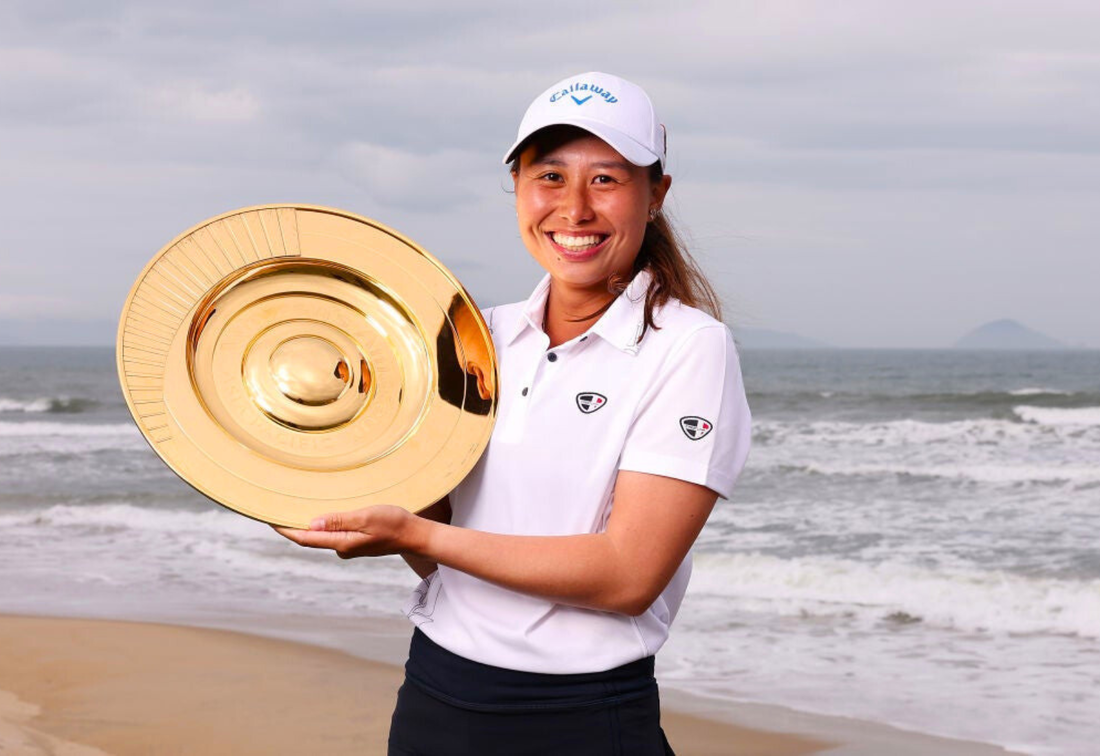
Jeneath Wong shines at WAAP, breaks into World Amateur Golf Top-100Melbourne-based Malaysian golfer's victory boosts her ranking and opens doors to major tournaments
|
|
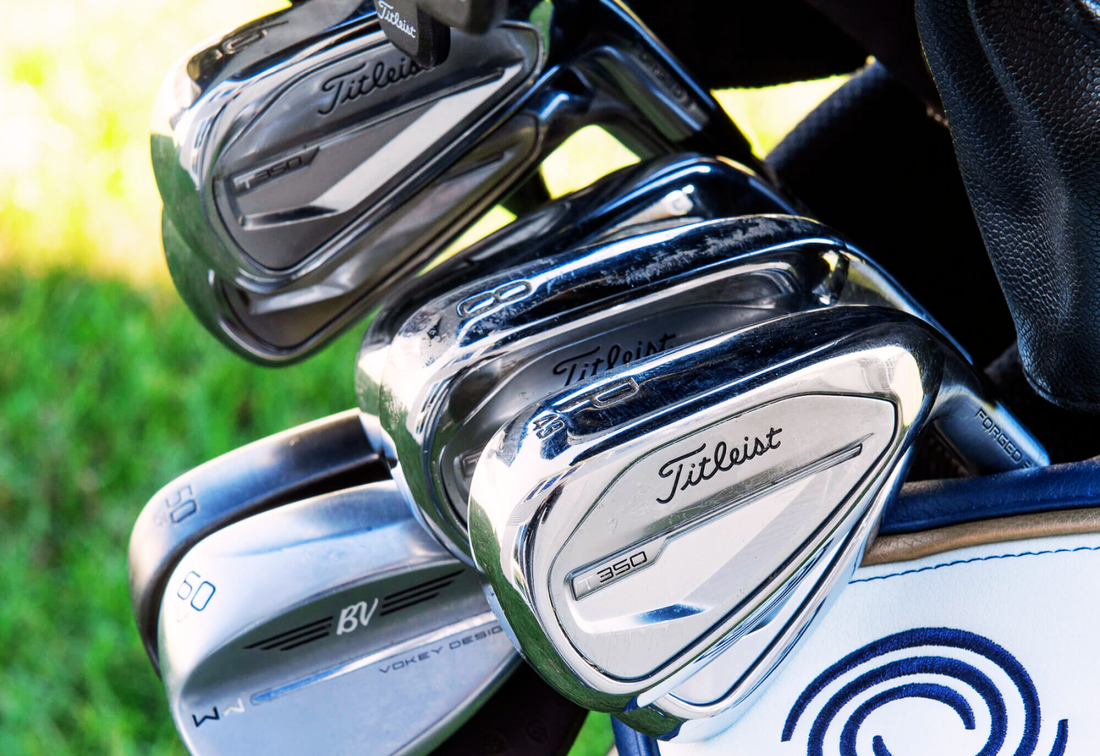
Tee off with confidence: A beginner's guide to starting golfEssential equipment, costs, and tips to kick off your exciting golfing adventure!
|

|
Swinging for health: Discover the benefits of golf for body and mindHow golf can enhance your well-being and connect you with others
|
|
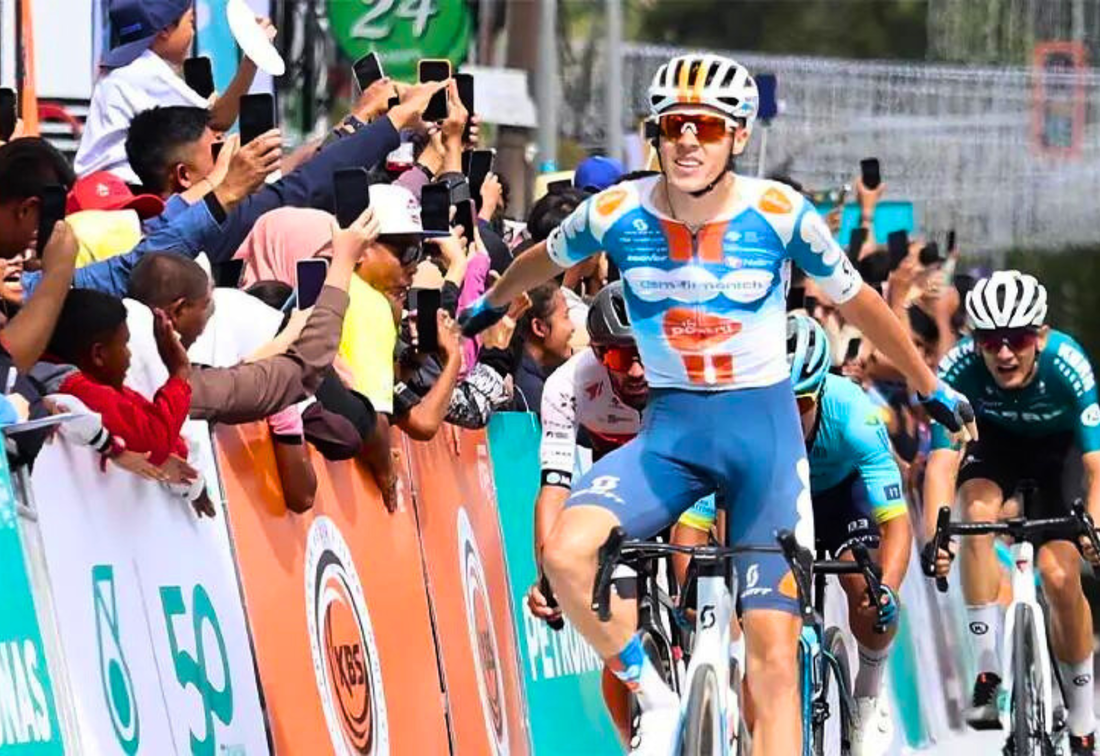
David Max Poole wins stage 3 of PETRONAS Le Tour de Langkawi 2024Team DSM-Firmenich rider dominates Cameron Highlands climb, claims green and polka dot jerseys
|
|
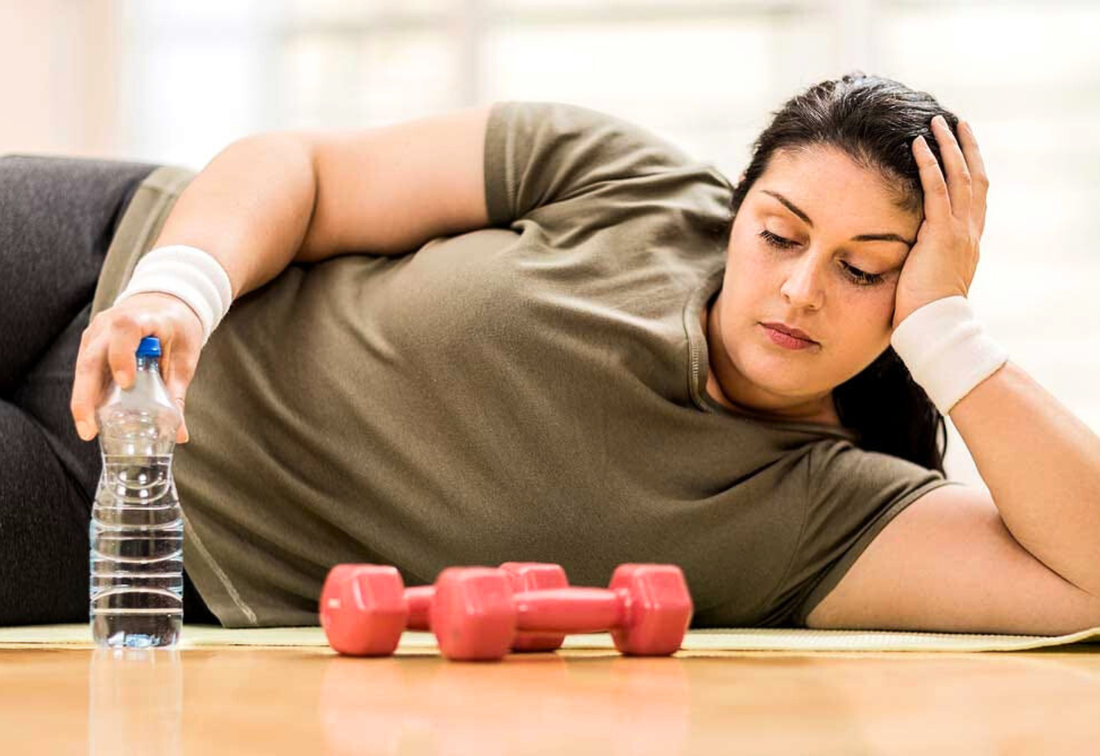
10 effective ways to find motivation for diet and exerciseFrom personal struggles to small, actionable steps, discover how to regain control over your health
|
|
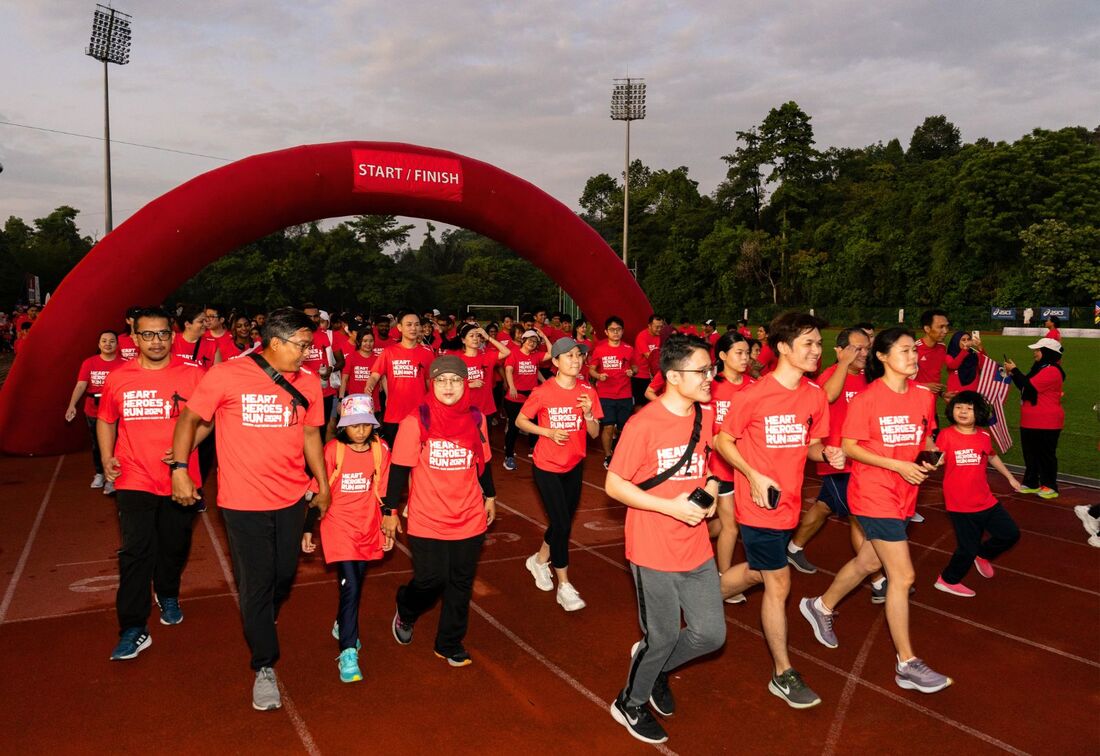
Heart Heroes Charity Run raises RM40,000 for congenital heart diseaseEnhancing pediatric cardiology and aiding low-income families
|
|
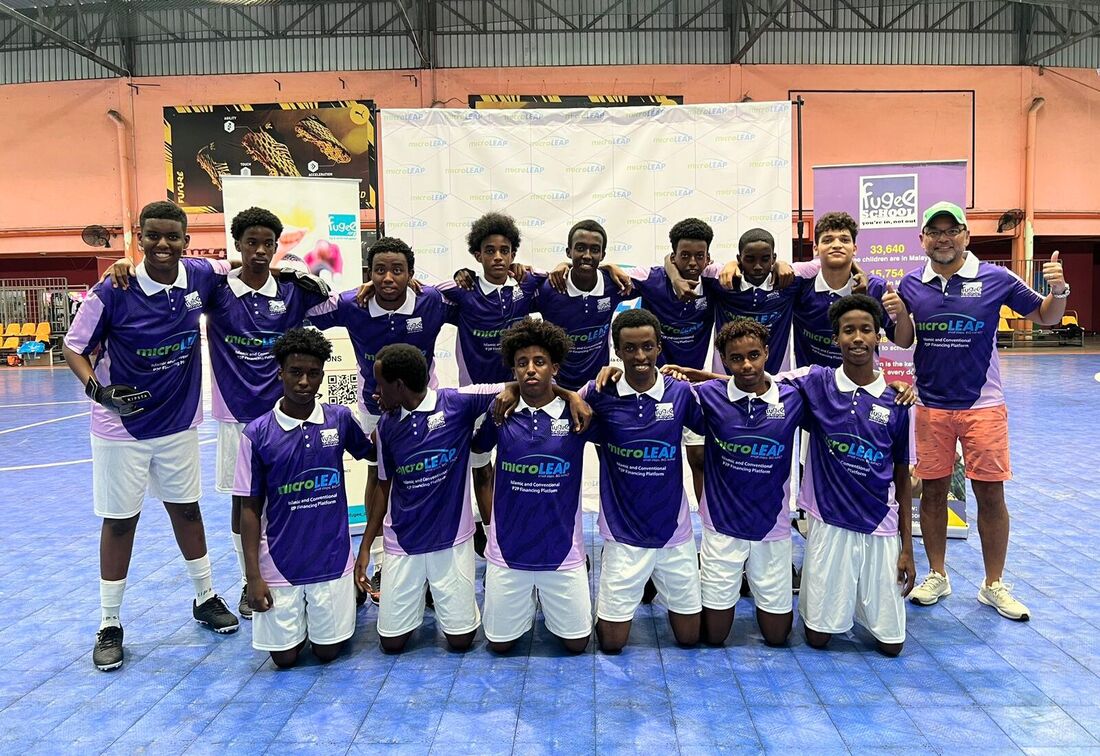
Championing resilience: microLEAP sponsors Fugee School teams for Faisal Cup 2024Join the team on July 13 at National Stadium Bukit Jalil
|
|
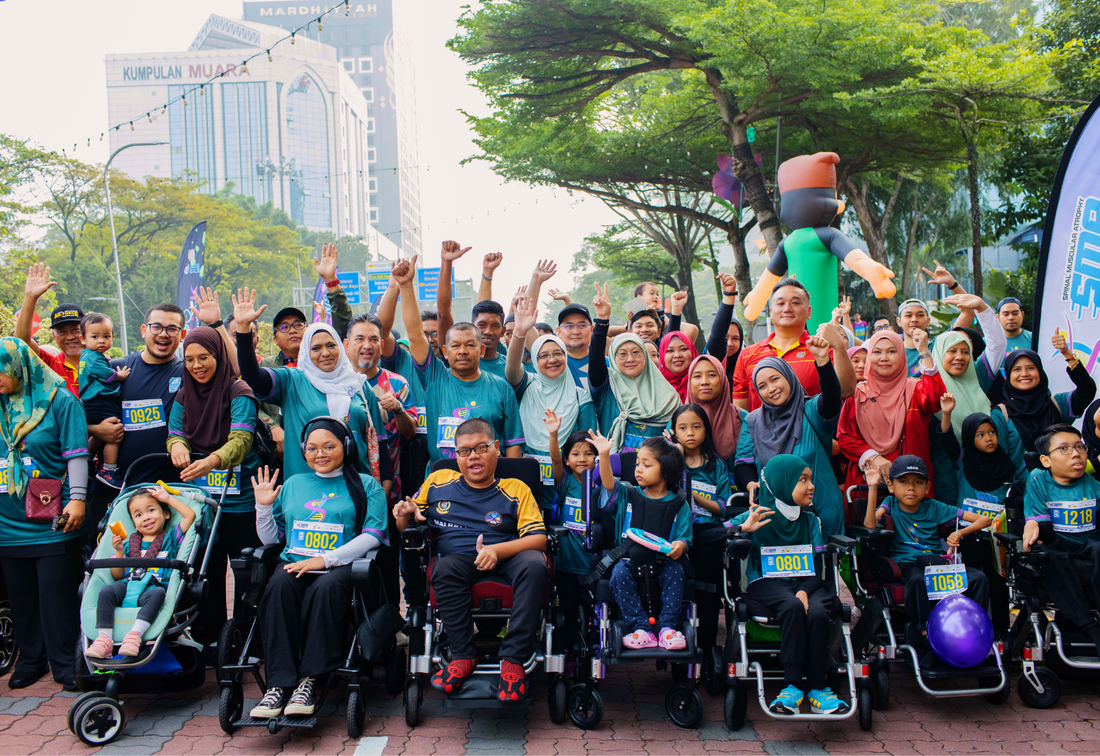
1500 run in support of those impacted by spinal muscular atrophyCreating awareness on the challenges by those facing this rare disease
|
|
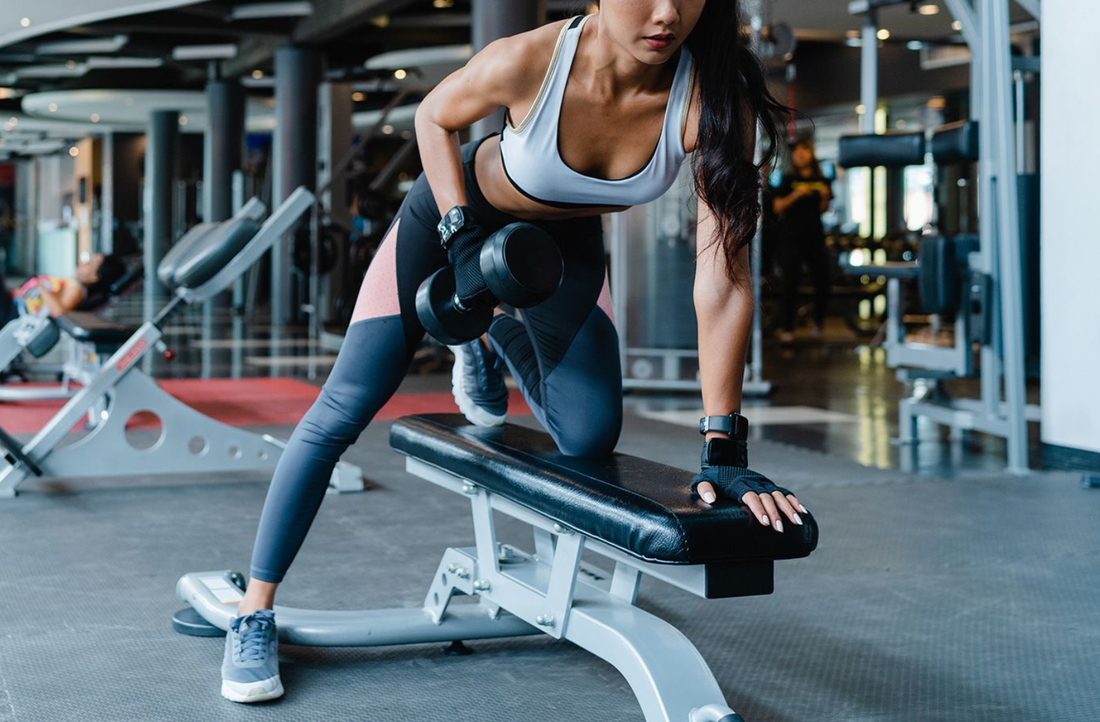
Exercising in harmony with your menstrual cycle: A guide for womenCreate an exercise routine that aligns with your natural fluctuations.
|
|
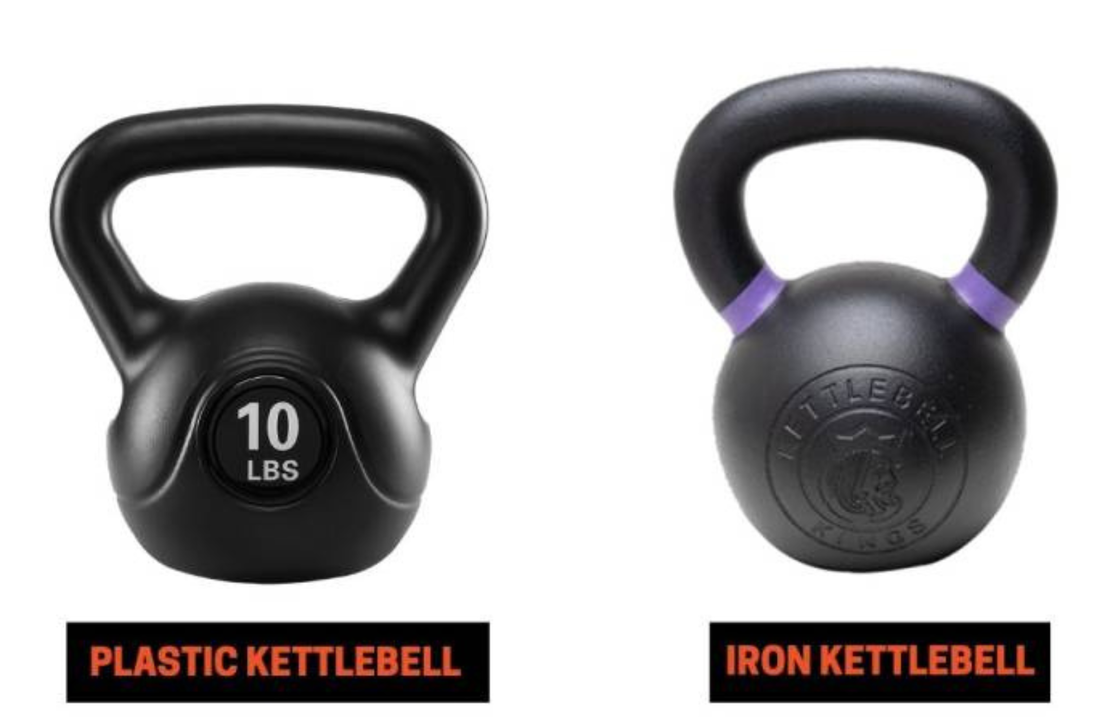
Plastic vs. metal kettlebells: Exploring the ideal choice for beginnersCompare materials, weight ranges, cost, and safety for an informed decision.
|

|
Dive into health: The transformative benefits of scuba divingDiscovering the underwater world with Hadry Hyzan
|
|
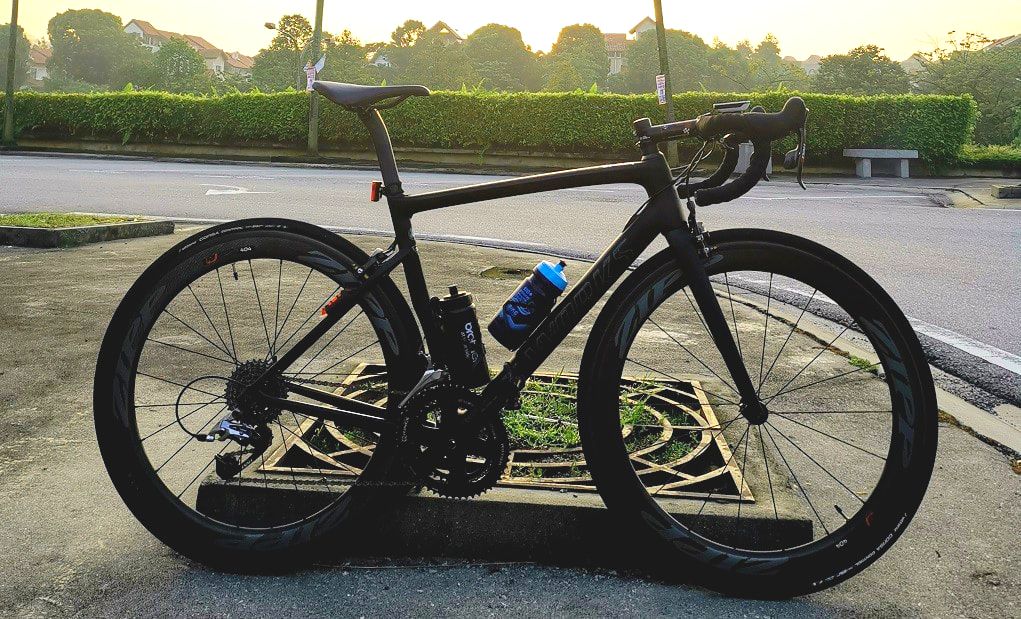
I finally took the plunge! I cycled to work for the past weeks...30kms per dayA journey of self-discovery and professional growth
|

|
IT admin head; Kahlil Abdul Hakim uses capoeira to stay in shape
Embracing flexibility: Overcoming common myths in Capoeira practice
|

|
Deep breathing exercises to boost focus and energyMastering abdominal breathing: The key to deeper oxygenation and relaxation
|
|
Nana Al Haleq's journey into weightliftingUnleashing strength: From childhood athlete to fitness icon
|
|
Stretch and strengthen muscles with gyratonic and gyrokinesis movements
Discover total body wellness at Beyond Movement
|

|
Dato Ir Wong Wai Ching speaks on teeing off and RMAF golf courseFinding relaxation on the greens
|
|
Sazali Samad still going strong at 51Defying age with discipline and nutrition
|
|
ALTY Orthopedic Hospital empowers National Blind Football Team
Comprehensive support for visually impaired athletes
|