Practicing self-compassion in your senior years
February 12, 2026

Pause, breathe, and rest—self-compassion means slowing down, listening inward, and giving your body and mind the time and care they quietly need.
There comes a stage in life when strength feels different from what it once was. The body slows. Energy dips without warning. Nights grow longer, and sleep becomes lighter. Illness visits more easily. And sometimes, despite family, friends, or partners, there are quiet moments when we find ourselves alone with our thoughts.
In those hours, especially at night when the house is still and discomfort feels louder, many older adults ask the same question: how do we cope with feeling weak, unwell, or vulnerable when no one else is around? According to Ko Teik Yen, Clinical Hypnotherapist, Psychotherapist and Mindful Therapist, who spoke at the Supporting Mental Well-being Together, Rewirement not Retirement conference, the answer begins with something simple yet often overlooked — how we speak to ourselves during our most fragile moments. Help is available, he explained, but the first form of help is the language we use internally. Breaking down mental health stigmas Many mental health struggles are still misunderstood. Anxiety, depression, or emotional distress are sometimes labeled as weakness, a lack of willpower, or even spiritual failure. Some people attribute these experiences to external forces or shameful causes. This creates a heavy burden. Instead of seeking support, individuals blame themselves. When anxiety arises, a person may think, “Why can’t I be strong?” or “Why can’t I control this?” There is also a lingering belief that mental illness is not a real illness. Yet emotional pain is as real as physical pain, even if it cannot be seen. Teik Yen invited the audience to reflect on a simple memory: falling down while walking. What is the first reaction? Most people do not check for injury. Instead, they quickly look around to see if anyone noticed. Embarrassment appears before pain. The instinct is to get up immediately, brush it off, and pretend nothing happened. Our fear of judgment Why? Often, it is the fear of judgment. This fear is not new. It may have been conditioned from a young age. Many grew up in environments where mistakes were met with scolding rather than reassurance. Instead of hearing, “Are you hurt?” children were often corrected or blamed. Over time, this response becomes internalized. As adults, people begin to scold themselves. When tired, they call themselves lazy. When anxious, they call themselves weak. When sick, they feel guilty for resting. Even something as natural as wanting extra sleep can feel like failure. Learning from our animal companions Teik Yen compared this to animals at home. Dogs and cats do not debate whether they deserve rest. When they are tired, they sleep. They do not judge themselves or worry about how they look to others. Rest is simply part of caring for their bodies. Yet humans often deny themselves that same kindness. During working years, schedules are strict and responsibilities are heavy. But after retirement, when the body truly needs more recovery time, many still resist resting. They feel they must stay productive or fear being perceived as idle. This resistance can prevent genuine recovery. “You’ve already done your part,” Teik Yen shared. After years of contributing to society, perhaps it is time to allow space for self-care — sleeping earlier, resting longer after a busy day, or slowing down when needed. He described this as having the courage to care for oneself. Still, judgment does not only come from others. It often comes from within. The impact of self-judgment When individuals treat themselves harshly, it becomes difficult to treat others with patience or compassion. The inner voice shapes outward behavior. If that voice is critical, relationships may become strained. Some adults feel dread when returning to their hometowns or answering calls from aging parents who constantly complain. At the same time, elderly parents may feel lonely and unheard, expressing their pain through frequent complaints. This creates tension on both sides. Loved ones feel pressured, while older adults feel neglected. Over time, the emotional distance grows. Teik Yen suggested that the starting point is not changing others but returning inward. The journey inward “The journey inward,” he said, “because our outer world is a reflection of our inner world.” By learning to be gentler with ourselves — more patient, more understanding — that same gentleness naturally extends to others. Kindness given inward becomes kindness offered outward. Without self-compassion, bitterness can build. People may begin listing sacrifices they have made or expecting appreciation in return. They look for validation from achievements or from others’ recognition. Yet external validation is rarely lasting. The more sustainable source of fulfillment comes from within. Instead of asking, “Why is this happening to me?” or “Why am I like this?” Teik Yen encouraged a different question: “What do I need right now to take care of myself?” This shift moves the focus away from blame and toward care. Understanding self-compassion Self-compassion may be as simple as allowing more time — more time to rest, more time to recover, more time to breathe. In modern life, time often feels scarce. Yet giving oneself permission to slow down can be deeply therapeutic. He introduced a small practice: pause, breathe in, close your eyes if comfortable, place one hand on the chest and another on the waist, and simply allow the moment. In times of sickness or weakness, instead of resisting the experience, ask gently what the body and mind need. Often, the answer is basic: rest, hydration, medication, or simply reassurance. Trusting our natural instincts Nature offers a reminder. When animals are ill, they rest. After resting, they instinctively seek what helps them recover. They do not attend medical school, yet they listen to their bodies. Humans also have this instinct, but it is often drowned out by judgment and expectations. Doctors and medicine support healing, but the body itself does much of the recovery. The same perspective applies to mental health. Labels such as “crazy,” “emotional,” or “dementia” can create stigma. Teik Yen urged people to pause before labeling. Behind every condition is a person sharing the same humanity. Just as diabetes or high blood pressure are real medical issues, mental illness is real too, even if invisible. Compassion helps reduce stigma. When individuals treat themselves with understanding, they become more empathetic toward others facing similar struggles. Seeking professional help when needed For more serious symptoms, professional help is important. Hearing voices, for example, may indicate psychosis or schizophrenia. In such cases, psychiatrists and appropriate medication can be highly effective. Treatment may involve both medication and psychotherapy, working together rather than excluding one another. Early intervention matters. Delaying treatment can make conditions more complicated over time. At the same time, everyday healing begins with small, consistent practices. The power of mindful communication Teik Yen emphasized awareness of the words we use. Are they kind? Are they helpful? Are they necessary? Harsh self-talk adds weight to already difficult moments. Gentle language can lighten the load. The change starts quietly. It begins with asking: Can I be kind to myself today? Can I be patient with my limitations? Can I allow myself to rest without guilt? For many seniors, these questions mark a shift from striving to simply being. Aging brings its share of challenges — illness, loneliness, uncertainty — but it also brings the opportunity to care for oneself with greater wisdom. Instead of fighting vulnerability, one can respond with understanding. In moments of weakness, rather than seeing failure, there can be acceptance. In times of sickness, rather than shame, there can be rest. And in periods of solitude, rather than harsh judgment, there can be quiet compassion. Sometimes, the most powerful support is the one we offer ourselves. |
EXPLORE FURTHER
|
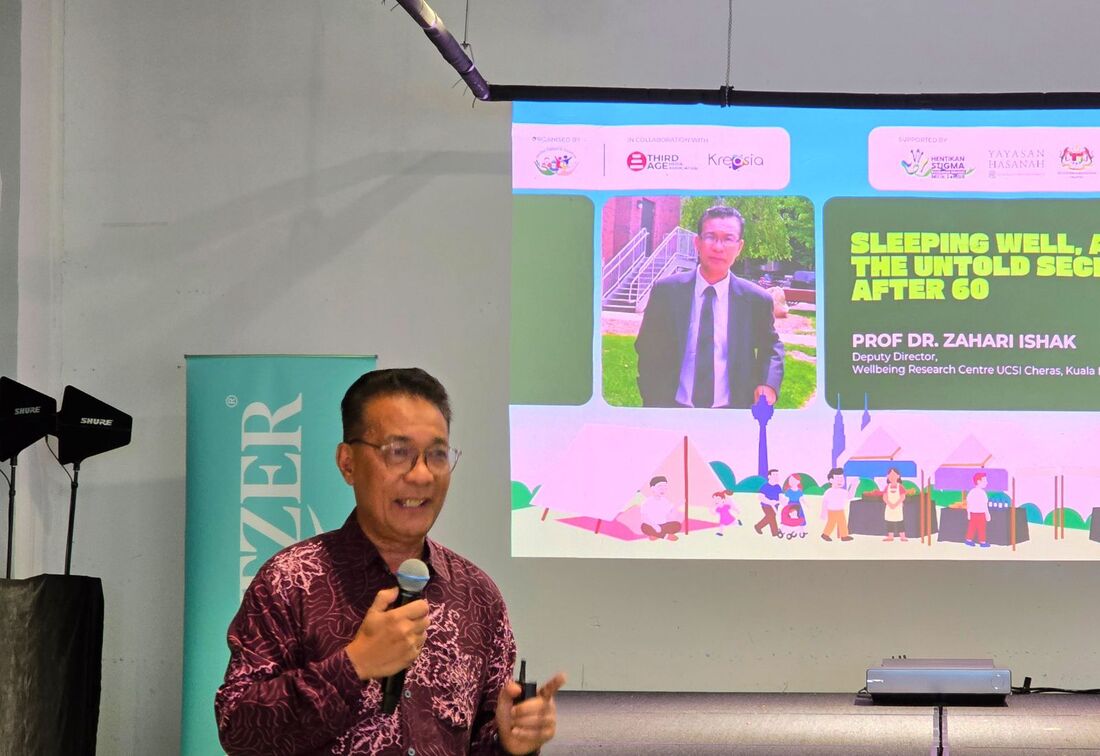
Why your dreams and sleep matter more after sixtyIs feeling tired and low an inevitable part of aging?
|
|
OP-ED: Malaysia's aging revolution: From healthcare crisis to opportunity for dignityMaintain a failing hospital-centric model or build a compassionate new system that honors its elders?
|
|
Drug-drug interactions in the elderly: Uncovering the hidden dangers of prescription overloadOne in five older adults prescribed potentially inappropriate medication—raising concerns over safety, interactions, and fall risks
|
|
Men from mitochondria, women from telomeres: Ageing was never meant to be equalThe diverging paths of ageing and how we can foster a healthier ageing process
|
|
Unlocking active ageing beyond chronological yearsHow can we increase the health span years free from age-related diseases?
|
|
Palliative care: A vital support for our golden yearsThe growing need for specialized care in an aging population
|
|
Choosing the right nursing home: A crucial decisionUnderstanding needs and ensuring proper care for loved ones
|
|
Improving communication with older adults: Compassionate strategies matterEffective, empathetic communication reduces isolation in aging populations
|
|
Anti-aging breakthroughs: How safe and effective are metformin, NAD+, rapalogs, and resveratrol?
Delving into the science behind anti-aging therapies to extend lifespan
|
|
Unlocking employment potential: A path to active aging after retirementHow do older employees face bias from employers?
|

|
Empowering families through the Lasting Power of AttorneyLPA doesn't affect fara’id, valid only during lifetime
|
|
Next of kin: Determining authority in critical healthcare decisionsShould it be the family, healthcare providers, or a legal representative?
|

|
Malaysia faces aging crisis: Urgent call for Mental Capacity Act
Supporting our aging population with essential legal and medical frameworks
|

|
Retirement reimagined: Navigating entrepreneurship in your golden years |
|
Addressing aged care needs: Issues and concerns |

|
Preventing bedsores in bedridden senior citizensPreventive measure to significantly reduce the likelihood of bedsores developing
|
|
Fun activities for bedridden seniors and seniors with limited mobilityCheck out our list of activities to keep your loved ones happy and active
|
|
Older persons urged to take vaccination to prevent from fluImpact of flu on people with diabetes
|
|
The art of wheelchair to car transfer for caregiversGetting into and out of a car can be easily done with proper transfer technique
|

|
A caregiver's guide to senior bathing and hygieneTips for effective home care and cleaning
|
|
Senior care: Differentiating day and night diapers for optimal comfortThe differences between day and night diapers for seniors and how often diapers should be changed
|

|
When the need arises to obtain a hospital bed for use in your homeDistinguishing between hospital beds and adjustable beds
|
|
Safeguarding senior citizens from the insidious threat of influenzaTax exemption for flu vaccination from 2021
|

|
Are you getting shorter as you age?Rapid bone loss after menopause
|
|
Disrupted sleep and daytime sleepiness in older adultsA serious disorder in people aged over 65 years old
|

|
Dry mouth not part of ageing, says dentistXerostomia is particularly prevalent among older people
|

|
The risk of getting shingles increases as you ageOnce you’ve recovered from chickenpox, the virus continues to live in your nerve
|
|
Tinnitus: The bothersome perception of noise in older adultsRinging in your ears, involves a wide variety of noises
|
|
Growing strong with age: How you can experience life-changing benefits with regular exerciseImprove mental health and maintain independence
|

|
Getting over retirement guiltActionable steps for a brighter outlook
|
|
Recent innovations in healthy ageingProactive assessment and preventive regimens for optimal health
|
|
Elder abuse and neglect for family members and carersA Malaysian narrative
|