PrEP or PEP: Which HIV prevention option is right?August 5, 2026
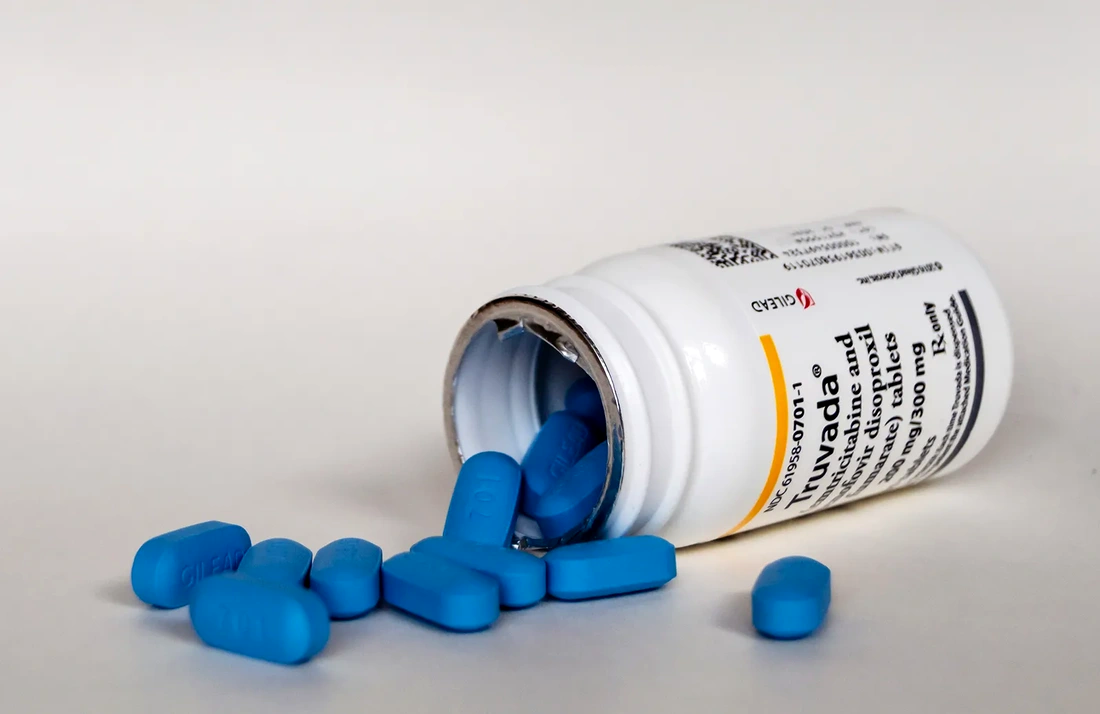
Oral PrEP remains the standard option in many regions, including much of Malaysia, where injectable PrEP is not yet widely accessible.
Forty years ago, an HIV diagnosis was widely regarded as a death sentence. Today, thanks to extraordinary advances in medical science, HIV has become a manageable chronic condition for millions of people worldwide.
Yet, as HIV treatment enters a new era, the goals of therapy are changing. The history of HIV treatment The monotherapy era (1987–1995) The first breakthrough came in 1987 with the approval of zidovudine (AZT), the world's first anti-HIV medication. Interestingly, AZT was originally developed in 1964 as a potential cancer treatment before scientists recognized its activity against HIV. Although AZT represented a historic milestone, using a single drug was not enough. HIV mutates rapidly, allowing the virus to develop resistance and reducing the drug's effectiveness over time. The HAART revolution By 1996, physicians were treating HIV with three antiretroviral drugs simultaneously—a strategy that became known as Highly Active Antiretroviral Therapy (HAART). This "triple therapy" transformed HIV care. For the first time, doctors could reduce the amount of virus in the bloodstream to undetectable levels, dramatically reducing AIDS-related illness and deaths. What had once been a rapidly fatal disease became a chronic, treatable condition. Beyond treatment: Preventing HIV Modern HIV care is equally focused on prevention. Pre-exposure prophylaxis (PrEP) has transformed HIV prevention among people at increased risk of infection. Initially available as a daily oral tablet, PrEP is now expanding to include long-acting injectable formulations, with implantable technologies also under development. According to the World Health Organization (WHO) and the US Centers for Disease Control and Prevention (CDC), PrEP is one of the most effective public health strategies available today. It has dramatically reduced new HIV infections worldwide. Initiate HIV PreP using Tenofovir/Emtricitabine 1 tablet daily, either before exposure to HIV or immediately after a possible exposure to stop infection before it becomes established. Think of it as two powerful tools: 
HIV infects the body through several steps. After entering the bloodstream, the virus seeks out CD4 T-lymphocytes, the key cells that coordinate the immune system. Once inside these cells, HIV copies its genetic material before producing thousands of new viruses.
To replicate, HIV must convert its RNA into DNA using an enzyme called reverse transcriptase. Medicines used for PrEP and PEP—such as tenofovir and emtricitabine, together with other antiretroviral medicines when appropriate—interfere with this replication process. The World Health Organization recommends long-acting injectable cabotegravir (CAB-LA) as an additional HIV prevention option for people at substantial risk of HIV infection. However, availability differs between countries. Oral PrEP remains the standard option in many regions, including much of Malaysia, where injectable PrEP is not yet widely accessible. PrEP may benefit people who:
PEP is emergency HIV prevention that is started after a possible exposure. Examples include:
Timing is critical Current WHO and CDC guidelines recommend a 28-day course of a three-drug antiretroviral regimen for most adults and adolescents. Modern regimens are highly effective, well tolerated, and simpler than older treatment combinations. The goal is to stop HIV before it permanently establishes infection within the body's immune cells. PEP is not a "morning-after pill." It is a complete 28-day medical treatment that requires assessment, prescription, and follow-up by a healthcare professional. PrEP does not prevent other sexually transmitted infections PrEP protects against HIV but does not prevent:
You must have a negative HIV test before starting PrEP. PrEP is designed for prevention—not for treating established HIV infection. Regular medical follow-up is essential People taking PrEP should have:
Choosing PrEP is simply choosing prevention. Just as wearing a seatbelt reduces the risk of injury, PrEP reduces the risk of HIV infection. It is a responsible healthcare decision—not a reflection of one's character or lifestyle. The bottom line HIV is one of the few serious viral infections that can often be prevented with modern medicine. Whether through PrEP before exposure or PEP immediately after an unexpected exposure, highly effective preventive treatments are available. In Malaysia, assessment and treatment are available through government hospitals, Infectious Disease Units, sexual health services, and many primary care clinics. |

EXPLORE FURTHER
|
HIV-positive patients find new hope with HIV donor kidneysHow revolutionary transplant policies are transforming outcomes for HIV patients with kidney disease
|
|
Combating HIV stigma in healthcare and beyondHIV dialysis patients don't need isolation: Why are some policies still 25 years behind?
|
|
Public health depends on human rightsThe key to ending HIV/AIDS
|
|
Early treatment for HIV halts brain damage, improves life expectancy |