Proper assembly of child car seats: A safety essentialUpdated January 28, 2025

In the fifth edition of the BMW Safety 360° Program, BMW Malaysia has partnered with Childline Foundation – a non-profit organization focused on the awareness and education of child safety and protection, to launch ‘From Day One’. The campaign aims to advocate the importance of child car seats, especially for newborns.
Every collision has three crashes and children are most at-risk Every collision begins with the vehicle crash; when the vehicle hits something, it crushes and absorbs some of the crash forces. This is followed by the human crash; when the human body moves toward the point of impact at the vehicle’s original speed due to momentum – coming to a complete stop when it hits a seat belt, an airbag, or the car windscreen if not buckled in securely. The third crash is the internal crash, whereby a person’s internal organs are still moving forward until they hit the bone structure of the body. The fragility of a child’s body makes children the most at-risk passengers in a vehicle. As seat belts are not designed for infants or young children, the optimum protection would be child car seats. When correctly installed and used, child car seats can reduce infant death in car crashes by 71% and toddler deaths by 54%. The anatomy of a child car seat and how it reduces force The shell of the seat forms the basis of the child car seat and is purpose-built for a child’s proportion. The shell absorbs most of the collision force and distributes it over a wide area of the child’s body. This reduces the amount of stress on any single body part of the child when rear-facing. Within the shell are energy-absorbing foam and padding that hug the child’s body; they are also known as side impact protection. This mainly protects a child against side collisions, especially the head. The five-point harness which is designed to hold the child in place also helps to distribute the force during a collision. The five points of contact are both shoulders, both hips and between the legs. This differs from vehicle seat belts, which are designed for adult proportions. Choose the right car seat Choosing the right child car seat is equally as important as using one. The rear-facing infant car seat can be used from birth to 13kg; while the convertible car seat and 3-in-1 convertible car seat can be used from birth to 18kg and from birth to 25/36kg respectively. Infants and toddlers should ride rear facing until at least 13kg or 15 months old. For better protection, opt to remain rear facing until the maximum weight stated on the child car seat or when the child’s head reaches the top of the shell, whichever comes first. It is recommended that parents opt for high back booster seats as compared to backless boosters. This is because a high back booster provides necessary head support. Some high back booster car seats function with a five-point harness for children up to 18kg and can later be used with a seat belt for children up to 36kg. Keep your child rear-facing for as long as possible Of all fatal and serious car crashes, 72% of that is from a frontal collision in which case, a rear-facing car seat is more likely to reduce injury. A rear-facing car seat touches every point on the child’s back which allows the force of impact to be better absorbed by the well-padded seat. Upon impact, a rear-facing car seat distributes the force evenly across the child’s back and neck while providing support. A forward-facing car seat, meanwhile, does not distribute force nearly as well. During a collision, the child’s body will be held back by the five-point harness. However, the head will be thrown forward and this could possibly result in severe neck injury. How to place and install a child car seat Most collisions are frontal so, the safest place to install a child car seat is at the back. Parents can also check the vehicle manual for the best position to install a child car seat. Never put a rear-facing car seat in the front passenger seat with active airbags. When installing the child car seat, remember to ensure the base of the child car seat rests firmly on the vehicle seat; it should not pivot, slide, wobble or tip. The child car seat is still too loose if it moves more than an inch forward or to the side. Use the lock-off clip, if provided, to ensure the child car seat stays secured. How to buckle your baby in a child car seat Before buckling the baby in, make sure he or she is dressed comfortably in thinner clothing. Parents should not swaddle their babies before putting them into a child car seat. After buckling the baby in securely, a light blanket can be snugly tucked around the baby. After harnessing the baby into the child car seat, parents should conduct the two-finger test. Simply slide two fingers under the pad by the collarbone and rotate the fingers by 90゚. If the fingers can rotate, then the harness is still too loose and should be tightened. Consider the safety standard when choosing a child car seat It is recommended to look for a child car seat with the ECE R44-04 certification. This information can be easily found on the child car seat itself; often on an orange sticker on the back or side of the child car seat. This sticker also indicates ‘UNIVERSAL’ or ‘SEMI-UNIVERSAL’ which notes the types of vehicle for which the child car seat is approved for. According to World Health Organization (WHO), a child up to 4 years of age has an 80% lower risk of injury in a rear-facing seat and for children aged 5 to 9 years, child car seats reduce injury by 52%. |
EXPLORE FURTHER

|
Are all baby skin care products truly safe to use?Ingredients that can cause dryness and allergies in baby’s skin
|

|
Food allergies in children can be life threateningDoes a food diary really help?
|
|
Japan's ultimate gaming bed: Balancing entertainment and real-life for teensWhat are its impact on teenagers?
|

|
When teens speak about the opposite sex: How parents can respondGuidance for discussing opposite sex with teen without judgment
|
|
Disturbing trend on TikTok: Cracking eggs on children's foreheads for entertainmentDelicate balance between entertainment and children's emotional well-being
|

|
The ultimate hospital bag checklist for mom and babyA significant step towards a stress-free birthing experience
|
|
Ultrasound to detect abnormalities in pregnancyDetecting abnormalities during different stages of fetal development.
|

|
Postpartum hernia: A common occurrence following a C-sectionPelvic floor exercises during pregnancy
|

|
Should you swaddle your baby?We might think that it is actually uncomfortable, because we ourselves do not want to be that way
|

|
Sudden Infant Death Syndrome (SIDS): Causes, safe sleeping practices, and co-sleeping concernsCot death or crib death
|

|
Do you have enough milk to breastfeed your baby?A good latch increases milk supply
|

|
Butterfly children with skin as fragile as a butterflyEpidermolysis Bullosa causes the skin to blister - becoming fragile even at the slightest touch
|

|
Thumb sucking and pacifier use in children affects the bite says dentistThumb sucking causes the teeth to proclinate outwards
|
|
Liquids with natural sugars linked with baby bottle tooth decayChildren who suck on pacifiers dipped in sugar or syrup are equally at risk.
|
|
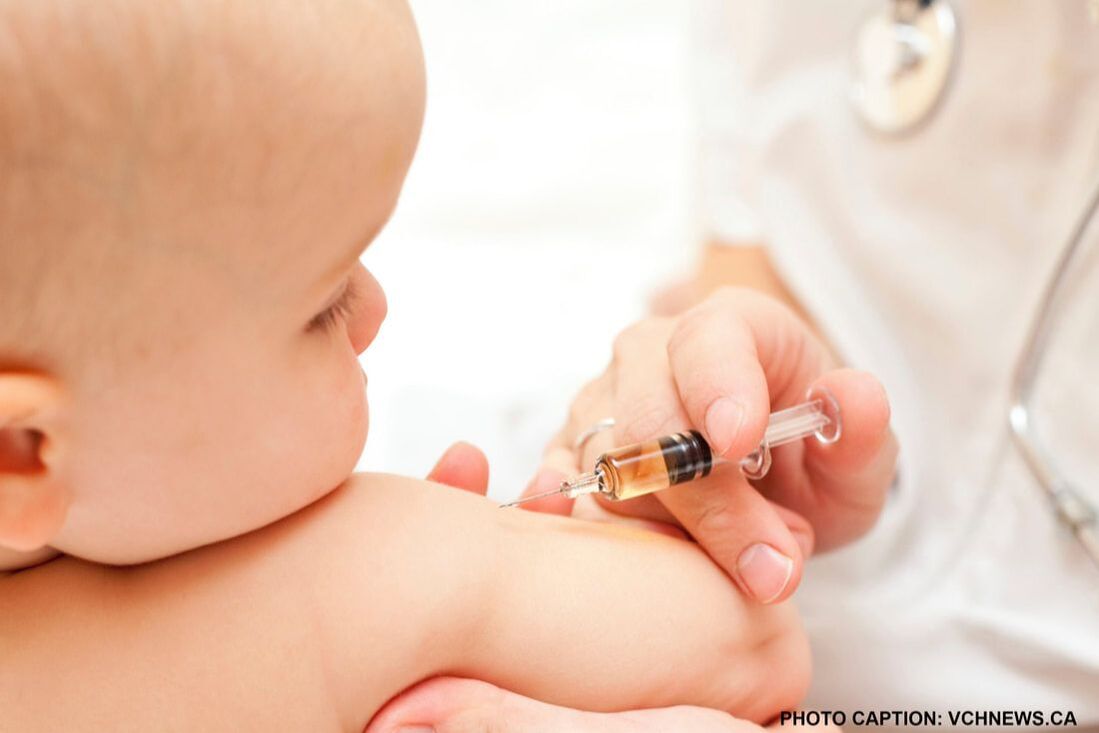
Debunking myths and reinforcing facts on vaccinationPerak, Terengganu and Pahang record highest number of anti-vaxxers
|

|
Is it ADHD or other developmental disorders?When one toy may not be enough
|

|
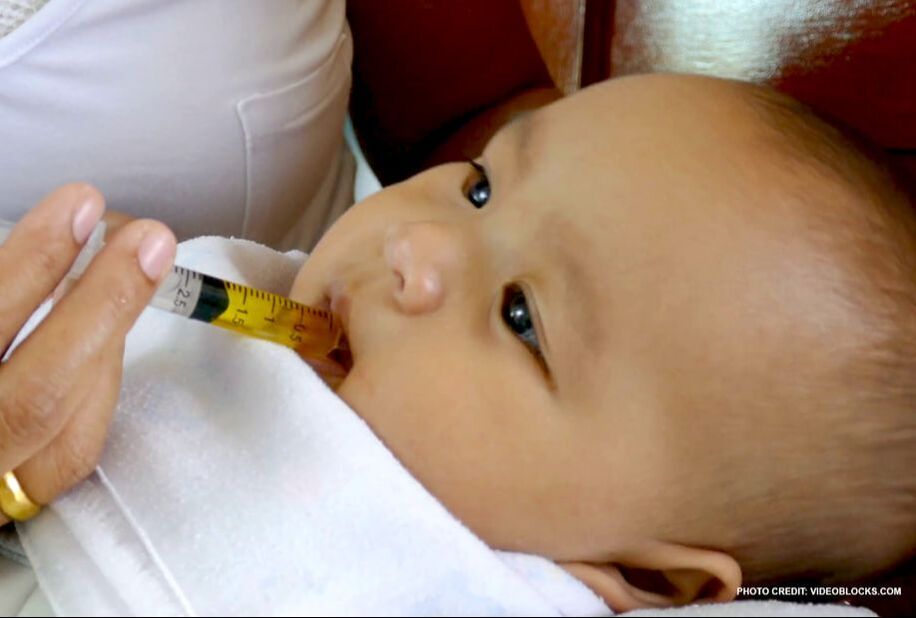
Food allergies in children can be life threateningDoes a food diary really help?
|
|
Paracetamol use in childrenToo much paracetamol can cause liver problems
|

|
Guide to winning your child's tantrums on your next road tripFive tips to ace your vacation
|

|
Is my child too short?How do you determine if your child is growing well?
|

|
Identifying Hand-Foot-And-Mouth disease in your childA contagious disease that spreads through touch, saliva and stool
|

|
Breastfeeding as a natural cure for jaundice?Breastfeeding babies lose jaundice in the third week.
|

|
Hemorrhagic disease of the newborn (HDN) as a result of Vitamin K deficiencyBleeding in infancy develops in the first days and weeks of life
|

|
What parents need to know about the 6-in-1 vaccine under the National Immunisation Program for infants and children |

|
Coronavirus: Babies vaccine schedule should not be delayedAre clinics safe? Is there a risk of catching the disease from the attending nurse or doctor?
|

|
Partner participation helps mother breastfeed longer, says studySupport helps mothers breastfeed longer
|
|
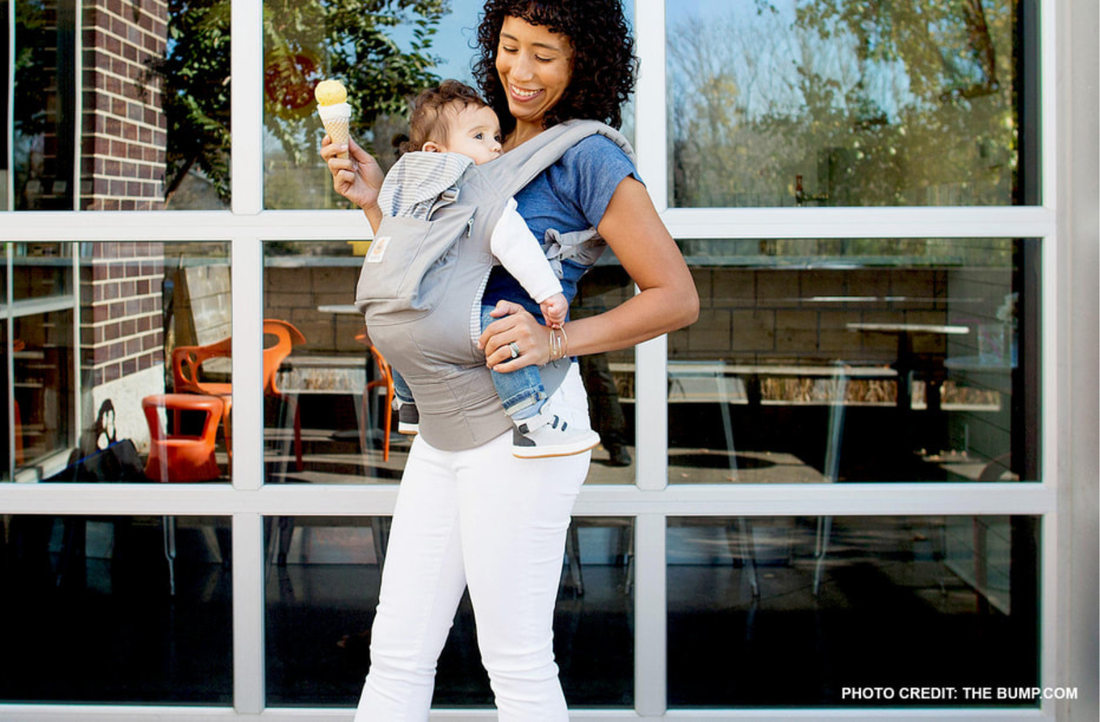
The art of babywearing: A guide to safe and convenient parentingBabywearing can be a game-changer, offering hands-free parenting
|

|
Teaching children swimming at a young age: Yay or Nay?Swimming brings lifelong benefits to children and imbue in them essential life skills.
|
|
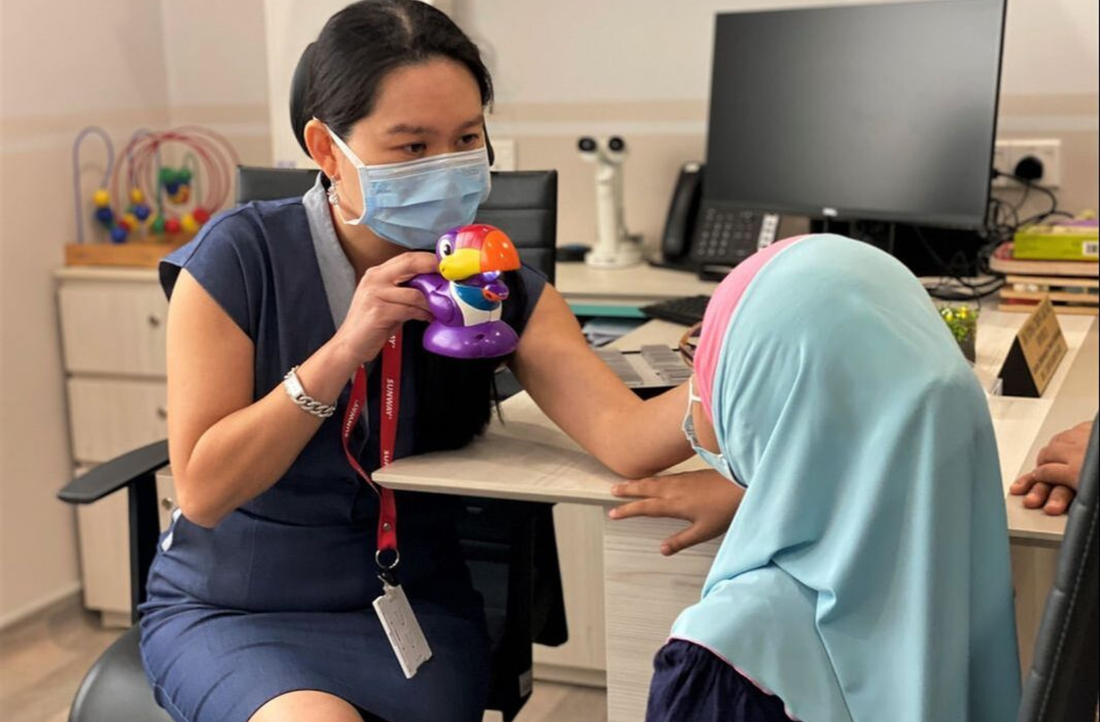
Squint treatment for children: A life-changing experienceChildren with reduced vision may have delayed developmental milestones
|
|
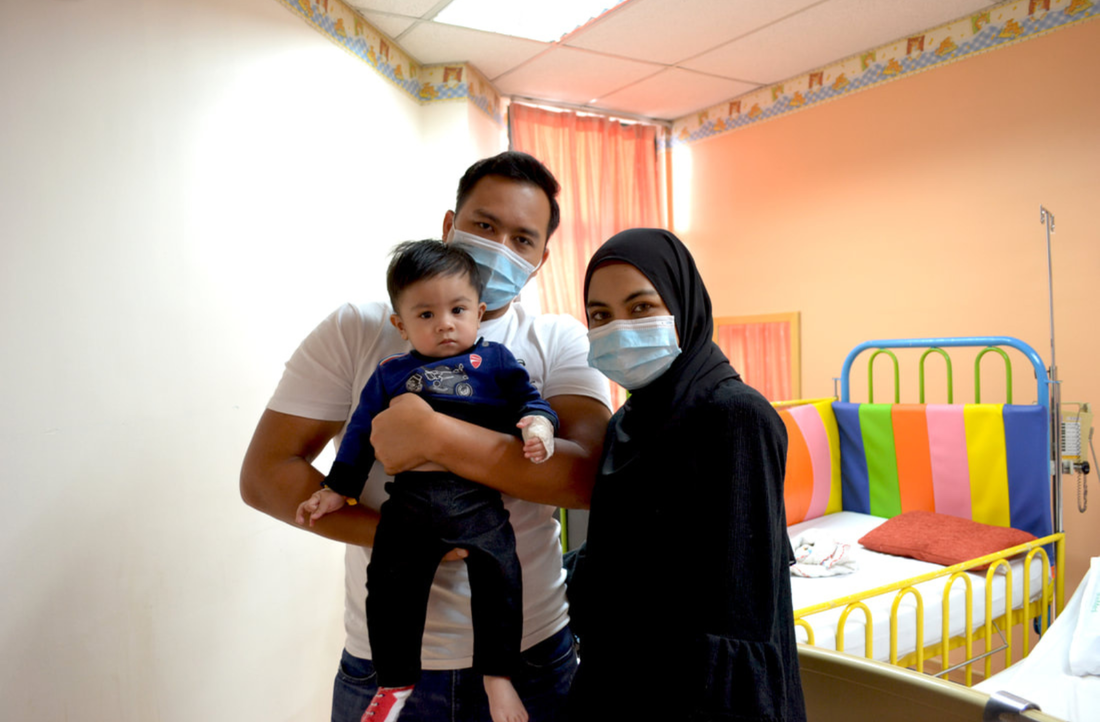
Family travels over 400km to treat 11-month old son with congenital heart defectTests confirmed that he was born with two holes in his heart.
|

|
Managing scoliosis - torsional deformity of the spine in the youngIdiopathic scoliosis is more apparent during an adolescent’s growth spurt
|

|
Your developing child - How milestones play an important roleEarly experiences can influence lifelong learning and health.
|