The risks of conceiving after 40: What women should knowJanuary 13, 2025

Motherhood is a priceless journey, and for many Malaysian women, the decision to embrace it later in life is becoming increasingly common. This shift reflects evolving societal priorities, including career advancement, financial stability, and personal aspirations, alongside factors such as health considerations and even second marriages. Recent data shows that the percentage of Malaysian women giving birth after the age of 35 has risen from 20.8% in 2017 to 23% in 2022, making the country the second highest in South-East Asia for babies born to women of advanced maternal age.
The financial demands of raising children have also played a role in shaping this trend. According to the Credit Counselling and Debt Management Agency (AKPK), the estimated cost of raising a child from birth through university, can reach as high as RM1.37 million. These realities, coupled with the rising costs of childcare and education, have prompted many women to plan for motherhood later in life, ensuring a more stable and supportive environment for their family. Understanding late pregnancies While all pregnancies carry certain risks, women over 40 are at a higher risk for medical and obstetric complications, including chronic conditions like high blood pressure, diabetes, obesity, and heart disease, which can elevate risks for both the mother and baby during pregnancy. Recent studies show a stronger link between chromosomal abnormalities and potential congenital malformation in children born to women over 40, with the risks continuing to rise as the maternal age increases. Apart from pregnancy-related complications, women over 40 may encounter difficulties to conceive naturally. Women are born with a fixed number of eggs in our ovaries, which gradually decreases over time. By the age of 40, both the quantity and quality of eggs decline significantly, making conception more challenging. Medical innovations supporting late pregnancies The challenges of conceiving and pregnancy after 40 are now addressed with advancements in medical technology and treatments. For women experiencing difficulties conceiving, options such as in vitro fertilization (IVF) have provided a viable solution. IVF involves stimulating the eggs to grow, retrieving them, fertilizing the egg and sperm in a suitable environment, and transferring the embryo back into the womb. The entire process takes about 2 weeks. Other fertility treatment options include hormonal medications to stimulate egg growth or intrauterine insemination (IUI), although these methods typically have lower success rates compared to IVF. Infertility can stem from both male and female factors, making it important for couples who are trying for a baby to get the partner to undergo sperm test. In cases where sperm quality is suboptimal, IVF is often the most effective approach. Lastly, non-invasive prenatal testing (NIPT), also known as non-invasive chromosomal checking (NICC), is a recommended screening tool for expecting mothers from as early as 10 weeks into the pregnancy. NIPT is a blood-based genetic test that screens for chromosomal abnormalities by analyzing small fragments of fetal DNA circulating in the mother’s blood. This early and precise screening helps expecting parents make informed decisions about their pregnancy and prepares them for any necessary medical care or interventions. Preparing for a healthy pregnancy Preconception care and lifestyle changes are essential for every mother-to-be to achieve a healthy pregnancy such as maintaining a healthy lifestyle, including achieving an optimal body mass index (BMI), consuming a balanced diet supplemented with folic acid, engaging in regular exercise, and avoiding harmful habits such as smoking and alcohol consumption. Pregnant women should be screened during the first trimester within 10-12 weeks, for potential risks such as preeclampsia, cervical insuffiency, gestational diabetes, and undiagnosed medical conditions like kidney disease or heart conditions. Paternal factors, including smoking and body composition, play a crucial role in improving pregnancy and fetal outcomes. Embracing motherhood on your own terms Motherhood is a deeply personal decision, whether it happens before or after 40, shaped by individual values, aspirations, and circumstances. With advancement in medical treatments, right support systems, and proactive care, women now have more opportunities than ever to navigate this journey. From advanced screenings to a range of fertility treatments, age is no longer a barrier to achieving healthy pregnancy and thriving motherhood. |

EXPLORE FURTHER

|
Are all baby skin care products truly safe to use?Ingredients that can cause dryness and allergies in baby’s skin
|

|
Food allergies in children can be life threateningDoes a food diary really help?
|

|
Japan's ultimate gaming bed: Balancing entertainment and real-life for teensWhat are its impact on teenagers?
|

|
When teens speak about the opposite sex: How parents can respondGuidance for discussing opposite sex with teen without judgment
|

|
Disturbing trend on TikTok: Cracking eggs on children's foreheads for entertainmentDelicate balance between entertainment and children's emotional well-being
|

|
The ultimate hospital bag checklist for mom and babyA significant step towards a stress-free birthing experience
|

|
Ultrasound to detect abnormalities in pregnancyDetecting abnormalities during different stages of fetal development.
|

|
Postpartum hernia: A common occurrence following a C-sectionPelvic floor exercises during pregnancy
|

|
Should you swaddle your baby?We might think that it is actually uncomfortable, because we ourselves do not want to be that way
|

|
Sudden Infant Death Syndrome (SIDS): Causes, safe sleeping practices, and co-sleeping concernsCot death or crib death
|

|
Do you have enough milk to breastfeed your baby?A good latch increases milk supply
|

|
Butterfly children with skin as fragile as a butterflyEpidermolysis Bullosa causes the skin to blister - becoming fragile even at the slightest touch
|

|
Thumb sucking and pacifier use in children affects the bite says dentistThumb sucking causes the teeth to proclinate outwards
|
|
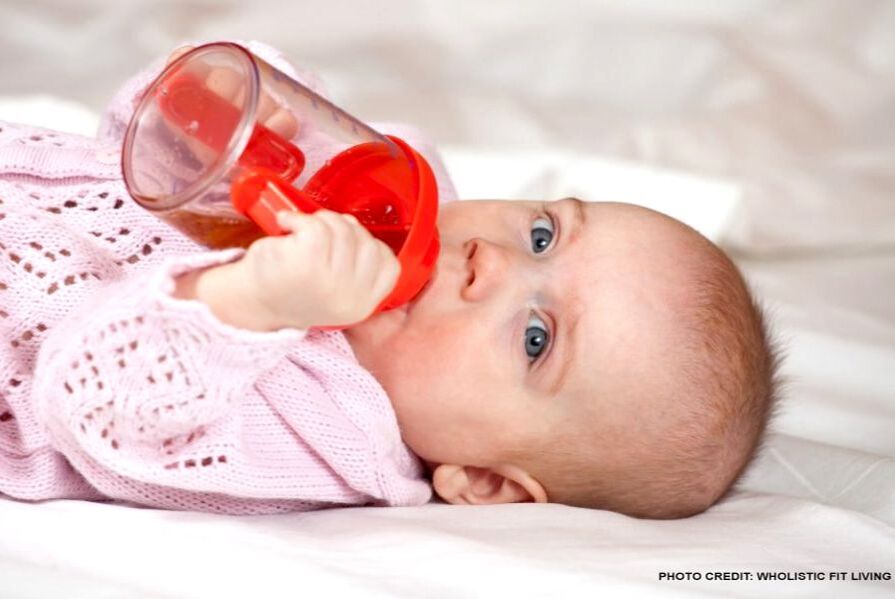
Liquids with natural sugars linked with baby bottle tooth decayChildren who suck on pacifiers dipped in sugar or syrup are equally at risk.
|

|
Debunking myths and reinforcing facts on vaccinationPerak, Terengganu and Pahang record highest number of anti-vaxxers
|

|
Is it ADHD or other developmental disorders?When one toy may not be enough
|

|
Food allergies in children can be life threateningDoes a food diary really help?
|

|
Paracetamol use in childrenToo much paracetamol can cause liver problems
|

|
Guide to winning your child's tantrums on your next road tripFive tips to ace your vacation
|

|
Is my child too short?How do you determine if your child is growing well?
|

|
Identifying Hand-Foot-And-Mouth disease in your childA contagious disease that spreads through touch, saliva and stool
|

|
Breastfeeding as a natural cure for jaundice?Breastfeeding babies lose jaundice in the third week.
|

|
Hemorrhagic disease of the newborn (HDN) as a result of Vitamin K deficiencyBleeding in infancy develops in the first days and weeks of life
|

|
What parents need to know about the 6-in-1 vaccine under the National Immunisation Program for infants and children |

|
Coronavirus: Babies vaccine schedule should not be delayedAre clinics safe? Is there a risk of catching the disease from the attending nurse or doctor?
|

|
Partner participation helps mother breastfeed longer, says studySupport helps mothers breastfeed longer
|

|
The art of babywearing: A guide to safe and convenient parentingBabywearing can be a game-changer, offering hands-free parenting
|

|
Teaching children swimming at a young age: Yay or Nay?Swimming brings lifelong benefits to children and imbue in them essential life skills.
|

|
Squint treatment for children: A life-changing experienceChildren with reduced vision may have delayed developmental milestones
|

|
Family travels over 400km to treat 11-month old son with congenital heart defectTests confirmed that he was born with two holes in his heart.
|

|
Managing scoliosis - torsional deformity of the spine in the youngIdiopathic scoliosis is more apparent during an adolescent’s growth spurt
|

|
Your developing child - How milestones play an important roleEarly experiences can influence lifelong learning and health.
|