What does lymphoma look like in children? Four things parents should knowSeptember 30, 2026
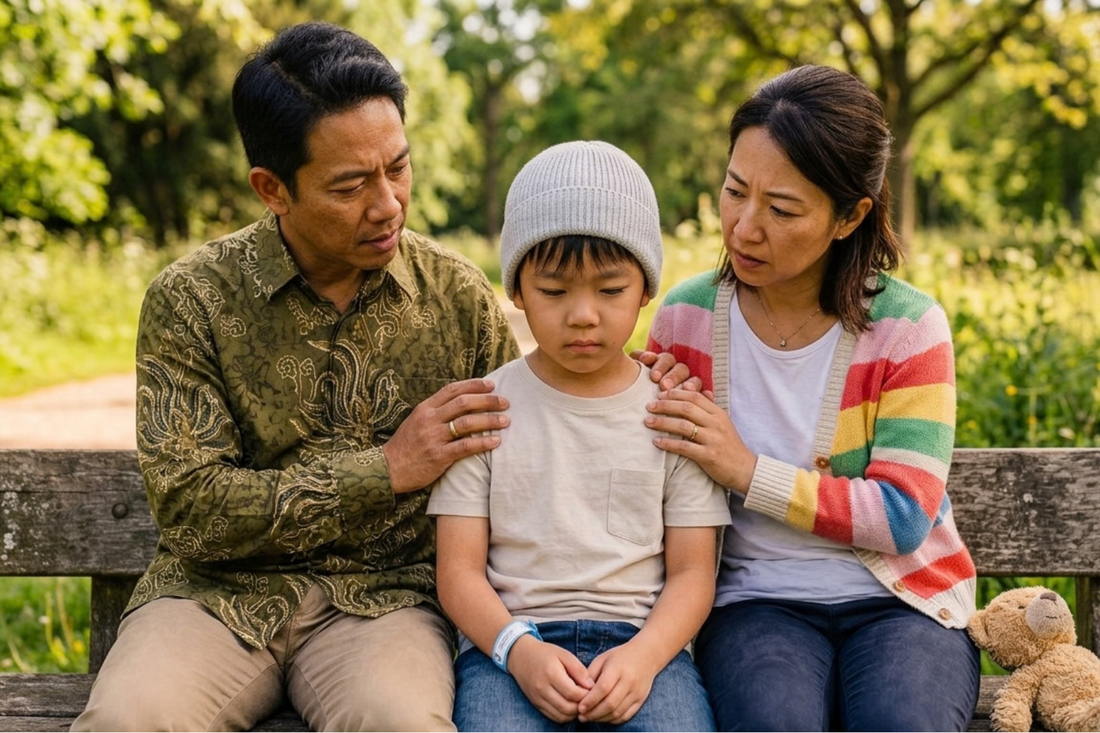
The biology and developmental origins of lymphoma can differ across the age spectrum, including the genetic changes that drive the disease.
Does your child have a persistent lump, unexplained fever or unusual tiredness? Lymphoma is unlikely to be the first thing that comes to a parent’s mind because these symptoms can be caused by common childhood illnesses. However, when symptoms persist, parents may wonder whether something more serious could be going on. Lymphoma can affect both adults and children, but it does not necessarily behave in the same way across age groups, and neither is it treated with a one-size-fits-all approach. So, what does lymphoma look like in a child, how has treatment changed, and what could the future of childhood lymphoma care look like? Adult vs childhood lymphoma One of the most important things to understand about lymphoma is that it is not a single disease. There are many different types, and the pattern of lymphoma seen in children can be quite different from that seen in adults. In children, lymphoma is more commonly made up of fast-growing, aggressive subtypes, including lymphoblastic lymphoma, Burkitt lymphoma and anaplastic large-cell lymphoma. Hodgkin lymphoma is also an important type of lymphoma, particularly among adolescents and young people. In adults, the range of lymphoma is broader. Alongside aggressive forms such as diffuse large B-cell lymphoma, adults can also develop slower-growing or indolent lymphomas, such as follicular lymphoma, which is uncommon in children. Other types, including mantle cell lymphoma and several mature B-cell lymphomas, are also seen predominantly in older adults. These differences are not simply a matter of age. Children are not small adults. The biology and developmental origins of lymphoma can differ across the age spectrum, including the genetic changes that drive the disease. This is why doctors need to establish exactly what type of lymphoma a patient has before deciding how best to treat it. Treatment is becoming more personalized For many parents, hearing the word lymphoma may immediately bring chemotherapy to mind. And for good reason: multi-agent chemotherapy remains an important part of treatment for many lymphomas, particularly the fast-growing types commonly seen in children. These cancers can be highly sensitive to chemotherapy, which means treatment can be very effective. But chemotherapy is no longer the only tool doctors have. Over the past few decades, doctors have gained a much better understanding of what makes different lymphomas grow and survive. This has opened the door to treatments that can recognize specific features of the cancer or harness the body's own immune system to fight it. For children, the goal of treatment extends far beyond achieving remission today. Children have a much longer life expectancy after treatment. Therefore, doctors need to consider not only curing the lymphoma today, but also the patient's health 10, 20 or 50 years later. In pediatric oncology, survival alone is no longer enough. The goal is increasingly to achieve a cure while minimizing the long-term impact of treatment. Treatments for childhood lymphoma include: Monoclonal antibodies can be thought of as specially designed proteins that recognize particular "markers" found on cancer cells. For example, Rituximab targets a marker called CD20, which is found on many B-cell lymphomas. When appropriate, it can be added to chemotherapy to improve the effectiveness of treatment. Targeted therapy Rather than broadly attacking rapidly dividing cells, these medicines interfere with particular signals or processes that lymphoma cells rely upon to survive and grow. Different lymphoma subtypes may have different vulnerabilities, so these treatments can increasingly be selected according to the biology of the disease. Immunotherapy Immunotherapy works in different ways, but the basic idea is to help the immune system recognize and attack cancer cells. One newer approach is bispecific antibodies - the medicine acts like a bridge: one end attaches to the lymphoma cell, while the other attaches to an immune cell called a T-cell. By bringing the two cells together, the treatment helps the immune system target the lymphoma. Stem cell transplantation For some patients whose lymphoma returns or is particularly difficult to treat, stem cell transplantation may also be considered. In one common approach, a patient's own blood-forming stem cells are collected and stored before intensive chemotherapy is given. The stem cells are then returned to the patient to help the bone marrow recover; this is called autologous transplantation. CAR-T cell therapy This is an emerging cellular therapy for childhood lymphoma, in which a patient’s own T cells are collected and modified in a specialized laboratory so that they can recognize a specific marker on lymphoma cells. These modified immune cells are then returned to the patient, where they can seek out and attack the lymphoma cells. “The important message is that these newer treatments do not simply replace chemotherapy. Instead, we now have a much larger treatment toolbox. Depending on the lymphoma and the patient, treatment may involve a combination of different approaches. Advantages of targeted therapy and immunotherapy for childhood lymphoma Targeted therapy uses medicines designed to block specific features that help lymphoma cells grow and survive. Advantages include:
Immunotherapy works by helping the body's own immune system recognize and fight lymphoma cells. Advantages include:
In the longer term, combinations of immune and targeted therapies may allow chemotherapy to be reduced or omitted in selected patients. 4. Prognosis for today and future childhood lymphoma treatments The prognosis for many children with lymphoma today is highly encouraging, although it varies depending on the lymphoma subtype, stage, molecular characteristics, response to treatment and whether the disease returns. Childhood Hodgkin lymphoma has one of the highest cure rates in pediatric oncology, with around 90–95% of children and adolescents able to be cured. For childhood and adolescent non-Hodgkin lymphoma, five-year relative survival was around 90% between 2013 and 2019, although outcomes vary between subtypes and risk groups. These improvements have been driven by better disease classification, risk- and response-adapted treatment, multidisciplinary care and advances in supportive care. Looking ahead, advances in genomic and molecular testing, targeted therapies, immunotherapy, cellular therapy and better monitoring could make treatment even more personalized. The goal is not simply to cure more children, but to achieve a cure with fewer long-term effects and a better quality of life. |

EXPLORE FURTHER
|
Understanding blood cancer: What it is and how it’s diagnosedChimeric Antigen Receptor T-cell (CAR-T) therapy - targeted treatment for cancer patients
|
|
Rising cancer incidence in Malaysia: Addressing the growing burden through a multisectoral approachUrgent need for integrated strategies across sectors
|
|
Are governments failing in the fight against cancer? NGOs' role to fill the gapsNGOs' involvement extends beyond mere awareness, focusing on research and advocacy
|
|
Cancer in the Global South: Tackling challenges in a post-pandemic worldCan developing countries overcome the severe limitations in cancer care?
|
|
Multi-cancer early detection (MCED) tests and the SPOT-MAS breakthroughEmerging technologies in liquid biopsy and multi-cancer detection offer new hope for reducing cancer mortality
|
|
Rising cancer incidence in Malaysia: Addressing the growing burden through a multisectoral approachUrgent need for integrated strategies across sectors to manage and mitigate the disease’s impact
|
|
What is cancer and how does it spread?The differences between cancer cells and normal cells
|
|
Cancer: Different types and originsCategories that initiate within particular cell types.
|

|
What signs could signal cancer?Recognizing subtle clues from your body
|

|
Comprehensive guide to cancer screening: What you can expectNavigating initial screening apprehensions
|
|
How often should you be screened for cancer?Pre-cancer awareness and proper screening is vital
|
|
Cancer diagnostics: Tests and results explainedMaking sense of lab test, imaging test and biopsy
|
|
Understanding childhood cancer and government treatment facilitiesLeukemia, CNS Tumors, and Lymphomas
|
|
Navigating emotional turbulence: From avoidance to acceptance in the face of cancerExperiential avoidance to heightened distress.
|
|
|


|
World Cancer Day: What will you do to close the care gap?Social factors or lifestyle can negatively impact the quality of cancer care.
|
|
Fighting cervical cancer in the age of COVID-19Second most common cancer despite it being a preventable disease.
|

|
Below 15 exposed to sexual intercourse, at higher risk of developing cervical cancerOral contraceptives...
|

|
No alternative therapy, magic pill for cure, says breast cancer survivor"There wasn't any pain nor any changes to my breast, but I could feel the lump."
|
|
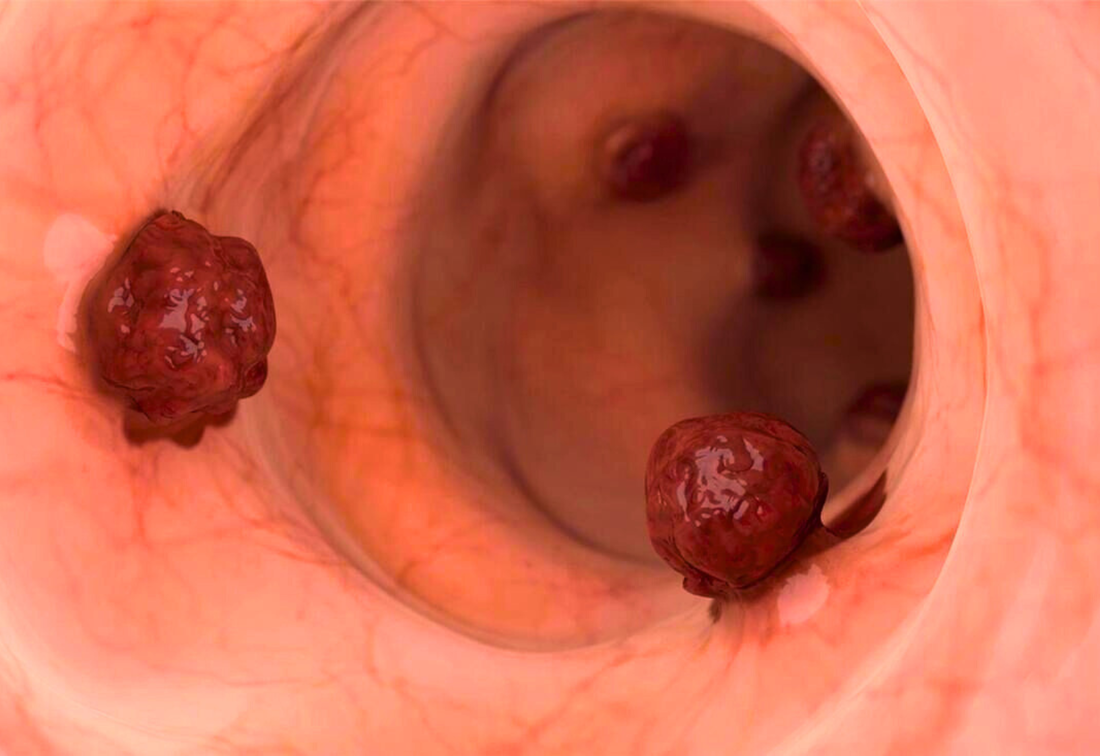
Evolving treatment for metastatic colorectal cancerColorectal cancer is the most common cancer diagnosed in men
|

|
Locks of Hope: Empowering cancer patients with confidence and supportFree human-hair pieces to individuals battling cancer.
|
|
Chemotherapy: Balancing efficacy and minimizing side effectsFor decades, chemotherapy has remained a cornerstone in cancer treatment...
|

|
PET scans in prostate cancer detectionThe risk of prostate cancer increases with age, and it often coexists with Benign Prostatic Hyperplasia (BPH)
|

|
Triumph over adversity: Stories of courage in the face of cancerThree inspiring individuals defying the odds
|

|
Can you be fired for having cancer?National Human Resource Centre says no provision in Employment Act for cancer
|
|
Nutrition vs. dot-com doctors: Debunking cancer mythsCancer preventive tips from a nutritionist
|
|
How often should you be screened for cancer?Pre-cancer awareness and proper screening is vital.
|

|
Cigarettes cause bladder cancerSmokers are four times more likely to develop bladder cancer than non-smokers.
|

|
Malaysia's cancer landscape: A closer look at incidence, trends and risk factorsChanging cancer incidence patterns in Malaysia
|