When pregnancy fatigue is more than just tiredness
September 1, 2026
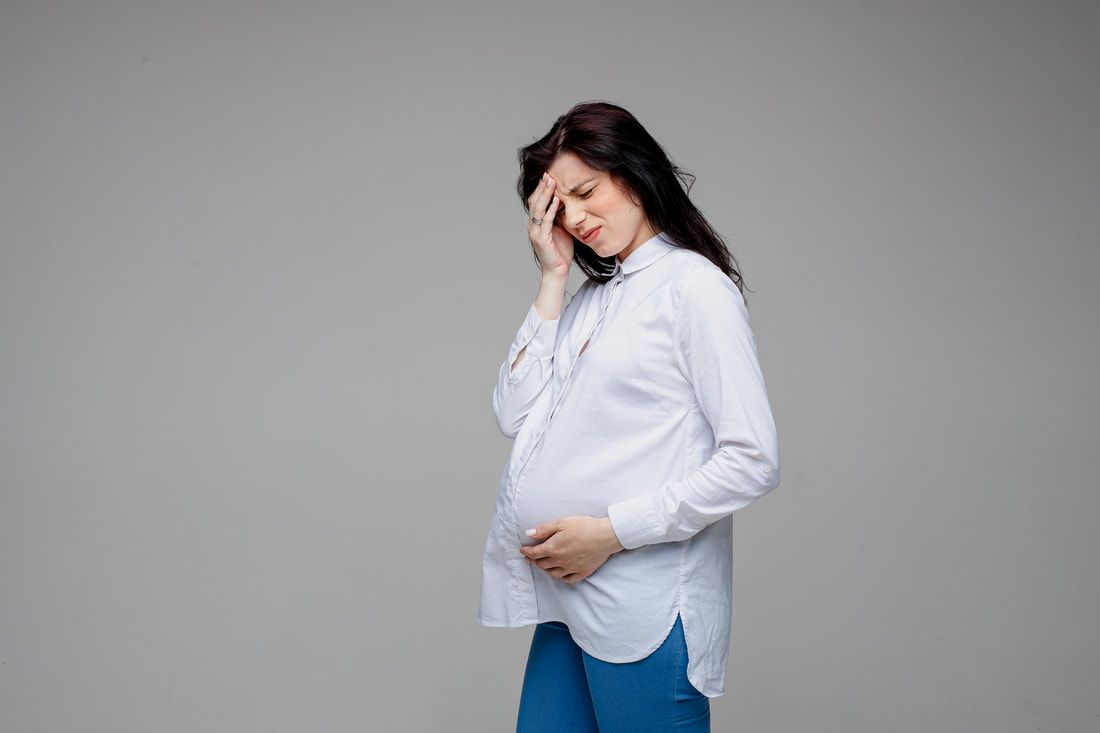
Fatigue may be common during pregnancy, but persistent or excessive tiredness, especially when accompanied by breathlessness, dizziness, weakness or palpitations, should not be dismissed as normal.
Pregnancy brings profound physical and physiological changes, and feeling tired is often considered part and parcel of the experience. But when fatigue becomes persistent, excessive or difficult to manage, it should not simply be dismissed as “normal pregnancy tiredness”.
Doing so may mean overlooking a common and treatable condition, iron deficiency anemia (IDA). Anemia is one of the most common medical conditions affecting pregnant women worldwide. The World Health Organization (WHO) defines anemia in pregnancy as a hemoglobin concentration below 11 g/dL, although its interpretation may also take into account factors such as the stage of pregnancy and other clinical considerations. Iron deficiency is the most common nutritional cause of anemia. However, anemia can also have several other causes, including folate or vitamin B12 deficiency, blood loss, inflammation and inherited blood disorders. When “normal pregnancy tiredness” deserves a closer look Fatigue during pregnancy is understandable. A growing baby, hormonal changes, disrupted sleep and increased physical demands can all contribute to tiredness. However, persistent fatigue accompanied by symptoms such as weakness, dizziness, shortness of breath or heart palpitations may also indicate anemia. As these symptoms can overlap with the normal experiences of pregnancy, they should not be assessed in isolation. Importantly, iron deficiency can develop before anemia becomes apparent. A woman may therefore have depleted iron stores even before her hemoglobin falls below the diagnostic threshold. Recognizing iron deficiency early provides an opportunity to address it before it progresses. This is why antenatal care matters. Rather than relying on symptoms alone, routine antenatal assessments and appropriate blood tests can help identify anemia and guide further evaluation. Why iron matters for mother and baby Pregnancy significantly increases the body's need for iron. Iron is required to support the expansion of the mother's blood supply, the development of the placenta and the needs of the growing baby. For women who enter pregnancy with low iron stores, meeting this increased demand can be particularly challenging. This is a relevant concern in Malaysia. A systematic review of studies involving pregnant women reported that the prevalence of anemia ranged from 19.3% to 57.4%, while iron deficiency ranged from 31.6% to 34.6%. The findings also highlighted factors associated with anemia and iron deficiency, including late antenatal booking and non-adherence to prescribed iron supplementation. For the mother, iron deficiency anemia can affect wellbeing, energy levels and physical functioning. As it becomes more severe, it can also reduce a mother's ability to tolerate blood loss during childbirth. Women who are already significantly anemic have less physiological reserve to compensate for blood loss during delivery. For the baby, maternal anemia and iron deficiency have also been associated with adverse pregnancy outcomes, including preterm birth, low birth weight and reduced neonatal iron stores. Adequate iron is particularly important for fetal development, including brain development. This does not mean that every woman with mild anemia will experience complications. Many women with mild anemia have otherwise uncomplicated pregnancies. However, leaving iron deficiency unaddressed may mean entering childbirth with depleted iron stores and reduced reserves, while potentially carrying the effects into the postpartum period. Early testing can make a difference Malaysia’s antenatal care system includes routine hemoglobin assessment, allowing healthcare professionals to identify anemia during pregnancy and determine the appropriate next steps. Further testing may be needed to establish whether iron deficiency is the underlying cause or whether another condition is contributing to the anemia. Early management can help prevent iron deficiency from becoming more severe. Iron and folic acid supplementation, together with a balanced diet containing iron-rich foods, can support maternal and fetal health. For pregnant women, this means attending antenatal appointments, completing recommended blood tests, discussing persistent symptoms with their healthcare provider, and taking prescribed supplements as advised. Fatigue may be common during pregnancy, but persistent or excessive tiredness, especially when accompanied by breathlessness, dizziness, weakness or palpitations, should not be dismissed as normal. |

EXPLORE FURTHER

|
A healthy breastfeeding journey begins during pregnancy, not deliveryPregnancy education prepares mothers for breastfeeding and postpartum challenges after birth
|

|
Pregnant mums’ Tdap vaccine protects babies from deadly coughRecommended for each pregnancy at 28–32 weeks gestation
|

|
Stunting begins in womb amid maternal nutritional deprivationLow-protein, micronutrient-poor diets undermine a child’s lifelong growth and cognition
|

|
Survey reveals Malaysians struggle with legacy preservation as family succession lagsIndependence drives reluctance among nearly 60% of next-generation family business heirs
|
|
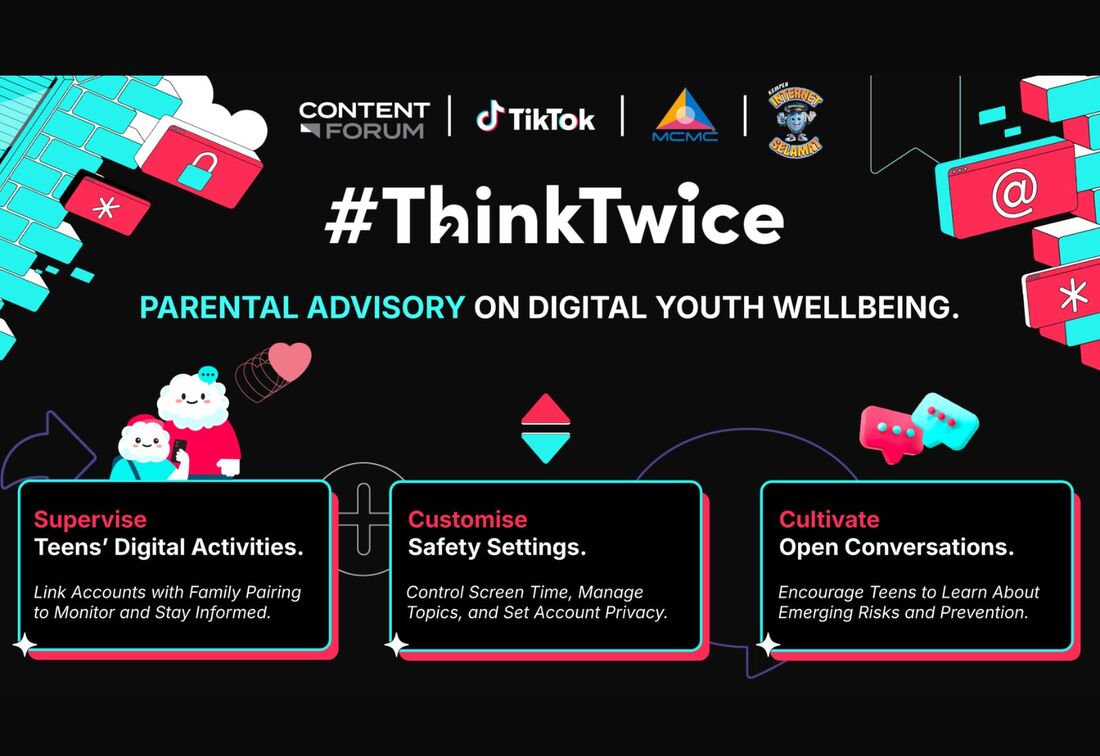
TikTok, Content Forum, MCMC join forces to launch #ThinkTwice Parental AdvisoryA practical guide to supervising, customizing, and connecting for your teen's online safety
|

|
Giving children a voice: Why autonomy matters in parenting todayAre we giving children the freedom to decide, express, and learn from missteps?
|
|
When hope is lost: Miscarriage, the hidden grief and emotional toll on womenThe physical impact of miscarriage and the importance of timely follow-up for healing and future pregnancy planning
|

|
Preeclampsia: Severe complications every pregnant woman should knowDiabetes, high blood pressure, and kidney disease heighten risks during pregnancy
|

|
Why are so many workplaces still failing breastfeeding mothers?How emotional support and workplace policies can strengthen breastfeeding journeys
|

|
Screen time vs. play time: The battle shaping children’s eye healthExperts urge limited screen time—none before age three
|
|
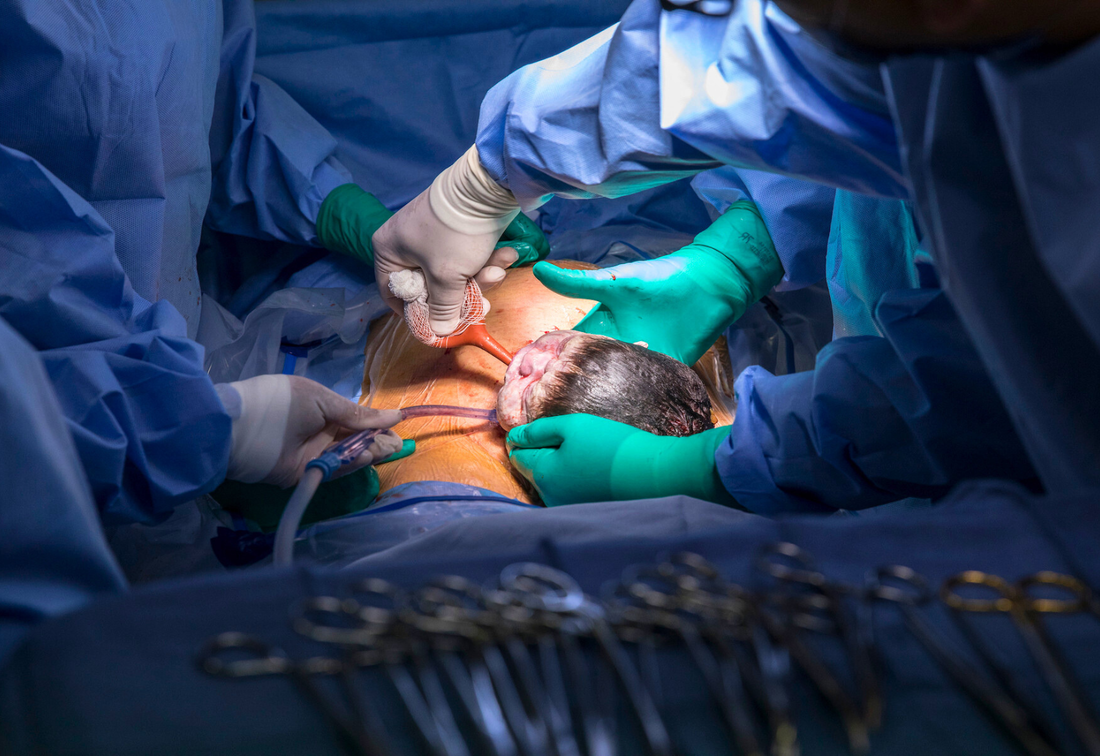
Postpartum hemorrhage: A preventable cause of maternal deathMaternal obesity heightens the risk of postpartum hemorrhage
|

|
Chickenpox in children aged 3 to 6 yearsA guide for parents on symptoms, management, and prevention
|

|
A parent's guide to hearing loss in young kidsDisparities in access to hearing screening may result in hearing loss going undetected
|

|
Tackling tummy troubles: Managing functional constipation in childrenHow stress, poor diet, milk intolerance, and rushed potty training trigger functional constipation
|

|
Are all baby skin care products truly safe to use?Ingredients that can cause dryness and allergies in baby’s skin
|

|
Food allergies in children can be life threateningDoes a food diary really help?
|

|
Japan's ultimate gaming bed: Balancing entertainment and real-life for teensWhat are its impact on teenagers?
|

|
When teens speak about the opposite sex: How parents can respondGuidance for discussing opposite sex with teen without judgment
|
|
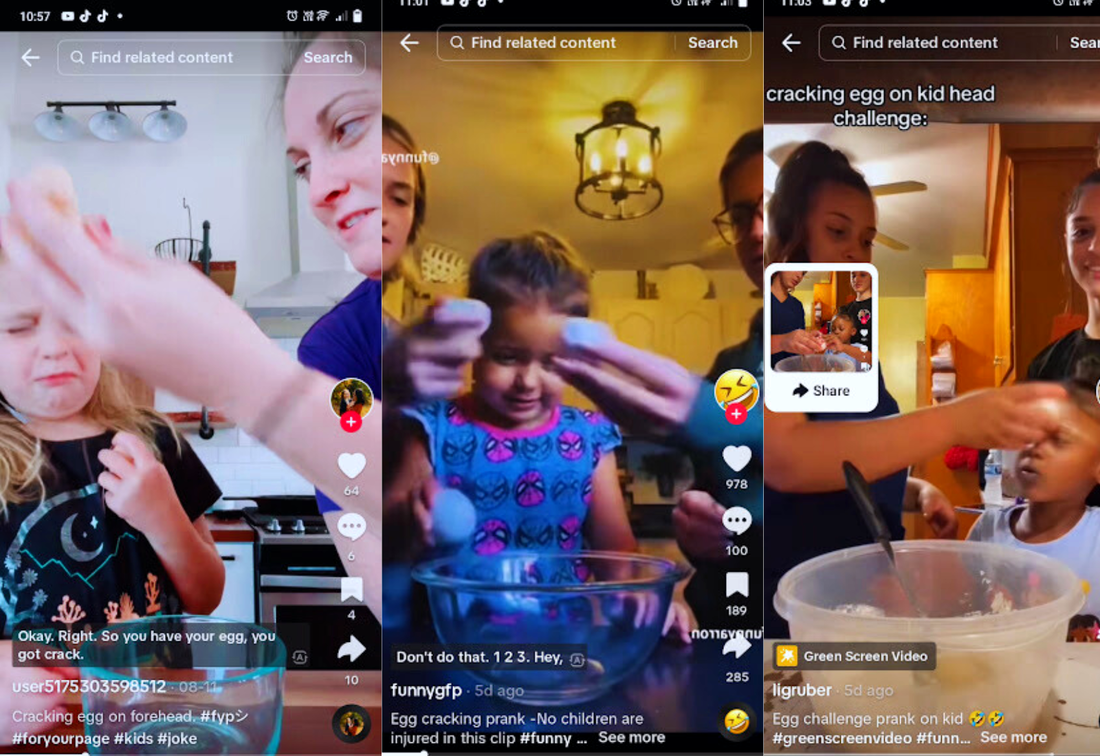
Disturbing trend on TikTok: Cracking eggs on children's foreheads for entertainmentDelicate balance between entertainment and children's emotional well-being
|

|
The ultimate hospital bag checklist for mom and babyA significant step towards a stress-free birthing experience
|

|
Ultrasound to detect abnormalities in pregnancyDetecting abnormalities during different stages of fetal development.
|

|
Postpartum hernia: A common occurrence following a C-sectionPelvic floor exercises during pregnancy
|

|
Should you swaddle your baby?We might think that it is actually uncomfortable, because we ourselves do not want to be that way
|

|
Sudden Infant Death Syndrome (SIDS): Causes, safe sleeping practices, and co-sleeping concernsCot death or crib death
|
|
Do you have enough milk to breastfeed your baby?A good latch increases milk supply
|
|
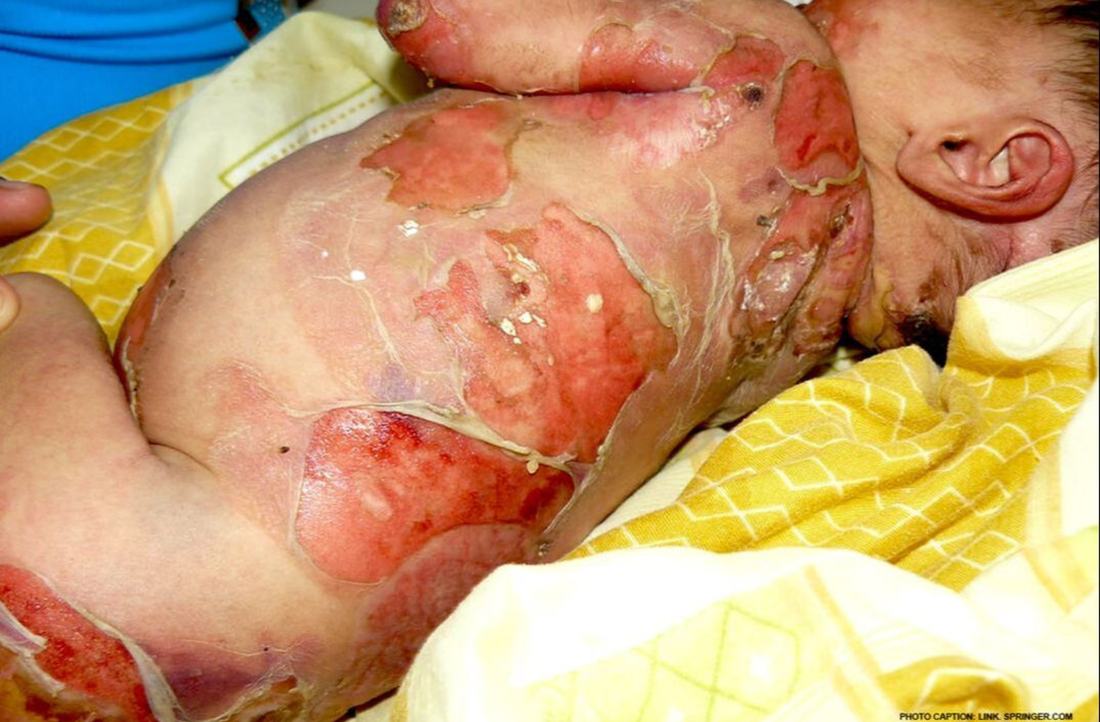
Butterfly children with skin as fragile as a butterflyEpidermolysis Bullosa causes the skin to blister - becoming fragile even at the slightest touch
|

|
Thumb sucking and pacifier use in children affects the bite says dentistThumb sucking causes the teeth to proclinate outwards
|
|
Liquids with natural sugars linked with baby bottle tooth decayChildren who suck on pacifiers dipped in sugar or syrup are equally at risk.
|
|
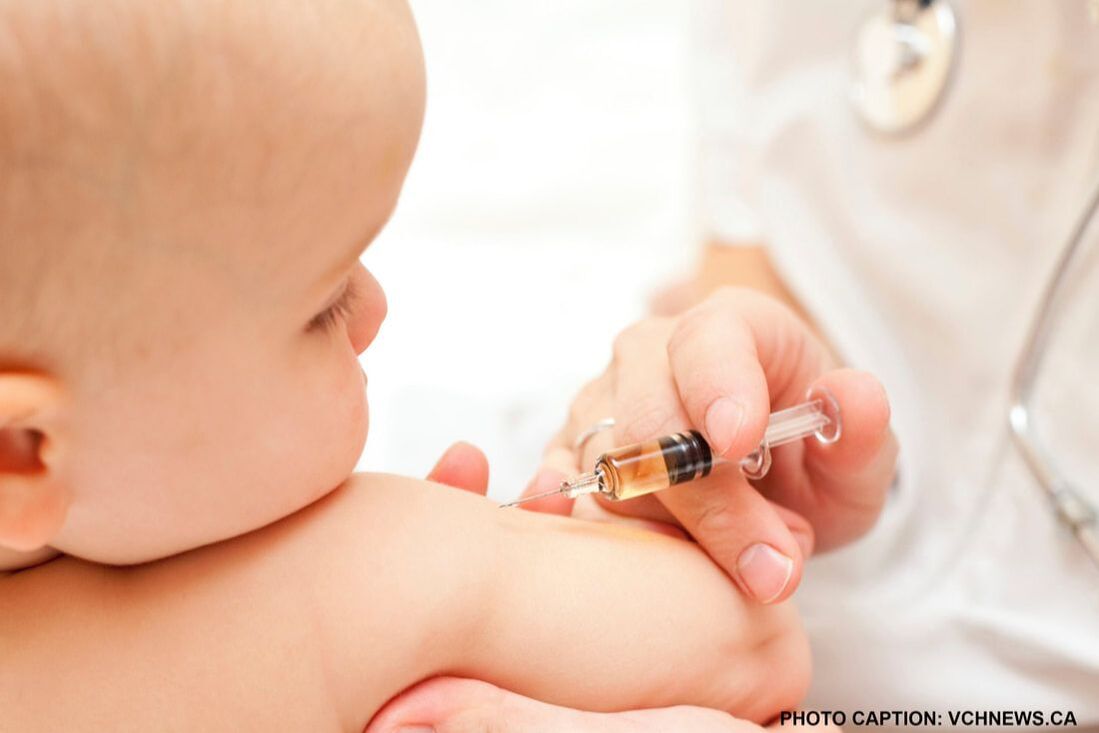
Debunking myths and reinforcing facts on vaccinationPerak, Terengganu and Pahang record highest number of anti-vaxxers
|

|
Is it ADHD or other developmental disorders?When one toy may not be enough
|

|
Food allergies in children can be life threateningDoes a food diary really help?
|

|
Paracetamol use in childrenToo much paracetamol can cause liver problems
|

|
Guide to winning your child's tantrums on your next road tripFive tips to ace your vacation
|

|
Is my child too short?How do you determine if your child is growing well?
|
|
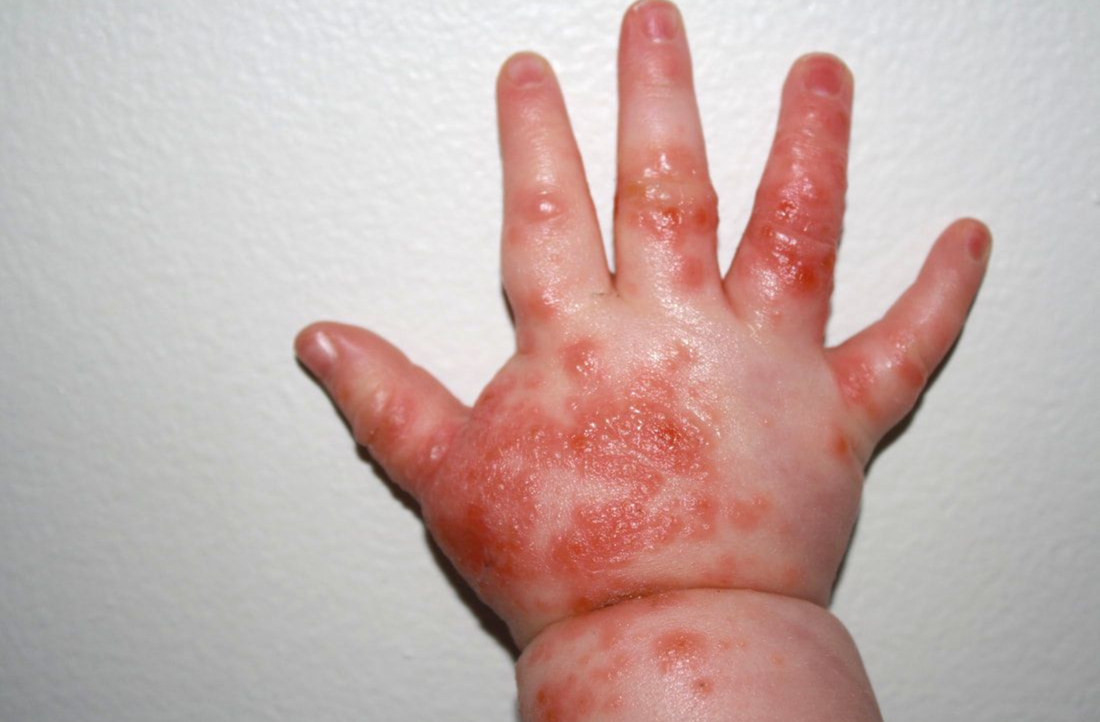
Identifying Hand-Foot-And-Mouth disease in your childA contagious disease that spreads through touch, saliva and stool
|
|
Breastfeeding as a natural cure for jaundice?Breastfeeding babies lose jaundice in the third week.
|

|
Hemorrhagic disease of the newborn (HDN) as a result of Vitamin K deficiencyBleeding in infancy develops in the first days and weeks of life
|
|
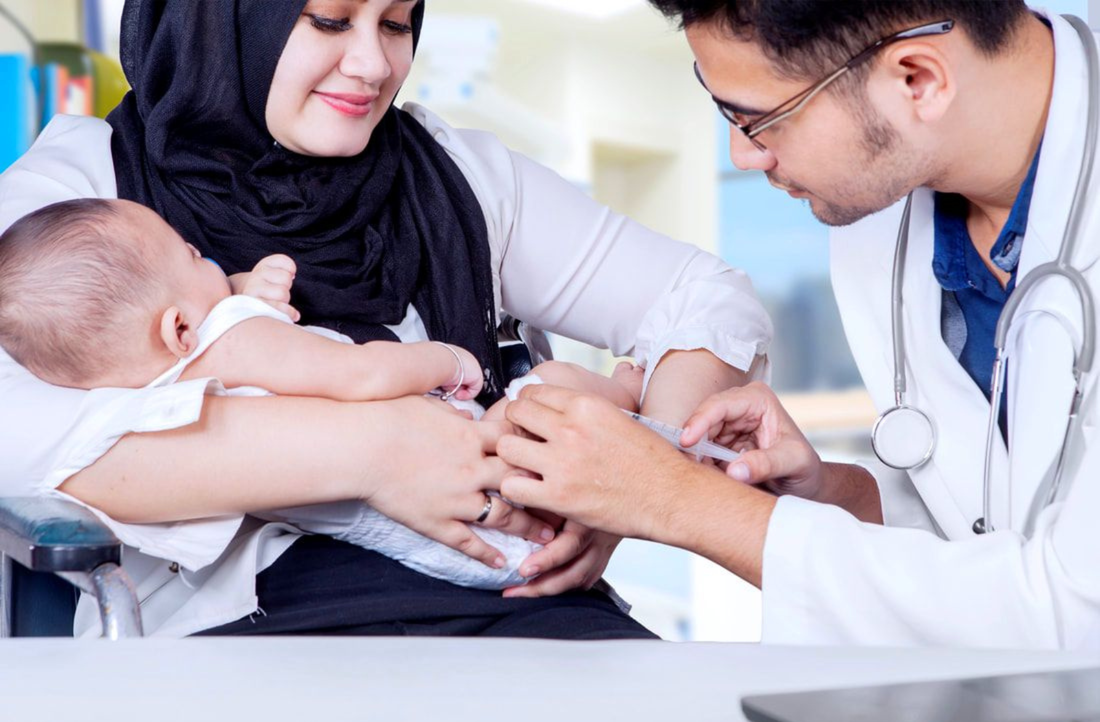
What parents need to know about the 6-in-1 vaccine under the National Immunisation Program for infants and children |

|
Coronavirus: Babies vaccine schedule should not be delayedAre clinics safe? Is there a risk of catching the disease from the attending nurse or doctor?
|

|
Partner participation helps mother breastfeed longer, says studySupport helps mothers breastfeed longer
|

|
The art of babywearing: A guide to safe and convenient parentingBabywearing can be a game-changer, offering hands-free parenting
|

|
Teaching children swimming at a young age: Yay or Nay?Swimming brings lifelong benefits to children and imbue in them essential life skills.
|
|
Squint treatment for children: A life-changing experienceChildren with reduced vision may have delayed developmental milestones
|
|
Family travels over 400km to treat 11-month old son with congenital heart defectTests confirmed that he was born with two holes in his heart.
|
|
Managing scoliosis - torsional deformity of the spine in the youngIdiopathic scoliosis is more apparent during an adolescent’s growth spurt
|

|
Your developing child - How milestones play an important roleEarly experiences can influence lifelong learning and health.
|