Integrative medicine and medical device regulation: Ensuring safety through licensing
July 29, 2024


Malaysia is rapidly establishing itself as a key player in the medical device industry within Southeast Asia. With the Medical Device Authority (MDA) at the helm, Malaysia's regulatory framework mirrors the rigorous standards of international bodies like the U.S. Food and Drug Administration (FDA), South Korea’s Ministry of Food and Drug Safety (MFDS), and Singapore's Health Sciences Authority (HSA).
This robust regulatory environment has attracted substantial investments, with a total of RM48.34 billion pouring into the sector and 412 projects approved, resulting in the creation of over 97,000 jobs. "With Foreign Direct Investment (FDI) in medical devices alone standing at RM70 billion, Malaysia is poised to become the leading hub for medical devices in the region," says Dr Muralitharan Paramasua (pix), Chief Executive Officer of the Medical Device Authority (MDA) Malaysia, who was speaking on integrative medicine and its relation to medical device regulation at the Association of Integrative Medicine Malaysia (AIMM)’s 5th International Integrative Medicine Conference 2024, themed 'Healthspan - The Science and Art of Wellbeing What constitutes a medical device? The term "medical device" covers a broad spectrum of products designed for medical purposes. These devices can be categorized into three main groups:
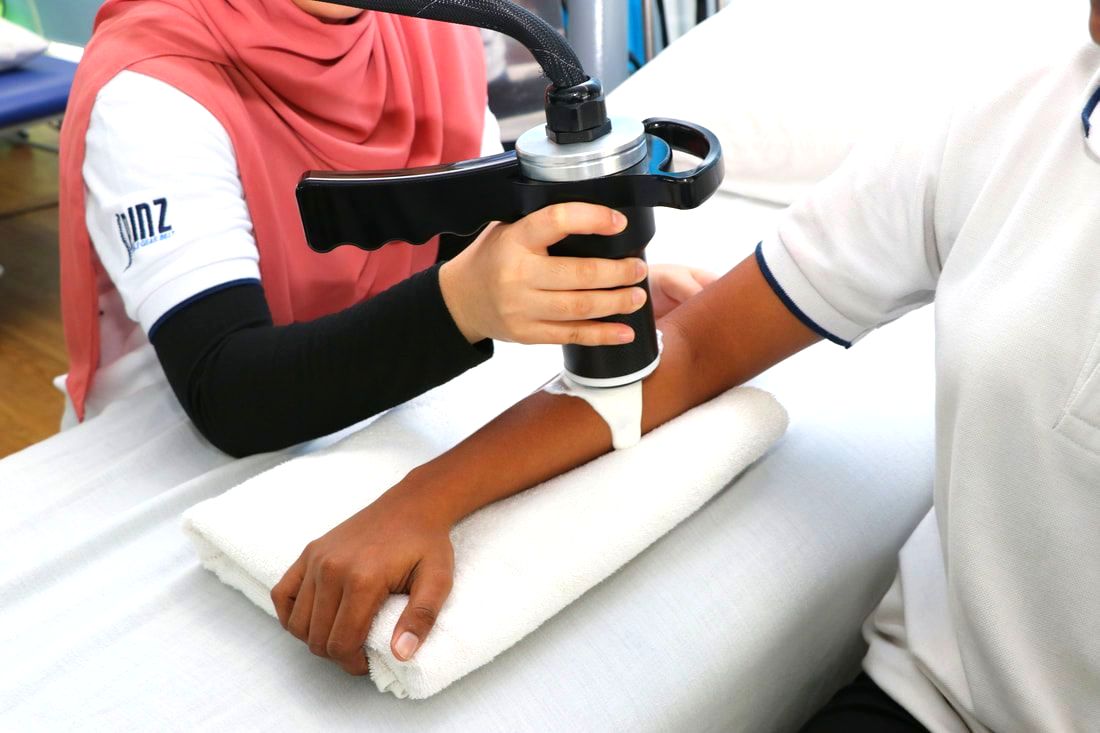
The role of regulatory agencies The regulation of medical devices in Malaysia is managed by two primary agencies: the Medical Device Authority (MDA) and the National Pharmaceutical Regulatory Agency (NPRA). These agencies work together to ensure that medical devices used in the country adhere to stringent safety and quality standards. Integrative medicine and the role of medical devices Medical devices are not limited to conventional medical practices; they also play a significant role in integrative medicine, which includes traditional and complementary medicine practices. For example, devices used in Chinese medicine and Indian traditional medicine are subject to regulation to ensure their safety and effectiveness. Acupuncture and electrotherapy Acupuncture, a practice rooted in traditional Chinese medicine, involves inserting fine needles into specific points on the body. The MDA regulates acupuncture needles, ensuring they meet safety standards. Similarly, electrotherapy devices, such as transcutaneous electrical nerve stimulation (TENS) units, are used in integrative medicine to alleviate pain by delivering electrical impulses through electrodes placed on the skin. These devices are regulated to ensure their effectiveness and safety for patients. Cupping therapy Cupping therapy, an ancient alternative medicine practice, involves placing special cups on the skin to create suction, believed to help with pain, inflammation, and overall well-being. The MDA ensures that the devices used in cupping therapy meet safety standards, protecting both practitioners and patients. Phototherapy devices Phototherapy, or light therapy, uses specific wavelengths of light to treat various conditions, including wound healing, reducing inflammation, and improving skin conditions such as acne and psoriasis. These devices are also regulated by the MDA to ensure their safety and efficacy. Medical Device Authority (MDA): Ensuring safety and innovation Established in 2012 under the Medical Device Act 2012 (Act 737), the Medical Device Authority (MDA) operates under the Ministry of Health. The MDA is tasked with regulating Conformity Assessment Bodies (CABs), users, and establishments, including manufacturers, authorized representatives (ARs), distributors, and importers. By overseeing the entire lifecycle of medical devices—from development and manufacturing to post-market surveillance—the MDA plays a crucial role in ensuring public health and safety. The MDA also facilitates the industry by addressing public health and safety concerns, assessing the safety, effectiveness, and quality of medical devices before they reach the market. Additionally, the MDA ensures that sufficient information is available to the public and healthcare professionals, enabling informed decisions about medical devices. Post-market reporting systems are in place to monitor the continued safety of medical devices, allowing the MDA to take corrective action if necessary. Medical device regulatory framework Malaysia’s regulatory framework for medical devices is divided into three main stages: pre-market, market placement, and post-market.
The importance of establishment licensing Obtaining an establishment license is essential for anyone involved in the distribution of medical devices in Malaysia. This license grants the MDA visibility and regulatory power over all parties involved, including manufacturers, authorized representatives, importers, and distributors. It establishes the legal responsibility and accountability of these parties, particularly in cases requiring investigation or corrective action. The licensee is obligated to fulfill post-market responsibilities, such as monitoring adverse events, conducting recalls, and undergoing inspections. This legal duty remains in effect as long as the license is active. The implementation of ISO 13485 and GDPMD quality management systems further safeguards the public by ensuring that medical devices are designed, manufactured, and controlled according to specified quality standards. The risks of operating without a license Operating without a license poses significant risks to both the public and the industry. Without a license, the MDA would face challenges in monitoring the entities responsible for introducing medical devices to the market, limiting its ability to address safety issues and complaints effectively. Coordinating recalls of defective products would also be more difficult without detailed information about manufacturers and importers. Additionally, a marketplace saturated with unregistered companies creates unfair competition for those who have invested in meeting stringent regulatory requirements. The absence of a quality management system in unlicensed companies could lead to the introduction of substandard and falsified devices, endangering public health. Licensing process and compliance The process of obtaining an establishment license begins with determining the appropriate role of the establishment, whether as a manufacturer, authorized representative, importer, or distributor. Next, the establishment must undergo an audit for GDPMD or ISO 13485 compliance. Once these steps are completed, the application for a new license can be submitted through the MeDC@St2.0 system, along with the payment of the application fee. The MDA conducts an assessment of the application, and upon approval, the license fee must be paid. The issued license is valid for three years. The approval process is streamlined, taking only 21 working days from the receipt of a complete application and payment of the RM250 fee. Malaysia currently holds the record for the fastest approval process for medical device licensing in the world. It is important to note that a single license covers only a single role. For example, a manufacturer’s license does not cover distribution activities, and separate licenses must be obtained for each role. Retailers that sell medical devices directly to the public, such as traditional pharmacies and convenience stores, are exempt from the licensing requirement. However, foreign manufacturers must authorize a representative to register their medical devices in Malaysia, as the process for foreign entities is similar to that for local manufacturers. Designated Medical Device (DMD) policy by MDA The MDA has the authority to designate specific devices as medical devices under the Designated Medical Device (DMD) policy. This policy addresses the growing number of complaints received by the Ministry of Health regarding complications from aesthetic medical devices used in beauty facilities by uncertified practitioners. Complaints have ranged from injuries sustained during alternative treatments to adverse effects caused by unregulated devices. The DMD policy allows the MDA to enforce stricter regulations on these devices, ensuring they meet the necessary safety and effectiveness standards before being used by the public. As Malaysia continues to evolve as a major hub for the medical device industry in Southeast Asia, the role of the Medical Device Authority (MDA) is pivotal. Through rigorous regulation, Malaysia ensures the safety, quality, and effectiveness of medical devices used within its borders. The country's commitment to maintaining a robust regulatory framework has attracted significant investments, bolstered job creation, and positioned Malaysia as a leader in the medical device sector. With ongoing advancements and a focus on integrative medicine, Malaysia is set to continue its growth as a critical player in global healthcare. |

|
EXPLORE FURTHER

|
The role of traditional Chinese medicine in emotional healthExploring the connection between emotional well-being and organ functions
|

|
Comprehensive stroke management through acupuncture: An integrative approachUnlocking stroke recovery: Acupuncture's integrative power
|

|
Discover the future of medical aesthetics and dermatosurgery in AMSC Malaysia, September 2024Join the leaders in aesthetic medicine, dermatology and surgery at Kuala Lumpur's premier event
|

|
Exploring the regulatory landscape of health supplements and natural products in MalaysiaA detailed look at trends and compliance
|

|
Stem cell therapy in aging and degenerative diseases: A closer look at regenerative medicineIs slowing down cell death the key to aging, or are we playing god?
|

|
Vitamin D and homeopathic treatment show promise in vitiligo managementCase study highlights role of vitamin D in reversing vitiligo
|

|
Taiji: The ancient practice revolutionizing modern health and cognitive functionIs Taiji the key to unlocking mental and physical well-being in the 21st century?
|

|
Understanding thyroid health: Are you aware of the hormones that affect your well-being?How thyroid function influences health and emotions in women and men
|

|
Traditional Indian martial arts: A force for health and well-beingThe influence, historical significance, and scientific benefits in the modern era
|

|
Can Ayurveda offer a solution to gastrointestinal issues in autism?The connection between dysbiosis and gastrointestinal issues in autism
|

|
The potential and pitfalls of natural products in modern medicineTranslating traditional remedies into scientifically proven treatments.
|

|
The secrets behind the growing popularity and challenges of aesthetic medicineNavigating the risks, complications, financial success and exit
|

|
The healing potential of homeopathy in cancer treatmentExploring complementary and alternative approaches to cancer care
|

|
Stress in autoimmune disorders and the homeopathic approach to treatmentObsessive-compulsive tendencies and procrastination: Key traits linked to autoimmune disorders
|

|
The renaissance of psychedelics: From ancient rituals to modern medicineUnderstanding the historical context and future potential
|

|
The intricate world of terpenes: Nature's multifaceted marvelsExploring the roles, uses, and medical potential of terpenes
|

|
Understanding the link between autism and hypoxiaHow oxygen levels during pregnancy may impact autism risk
|
|
Human or animal stem cells?The pros and cons of autologous, allogenic, and xenogenic stem cell transplants
|
|
The critical role of stem cells in longevity medicineExploring the intersection of healthspan and longevity
|

|
Unlocking the power of hyperbaric oxygen therapyDiscover the therapeutic benefits and future potential of HBOT for healing, cognitive function, and overall well-being
|

|
Beginner's guide: Four key facts on traditional Chinese medicineIs this age-old traditional treatment still relevant today?
|

|
Exploring the realm of medical cannabis in Malaysia: Navigating legislation, evidence, and potentialWhat sets apart industrial hemp from medical cannabis?
|