Slovenian beekeeping: A legacy of healing through nature's pharmacy
July 28, 2024

Slovenia's relationship with beekeeping spans centuries, deeply rooted in the country's cultural and medical practices. At the turn of the 20th century, Dr Filip Tec, a renowned physician in the Austro-Hungarian Empire, pioneered an unconventional treatment in Maribor. Between 1879 and 1912, he treated 660 rheumatic patients with bee stings, boasting an impressive 82% recovery rate. Although his findings were published in the Wiener Medizinische Presse, the method faced skepticism due to concerns about safety and the potential for others to replicate his work. Despite some adverse outcomes, including heart complications and fatalities, Tec's work laid the foundation for apitherapy—an area of medicine that harnesses the healing power of bee products.
The evolution of apitherapy in Slovenia During the 1950s, apitherapy was largely practiced by local beekeepers who provided honey, bee pollen, royal jelly, and propolis to their communities. It wasn't until the 1960s that more formalized research and development began. Laboratories were established in collaboration with cooperative beekeepers to produce specialized products aimed at treating specific health conditions. Clinical trials combined bee products with herbal extracts, and later, small amounts of bee venom, to enhance their therapeutic effects. The potent properties of chestnut honey In 2010, Slovenian honeys were screened for antimicrobial activity, revealing that forest honeys, particularly chestnut honey, were exceptionally rich in flavonoids and antioxidative compounds. Speaking at the 5th International Integrative Medicine Conference 2024, Professor Dr Janko Bozic from the University of Ljubljana highlighted the superior qualities of chestnut honey. "Chestnut honey consistently demonstrated high levels of antimicrobial activity," he noted. "Its unique chemical composition, including high levels of phenolic compounds, contributes to its effectiveness." Chestnut honey stands out not only for its medicinal properties but also for its sensory characteristics. It has a distinct reddish hue, a strong, bitter taste, and a caramel-like odor. These features, combined with its antimicrobial properties, make it a valuable resource in both traditional and modern medicine. The science behind the healing Chestnut honey's healing power extends beyond its taste and aroma. The honey contains kynurenic acid, which attracts leukocytes to damaged skin or wounds, aiding in the healing process. Additionally, it is rich in proline, an amino acid derived from bees, which enhances the honey's effectiveness as a wound dressing. Clinical studies have shown that wounds treated with chestnut honey can close within 45 days, underscoring its potential as a natural remedy for skin injuries. Professor Bozic also pointed out the role of enzymes in the antimicrobial activity of chestnut honey. "Glucose oxidase, an enzyme found in honey, produces hydrogen peroxide, a potent antimicrobial agent. This enzyme activity can be easily tested, making it a reliable indicator of honey's therapeutic potential." Beyond honey: The role of beetroot in recovery In addition to honey, other natural remedies, such as fresh beetroot syrup, are also gaining attention for their role in recovery after cancer treatment. Combined with honey, vitamin C, and propolis, beetroot syrup is used by patients to support their health post-treatment, showcasing the continued importance of natural therapies in Slovenian medicine. Slovenia's long-standing tradition of beekeeping and the use of bee products for medicinal purposes continues to thrive, supported by both historical practices and modern scientific research. Chestnut honey, in particular, has emerged as a powerful natural remedy, offering significant benefits for wound healing and antimicrobial protection. As research in apitherapy advances, Slovenia remains at the forefront of this ancient yet evolving field of medicine. |

|
EXPLORE FURTHER

|
The role of traditional Chinese medicine in emotional healthExploring the connection between emotional well-being and organ functions
|
|
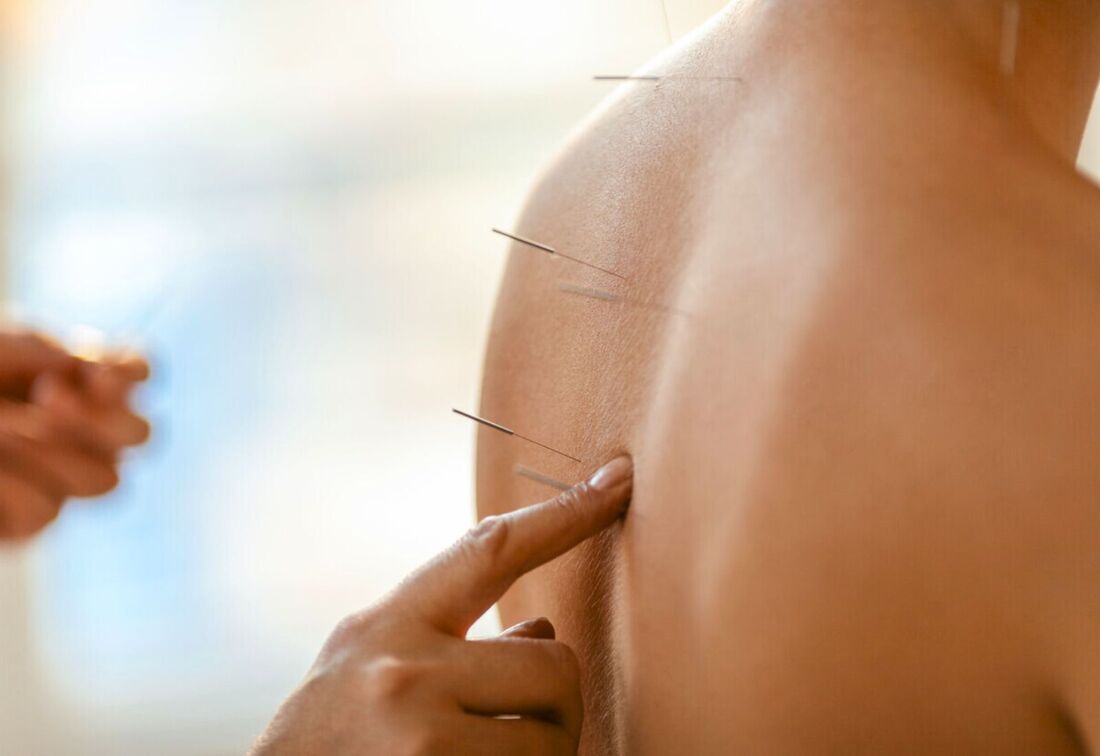
Comprehensive stroke management through acupuncture: An integrative approachUnlocking stroke recovery: Acupuncture's integrative power
|

|
Discover the future of medical aesthetics and dermatosurgery in AMSC Malaysia, September 2024Join the leaders in aesthetic medicine, dermatology and surgery at Kuala Lumpur's premier event
|

|
Exploring the regulatory landscape of health supplements and natural products in MalaysiaA detailed look at trends and compliance
|

|
Stem cell therapy in aging and degenerative diseases: A closer look at regenerative medicineIs slowing down cell death the key to aging, or are we playing god?
|

|
Vitamin D and homeopathic treatment show promise in vitiligo managementCase study highlights role of vitamin D in reversing vitiligo
|

|
Taiji: The ancient practice revolutionizing modern health and cognitive functionIs Taiji the key to unlocking mental and physical well-being in the 21st century?
|

|
Understanding thyroid health: Are you aware of the hormones that affect your well-being?How thyroid function influences health and emotions in women and men
|

|
Traditional Indian martial arts: A force for health and well-beingThe influence, historical significance, and scientific benefits in the modern era
|

|
Can Ayurveda offer a solution to gastrointestinal issues in autism?The connection between dysbiosis and gastrointestinal issues in autism
|

|
The potential and pitfalls of natural products in modern medicineTranslating traditional remedies into scientifically proven treatments.
|

|
The secrets behind the growing popularity and challenges of aesthetic medicineNavigating the risks, complications, financial success and exit
|

|
The healing potential of homeopathy in cancer treatmentExploring complementary and alternative approaches to cancer care
|

|
Stress in autoimmune disorders and the homeopathic approach to treatmentObsessive-compulsive tendencies and procrastination: Key traits linked to autoimmune disorders
|

|
The renaissance of psychedelics: From ancient rituals to modern medicineUnderstanding the historical context and future potential
|
|
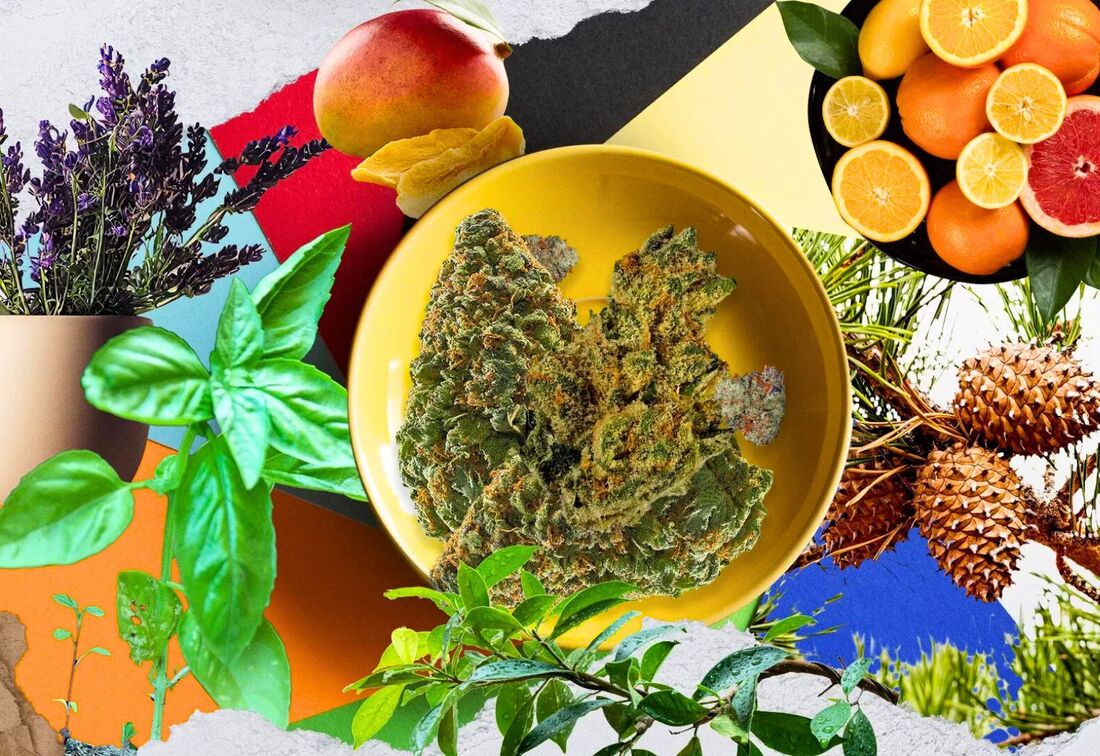
The intricate world of terpenes: Nature's multifaceted marvelsExploring the roles, uses, and medical potential of terpenes
|

|
Understanding the link between autism and hypoxiaHow oxygen levels during pregnancy may impact autism risk
|

|
Human or animal stem cells?The pros and cons of autologous, allogenic, and xenogenic stem cell transplants
|

|
The critical role of stem cells in longevity medicineExploring the intersection of healthspan and longevity
|

|
Unlocking the power of hyperbaric oxygen therapyDiscover the therapeutic benefits and future potential of HBOT for healing, cognitive function, and overall well-being
|

|
Beginner's guide: Four key facts on traditional Chinese medicineIs this age-old traditional treatment still relevant today?
|

|
Exploring the realm of medical cannabis in Malaysia: Navigating legislation, evidence, and potentialWhat sets apart industrial hemp from medical cannabis?
|