Could everyday foods be driving diabetes rates higher?
June 8, 2026

Malaysia's diabetes epidemic is fueled by daily consumption of refined carbohydrates, sugary beverages, and sweet desserts. Staples such as white rice, kuih, cendol, and ais kacang contribute to obesity and insulin resistance.
The latest data from the National Health and Morbidity Survey (NHMS) 2023 recorded that 15.6% of adults aged 18 years and above have diabetes in Malaysia. This means that one in six adults has diabetes. More concerning is the growing number of young adults with undiagnosed diabetes. Approximately 84% of adults aged 18 to 29 years with diabetes do not know that they have the condition.
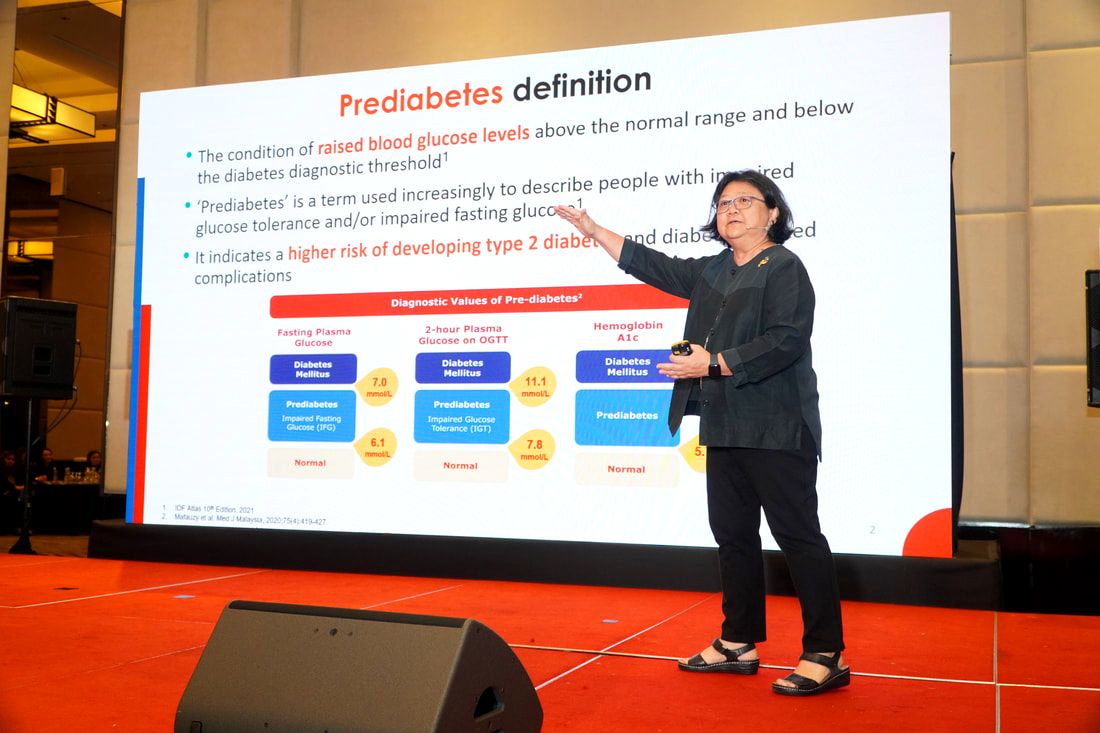
"Diabetes is a progressive disease. It starts as prediabetes with insulin resistance, progresses to the onset of diabetes, which is the beginning of insulin deficiency, and eventually leads to significant insulin deficiency. Management of diabetes involves a combination of lifestyle interventions, medical nutrition therapy alone or alongside medications and insulin," explains Chong Koy Seong (pictured below), Senior Dietitian at Assunta Hospital, during his presentation, "Dietary Strategies for Type 2 Diabetes," at Assunta Hospital's GP Symposium, Diabetes 360: A Multidisciplinary Approach for GPs. 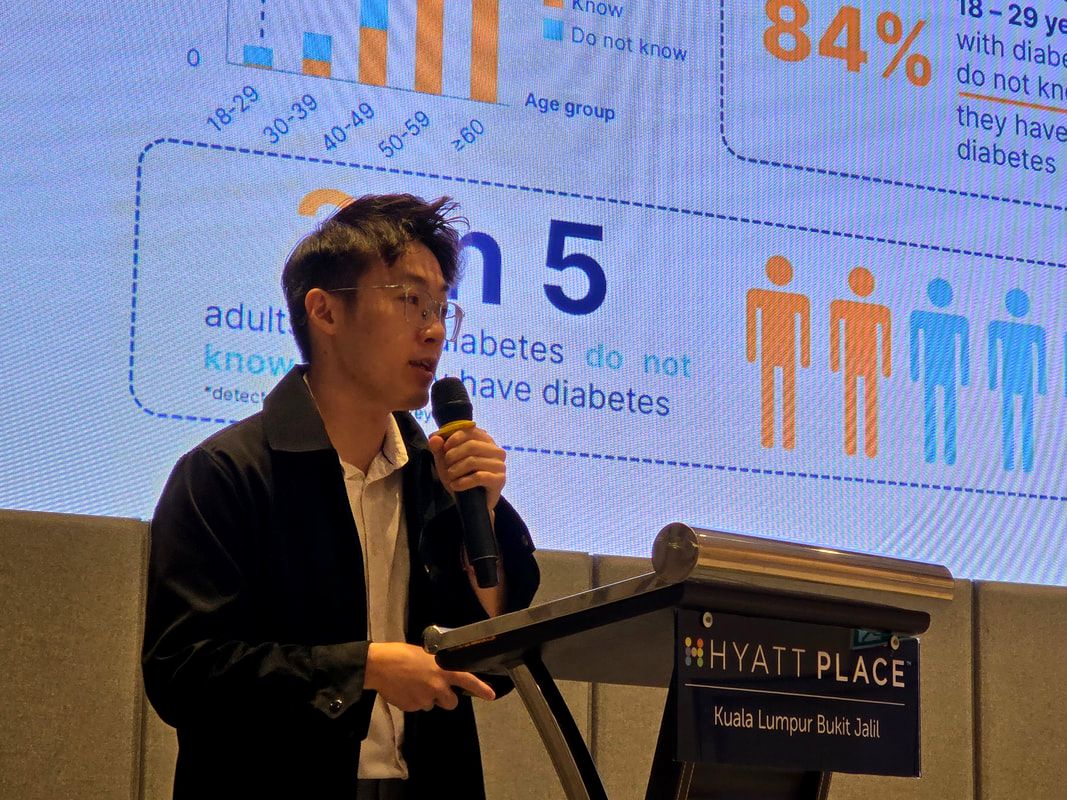
Medical nutrition therapy (MNT)
Nutrition care by a dietitian should be provided at diagnosis, when there is suboptimal metabolic and/or weight control, at the initiation of insulin therapy, and with the development of other comorbidities such as hyperlipidemia, hypertension, and diabetic kidney disease. A 1% reduction in HbA1c can significantly reduce the risk of retinopathy (eye damage), nephropathy (kidney damage), neuropathy (nerve damage), and cardiovascular complications such as heart attack and stroke. MNT is administered to patients with the common goals of improving HbA1c, blood pressure, and cholesterol levels; achieving and maintaining a healthy body weight; and delaying or preventing diabetes-related complications. At the same time, it promotes healthy eating patterns in appropriate portion sizes and limits food restrictions only when supported by scientific evidence. Diet and lifestyle strategies in managing diabetes Individuals who are overweight (BMI >23.0 kg/m² to <27.5 kg/m²) or obese (BMI ≥27.5 kg/m²) and are not achieving glycemic control should restrict their caloric intake with the goal of reducing body weight by at least 5% to 10%. The Clinical Practice Guidelines for the Management of Obesity published by the Ministry of Health in 2023 provide a different BMI classification compared with the WHO. The normal BMI range is now 18.5 to 22.9, while overweight is defined as 23.0 to 27.4. A BMI of 27.5 and above is classified as obesity. The ministry revised these guidelines because the risk of comorbidities occurs at lower BMI levels among Asian populations. 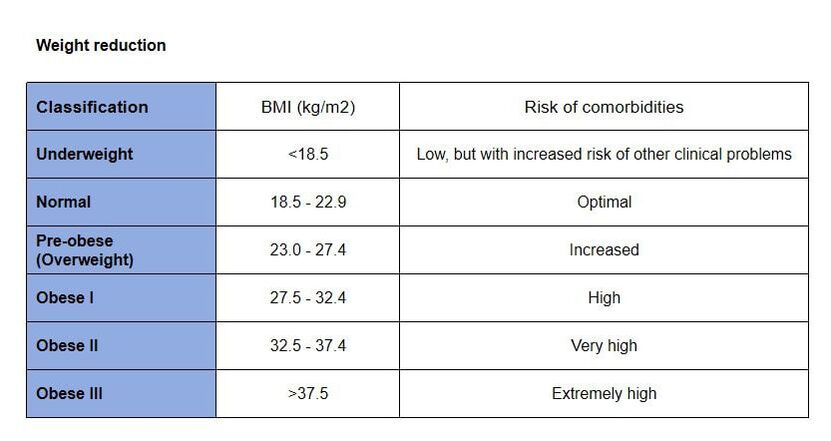
Individuals who are overweight or obese are at higher risk of comorbidities and should restrict their caloric intake with the goal of reducing body weight by at least 5% to 10%.
The metabolic syndrome
Two in five, or 35.9%, of adults in Malaysia have metabolic syndrome. One of the hallmarks of metabolic syndrome is visceral adiposity. In terms of overweight and obesity, the goal is not simply weight loss. Rather, it is the reduction of excess body fat that contributes to insulin resistance. Once insulin resistance develops, it increases the risk of other noncommunicable diseases, as well as the onset of type 2 diabetes. Having three or more components of metabolic syndrome—including abdominal obesity, high blood pressure, elevated blood sugar, high blood triglycerides (a type of fat in the blood), and low HDL cholesterol (good cholesterol)—increases the risk of diabetes, heart disease, stroke, and several cancers, including colon, breast, and liver cancer. Carbohydrate intake Monitoring carbohydrate intake is a key strategy in achieving glucose targets in people with diabetes. The focus is on three aspects: the type of carbohydrate, consistency of carbohydrate intake, and the total amount of carbohydrate consumed. People with diabetes should emphasize nutrient-dense carbohydrate sources such as vegetables, fruits, legumes, whole grains, and dairy products. Consumption of sugar-sweetened beverages and processed foods containing large amounts of refined grains and added sugars is strongly discouraged. These foods provide calories and sugars without meaningful nutritional benefits. Common sources of carbohydrates are whole grains, rice, bread, cereals and flour, fruits, legumes and pulses such as chickpeas and dahl, starchy vegetables such as potatoes, milk and dairy products. Watch for hidden carbohydrates such as cornstarch or tapioca starch added as thickeners in gravies, cream soups, and salad dressings, as well as sugar added to sauces and sweet-and-sour dishes. Foods coated with flour or breadcrumbs before frying also contribute additional carbohydrates. Processed foods such as crab sticks and fish balls often contain added starches. Exercise caution with energy bars, as many contain substantial amounts of carbohydrates and sugars. Ensure carbohydrate intake remains consistent from day to day, especially for individuals managing diabetes through diet alone, oral glucose-lowering medications, or fixed insulin regimens. Regular meal timing helps maintain blood glucose control. Avoid skipping meals. The total amount of carbohydrate intake can be monitored using gram measurements, exchange lists, household measurements, or hand-portion methods, provided the approach is practical for the individual. A minimum intake of 130 grams of carbohydrate per day is recommended to ensure adequate fiber, vitamin, and mineral intake, prevent ketosis, and maintain dietary palatability. There is no ideal percentage of carbohydrate, protein, and fat for all individuals with type 2 diabetes. A balanced diet is encouraged, consisting of 45% to 60% of daily energy intake from carbohydrates, 15% to 20% from protein, and 25% to 35% from fat. Both the diabetes plate method and carbohydrate counting are effective approaches for improving average blood glucose levels. The healthy plate model developed by the Ministry of Health, known as "Suku Suku Separuh," consists of one-quarter of the plate filled with lean protein sources such as fish, poultry, tofu, and legumes. Another quarter is allocated to carbohydrate sources such as cereals and tubers. Whole grains such as brown rice, whole-wheat bread, and chapati are preferred. The remaining half of the plate should consist of a variety of fruits and vegetables. Plain water should be the preferred beverage. A nine-inch plate is recommended instead of the 12- or 13-inch plates commonly used at buffet restaurants. Carbohydrate counting Carbohydrate counting is a more advanced skill that helps individuals plan and track the amount of carbohydrate consumed during meals and snacks. It offers greater flexibility because different carbohydrate-containing foods can be incorporated into the meal plan. It is important to individualize the distribution of total daily carbohydrate exchanges across meals according to a person's lifestyle. Increase fiber intake Fiber slows the absorption of glucose, resulting in a more gradual rise in blood glucose levels. The Malaysian Dietary Guidelines 2020 recommend consuming 20 to 30 grams of fiber daily. People with diabetes and those at risk are encouraged to consume a minimum of 14 grams of fiber per 1,000 kcal, with at least half of grain consumption coming from whole, intact grains, according to the Dietary Guidelines for Americans, 2020–2025. Generally, Malaysians consume 1,800 to 2,000 calories per day. According to the National Health and Morbidity Survey, 95% of Malaysians consume only two servings of fruits and vegetables daily instead of the recommended five servings. To increase fiber intake, aim for at least 50% of grains consumed to be whole grains, eat three or more servings of vegetables daily, consume two servings of fruit, and include legumes, beans, and pulses regularly. Whole grains are most commonly associated with brown rice. Other sources include quinoa, oatmeal, whole wheat, barley, and black rice. Choose low glycemic index (GI) GI is a measure used to classify carbohydrate-containing foods according to their effect on blood glucose levels. It indicates how quickly a food raises blood glucose after consumption. Replacing high-GI foods with lower-GI alternatives can reduce postprandial glucose levels and modestly improve HbA1c by approximately 0.14% to 0.5%, provided total energy and carbohydrate intake remain appropriate. The GI is classified as low when it is less than 55 and high when it is greater than 70. GI values are influenced by factors including fat content, soluble fiber, ripeness, storage duration, processing methods, cooking techniques, degree of starch gelatinization, and protein-fat interactions within foods. 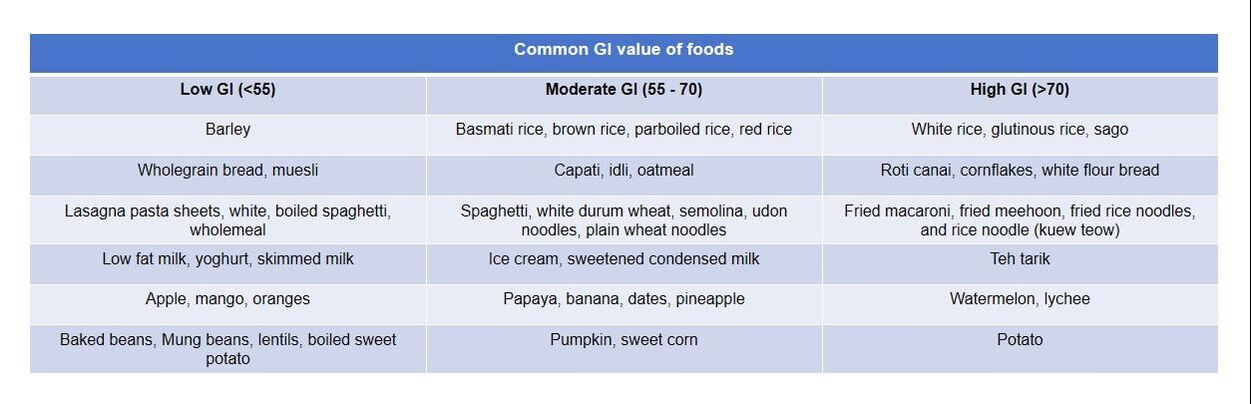
These are some of the common GI values of foods taken from the Clinical Practice Guideline of Type 2 Diabetes 2020.
Limit sugars
People with diabetes and those at risk are advised to replace sugar-sweetened beverages, including fruit juices, with water or low-calorie or no-calorie beverages to improve glycemic control and reduce cardiometabolic risk. The World Health Organization recommends limiting simple sugar intake to no more than 10 teaspoons per day. On average, Malaysians consume approximately 26 teaspoons of sugar daily. Simple sugars raise blood glucose rapidly and contribute to higher postprandial glucose spikes. Limit all sources of simple sugars, including sugar-sweetened beverages, bubble milk tea, carbonated drinks, 3-in-1 beverages, cakes, traditional desserts (kuih), and ice cream. Avoid alcohol Alcohol consumption has been associated with hypoglycemia and/or delayed hypoglycemia, particularly among individuals using insulin or insulin secretagogues. It may also contribute to weight gain and hyperglycemia, especially when consumed in excessive amounts. In situations where alcohol cannot be completely avoided, consumption should be limited to no more than two units for men and one unit for women per occasion. Consider Mediterranean diet pattern Multiple studies involving people with type 2 diabetes have reported that a Mediterranean-style eating pattern can improve both glycemic control and lipid profiles. Common features include the consumption of fruits and vegetables, whole grains, beans, nuts, and seeds. Olive oil serves as the primary source of fat. Moderate amounts of fish, eggs, and poultry are included, while added sugars, sugary beverages, sodium, highly processed foods, refined carbohydrates, saturated fats, and processed meats are limited. Meal replacement Meal replacements are prepackaged foods such as bars, shakes, and soups that contain standardized amounts of macronutrients and micronutrients. They can improve nutrient quality and glycemic management while helping reduce portion sizes and overall energy intake. In a meta-analysis involving 17 studies that incorporated both partial and total meal replacements, greater weight loss and improvements in HbA1c and fasting blood glucose levels were observed compared with conventional meal plans. The findings suggest that partial or total meal replacements may serve as an effective short-term strategy (less than six months) for weight loss. A structured lifestyle intervention combined with a total diet replacement of fewer than 800 kcal per day can induce weight loss of up to 15% of baseline body weight and may lead to diabetes remission in some individuals with type 2 diabetes. Other lifestyle strategies Other lifestyle strategies that help improve glucose management include self-monitoring of blood glucose and the use of continuous glucose monitoring when appropriate. Prolonged sitting should be interrupted at least every 30 minutes to provide blood glucose and other health benefits. Individuals should engage in at least 150 minutes of moderate- to vigorous-intensity aerobic activity each week, spread across at least three days, with no more than two consecutive days without exercise. They should also participate in two to three sessions of resistance training per week on nonconsecutive days and completely avoid tobacco use and vaping. |
EXPLORE FURTHER
|
Diabetes linked to higher gallbladder disease riskRecognizing hidden warning signs before serious pancreatic and biliary complications
|

|
Infants of diabetic mothers: Causes and complicationsPoor maternal glucose control during pregnancy heightens lifelong neonatal metabolic complications
|

|
Interpreting skin signs in diabetesEarly skin changes may signal hidden complications and poor glycemic control
|

|
Ethnic variations in glycaemic response to simple sugars and carbohydratesImpact on blood glucose levels in Caucasians versus Asians
|
|
One in 10 prediabetic individuals progress to diabetes within a yearLimitations of finger prick testing for prediabetes diagnosis
|
|
Teh tarik vs. teh O: The struggle every diabetes patient face!Managing carbohydrates to prevent hypoglycemia
|

|
Not so sweet: The connection between erectile health and diabetesDiabetes increases the risk of developing ED 3.5 times
|

|
Women with pre-term delivery, gestational diabetes and rheumatoid arthritis at higher risk of heart diseaseThree times at higher risk of cardiovascular deaths
|

|
Diabetes: Subtle signs you should not ignoreSubtle signs include urinating often, thirsty, urinary tract infection, weight...
|

|
Diabetic retinopathy: A common cause for blindness in adultsThe most common eye disease
|

|
Empowering children with type 1 diabetes mellitusIs complete avoidance of sweets and sugar the solution?
|
|
Can diabetes be reversed?Discover the power to reverse diabetes through nutrition and lifestyle
|

|
Maggot debridement therapy: Rescuing limbs from amputationAn innovative modality for the treatment of chronic wounds
|
|
Diabetes treatments continue to evolveGlucagon-like-peptide-1 receptor agonists increases the secretion of insulin
|