Emerging trends in melasma treatment: A multifactorial approach
October 22, 2024
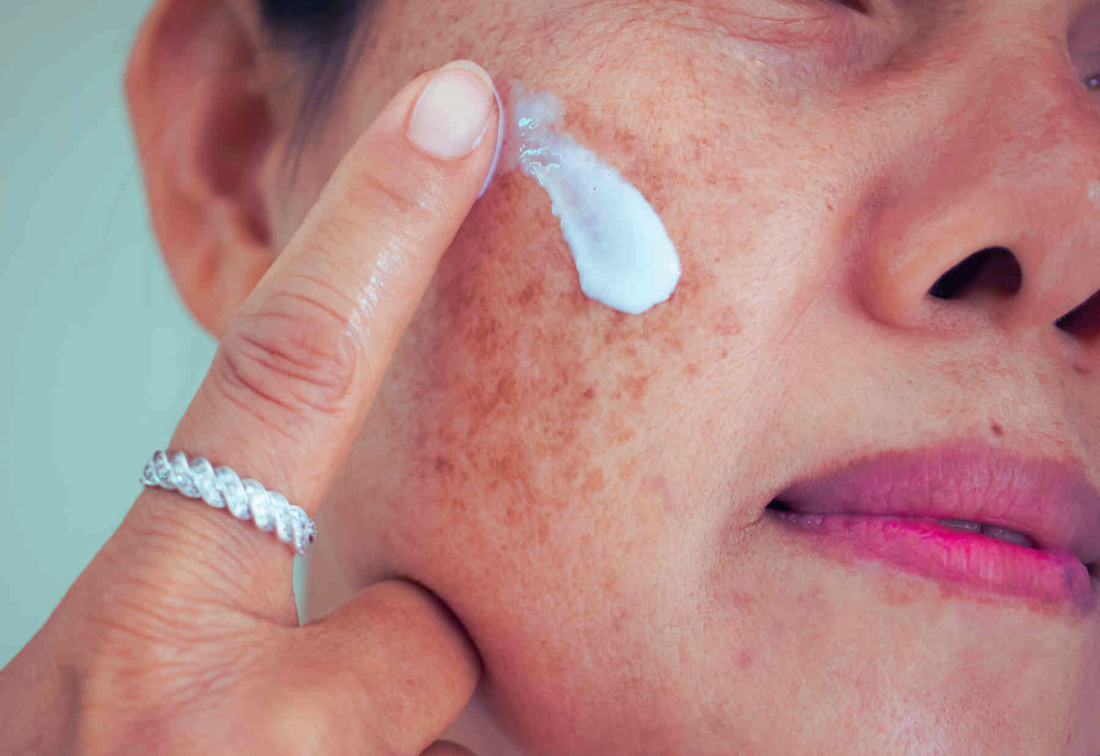
Melasma is a chronic and common pigmentary disorder primarily affecting women with skin types III to V. With a multifactorial etiology, melasma remains a persistent challenge in dermatology, particularly due to its high recurrence rate. Emerging treatments are taking a comprehensive approach, targeting not only pigmentation but also the vascular and photoaging components of the condition. In this article, we explore the latest advancements in melasma treatment, the role of new technologies, and the importance of an individualized approach to management.
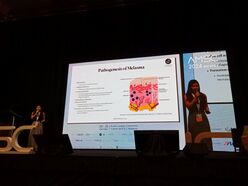
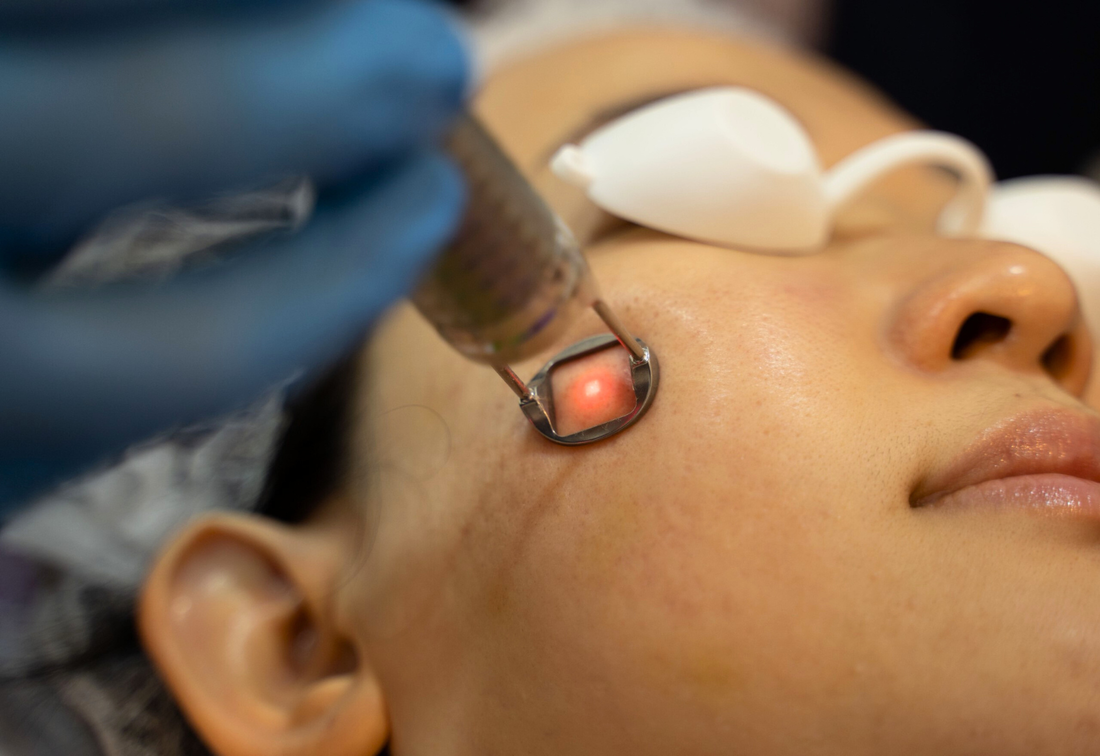
Understanding melasma: Risk factors and pathogenesis “Melasma is triggered by various factors, including genetic predisposition, hormonal changes, pregnancy, sun exposure, cosmetic irritations, and the overuse of cosmetic procedures,” explains Dr Su Phyo Aung (pix), dermatologist and Co-founder and Chief Consultant at Clinique de Skin Dermatology & Laser Clinic and The Hair Clinic by CDS in Yangon, Myanmar. She presented these insights at the recent Aesthetic Medicine & Surgery Conference & Exhibition (AMSC). One major concern, Dr Su notes, is the use of cosmetic products containing retinoids, as popularized by social media influencers. When used without sunscreen, these products, often intended for anti-aging purposes, can worsen pigmentation and aggravate melasma. Pathogenesis of melasma The pathogenesis of melasma is complex and multifaceted. It involves basal membrane disruption, leading to the migration of melanocytes deeper into the skin. UV-induced aging of fibroblasts promotes cytokine and stem cell factor secretion, which accelerates photoaging, melanin production, and collagen breakdown. This results in melanophage proliferation, mast cell activation, and increased vascular endothelial growth factor (VEGF) production. Together, these factors contribute to inflammation, collagen degradation, and neovascularization, further complicating the treatment of melasma. The melanogenic pathway in melasma Melanogenesis, the process responsible for melanin production, is mediated by multiple cells, including melanocytes, keratinocytes, fibroblasts, endothelial cells, and mast cells. In melasma, the cell’s recycling system, or autophagy, is impaired, making it more difficult for melanocytes to eliminate excess pigment. This highlights the importance of targeting various pathways in treatment, as melasma is not merely a pigmentation disorder but involves deeper, more intricate biological processes. Challenges in melasma treatment One of the greatest challenges in melasma treatment is its high recurrence rate, with studies showing that 50-80% of cases recur even after successful treatment. Treatment resistance is another issue, as many conventional therapies do not provide long-lasting results. Strict photoprotection is essential, but it can be difficult to maintain, especially when factoring in blue light exposure from electronic devices. Furthermore, aggressive treatments carry the risk of post-inflammatory hyperpigmentation (PIH), which can worsen pigmentation in some cases. Dr Su emphasizes that the goal of melasma treatment is management, not cure. Success is measured by long-term control, with results lasting at least six months rather than focusing on short-term improvements. Conventional melasma treatments Historically, melasma treatment has relied on sun protection, topical treatments such as hydroquinone and retinoids, and skin-lightening agents like kojic acid, niacinamide, ascorbic acid, and azelaic acid. Chemical peels have also been employed but are now less favored due to irritation and the risk of exacerbating melasma. “Conventional treatments often show poor results, partly because it is difficult for patients to reapply sunscreen every two to three hours,” Dr Su explains. Chemical peels are no longer widely used due to their potential to irritate the skin and worsen pigmentation. Emerging treatments for melasma New treatments are emerging that target the different components of melasma—pigmentary, vascular, and photoaging. One such development is the introduction of visible light photoprotection, which combines UVA1 and visible light to protect darker-skinned individuals from pigmentation and erythema. This approach is especially important as it recognizes that UVA and UVB protection alone are insufficient for effective melasma management. Sunscreens must now offer protection against visible light as well, with tinted moisturizers containing iron oxide being particularly effective in this regard. Tranexamic acid Tranexamic acid, available in oral, topical, and intradermal injection forms, is another promising treatment. Research shows that tranexamic acid blocks the plasminogen system, reducing UV-induced inflammation, neovascularization, and melanocyte activation. It also inhibits VEGF production, decreases mast cell activity, and enhances autophagy, which helps in melanosome degradation and reducing pigmentation. Oral tranexamic acid at a dose of 500mg daily for a minimum of 12 weeks has demonstrated significant improvements, with some patients experiencing up to a 49% reduction in their modified Melasma Area and Severity Index (mMASI). For individuals who cannot tolerate oral tranexamic acid, intradermal injections or topical formulations can be considered. However, topical tranexamic acid has poor permeability, depending on its formulation. Laser and energy-based devices Advances in laser and energy-based devices are offering new hope for melasma patients. For pigmentary components, 1064nm Q-switched Nd and fractional picosecond lasers are commonly used. Vascular components are treated with intense pulsed light (IPL) and pulsed dye lasers (PDL), while solar elastosis can be addressed with fractional 1550nm erbium glass lasers or micro-needling radiofrequency (MNRF) devices. Q-switched Nd This remains the gold standard for melasma treatment due to its ability to fragment melanin with minimal heat damage. Picosecond lasers, although newer, offer similar efficacy with fewer side effects and less pain. The combination of laser toning with MNRF has shown to be more effective than laser toning alone, as MNRF enhances extracellular matrix repair and promotes melanin elimination. Biostimulators and Exosomes Biostimulators, such as skin boosters, are gaining popularity as they enhance skin quality and reduce pigmentation. Exosomes, which are extracellular vesicles secreted by cells, have also emerged as a promising treatment. These vesicles play a crucial role in intercellular communication, stimulating dermal fibroblast activity and reducing melanin production. Exosomes can be delivered through mesotherapy or transepidermal delivery and have shown significant improvements in melasma severity when combined with micro-needling or non-ablative fractional lasers (NAFL). Comprehensive approach to treatment Dr Su’s approach to melasma treatment begins with photoprotection, particularly sunscreens with visible light protection. She then uses skin-lightening agents, followed by gentle chemical peels to exfoliate superficial pigmentation. Tranexamic acid, either orally or topically, is also incorporated into her regimen. Advanced laser treatments, such as fractional picosecond lasers and IPL, are used for deeper pigmentation and vascular components, while micro-needling and exosome treatments are employed to promote skin regeneration. Melasma remains a challenging condition, with complex etiology and high recurrence rates. However, advancements in treatment options, from tranexamic acid to cutting-edge laser technologies, offer new hope for long-term management. While there is no cure, these emerging trends provide effective strategies for reducing pigmentation and maintaining clear skin for longer periods. |
EXPLORE FURTHER
|
Melasma: A photoaging disorder or pigmentation?A look into the effectiveness of fractional ruby and picosecond lasers
|

|
Debunking skin care myths: 10 misconceptions that could be harming your routineUnderstanding skincare and how the right routine can transform your skin’s health
|

|
Sensitive skin care: Breaking down skin barrier repair and allergy managementExploring skin sensitivity, its causes, and effective treatments
|

|
The culture of colourism: The obsession with lighter skin tones driving opportunities in the skin lighteners market |