How substance abuse hijacks the brain’s reward system
August 26, 2026
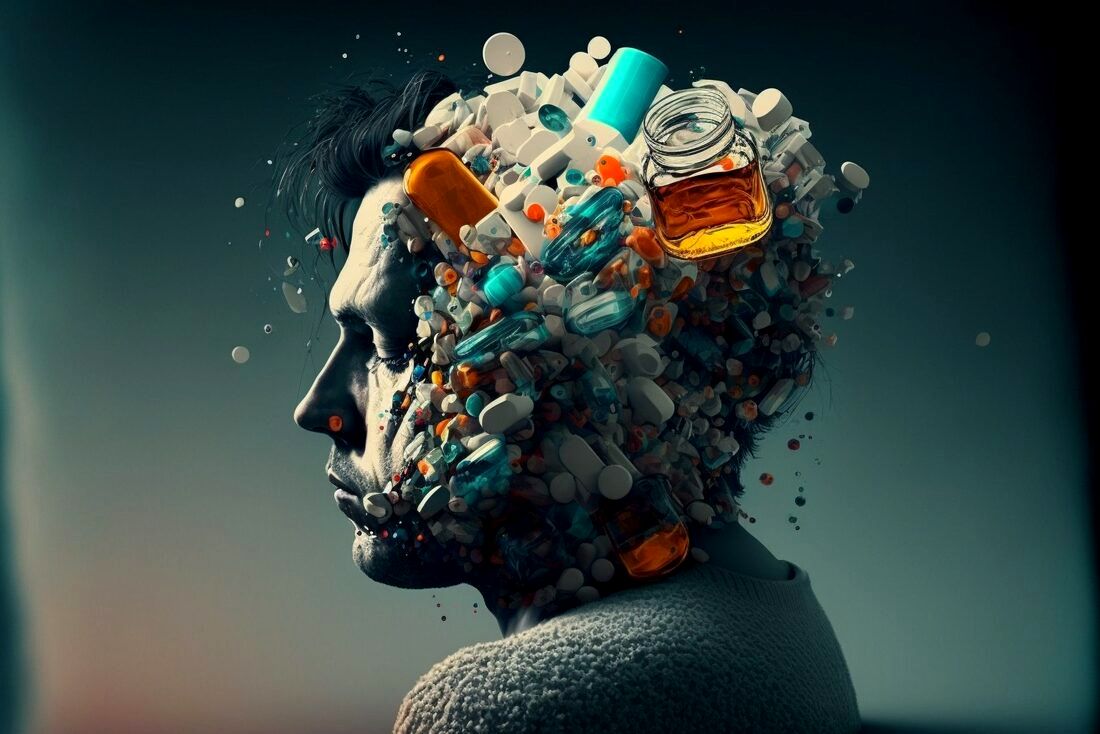
Drug abuse overstimulates the brain’s reward system, triggering dopamine surges that reinforce cravings, repeated use and an escalating cycle of addiction.
Most of us have habits. We may automatically reach for our phone, drink coffee at the same time each morning or follow familiar routines without giving them much thought.
Addiction is different. A person experiencing addiction may repeatedly use a substance or engage in a behavior even when it is damaging their health, relationships, finances or work. What may have begun as a voluntary and pleasurable activity can gradually become much harder to control. This is why telling someone with an addiction to "just stop" often misunderstands the problem. Addiction involves changes in motivation, reward, learning and self-control—and recovery can require medical, psychological and social support. Substance addiction, clinically described as a substance use disorder, is characterized by a problematic pattern of substance use that causes significant impairment or distress. Common features can include:
Not everyone experiences all of these features, and addiction exists on a spectrum of severity. Certain behaviors can also become problematic or compulsive. However, it is important not to label every pleasurable or repetitive behavior an "addiction". Clinical definitions vary according to the behavior concerned. Why do people have addictions? An individual who is low in dopamine will seek out substances and/or behaviors known to boost dopamine function. This can be temporarily achieved through alcohol, drugs, food, smoking, sex and gambling. Addictive drugs like opiates, which include codeine, ice, morphine and heroin, can cause blocks in gastrointestinal system often causing constipation and impaired gastrointestinal integrity. Stimulants like cocaine and methamphetamine significantly decrease appetite, leading to weight loss and malnutrition. Drugs like ice, marijuana and cocaine make you feel euphoric or “high’. The brain stops producing dopamine once the euphoria wanes. Lack of dopamine lead to depression. Ice, also known as crystal meth, is a stimulant that speeds up the messages going to and from your brain and belongs to amphetamine family of drugs. People who use ice suffer from paranoia, hallucinations, memory loss and sleeping difficulties. When the nuerotansmitters are out of balance, the addict finds it difficult to satisfy craving. They become progressively powerless. All drug abuse target the brain’s reward system by increasing dopamine. The over stimulation of dopamine system will prompt reward in the form of satisfaction or euphoria, which teach addicts to repeat the behavior. When some drugs of abuse are taken, they release ten times the amount of dopamine, initiating the behavior of needing to take more and more again. After a while, the user does not get the same pleasure and has to increase the dose, so the body’s tolerance to addiction also increase. Over time the drug use depletes the brain of dopamine and the inability to produce dopamine naturally. Addiction or habit: what is the difference? The distinction is not simply that habits are easy to break and addictions are difficult. A habit is a behavior that becomes relatively automatic through repetition. Habits can be healthy, unhealthy or neutral. An addiction involves impaired control and continued engagement despite significant harm. A person may know that their substance use is damaging their marriage, worsening their health or jeopardizing their employment—and genuinely want to stop—but still find themselves returning to it. That conflict between intention and behavior is one of the reasons addiction can be so distressing. It is also why addiction should not be viewed simply as a character weakness. What happens in the brain? The brain has reward and learning systems that help reinforce behaviors important to survival. Dopamine plays an important role in these systems, particularly in motivation, reinforcement and learning. Many addictive substances can produce unusually powerful effects within reward pathways. With repeated exposure, the brain adapts. Over time, cues associated with the substance—certain people, places, emotions or situations—can themselves trigger powerful cravings. Brain systems involved in decision-making, impulse control and evaluating consequences also play an important role. This helps explain why someone can understand intellectually that a behavior is harmful yet still find the urge extraordinarily difficult to resist. But it would be an oversimplification to say addiction simply "floods the brain with dopamine" or permanently destroys the brain's control center. Addiction involves multiple interacting brain circuits, and importantly, the brain retains the capacity to change. Recovery is possible. Tolerance and withdrawal Two terms frequently associated with addiction are tolerance and withdrawal. Tolerance occurs when repeated exposure produces adaptation, meaning a person may need a larger amount to obtain the same effect they previously experienced with less. Withdrawal describes physical or psychological symptoms that can occur when some substances are reduced or stopped after regular use. Symptoms vary considerably according to the substance. They may include anxiety, irritability, sweating, tremor, nausea, sleep disturbance and other symptoms. Withdrawal does not occur in exactly the same way with every addiction, and tolerance or withdrawal alone does not necessarily establish a diagnosis of addiction. Why do some people develop addiction? There is no single "addictive personality" and no single cause. Addiction usually develops through an interaction between biology, psychology and environment.
Addiction affects more than the brain Although addiction involves the brain, its consequences extend throughout the body and into almost every aspect of life. Depending on the substance, chronic use can affect the cardiovascular system, liver, lungs, gastrointestinal tract and nervous system. Addiction can also affect nutrition, sleep and personal safety. The consequences frequently extend beyond physical health. Relationships can deteriorate. Financial problems may develop. Work or education can suffer. Someone may gradually withdraw from friends, family and activities that previously mattered to them. These consequences can then generate additional stress, potentially driving further substance use. Breaking this cycle is an important part of recovery. People do not always recognize addiction in themselves. Are you addicted? Consider these questions:
Calculate the number of answers you’ve circled against the total number of possible results. If you scored more than 30% of the check list, you may have an imbalance. It is important to investigate your body chemistry with validated functional laboratory testing. Answering "yes" does not by itself establish a diagnosis. Note that the underlying causes always needs to be assessed, and addressed as mental health is managed. Recovery is more than stopping Successful recovery is not simply the absence of a substance. It also involves understanding what maintained the addiction in the first place.
Treatment may therefore include learning strategies for managing cravings, identifying triggers, developing healthier coping mechanisms and rebuilding relationships and routines. Relapse can occur during recovery. It should be taken seriously, but it does not necessarily mean treatment has failed. It can signal that the treatment plan or level of support needs to be reconsidered. Supporting someone with addiction Watching someone you care about struggle with addiction can be extremely difficult. Criticism, humiliation and moral judgement rarely solve the underlying problem. Support does not mean ignoring harmful behavior or removing every consequence. Boundaries may be necessary, particularly when safety, children, finances or violence are involved. But encouraging the person to seek professional treatment is usually more constructive than treating addiction simply as a lack of discipline. Family members may need support themselves. Addiction is treatable Perhaps the most important message is that addiction does not have to define the rest of a person's life. Repeated substance use can change how the brain responds to reward, stress and environmental cues. But human behavior and the brain are also capable of adaptation and recovery. Treatment may take time. Some people require several attempts. Others need long-term medical or psychological support. Seeking help is not evidence of weak willpower. It is recognition that a health problem has become difficult to manage alone. |

EXPLORE FURTHER
|
The complex landscape of drug abuse in Malaysia: A multifaceted analysisUnveiling the historical context, policy responses, and ongoing challenges
|
|
Methamphetamine's menace: Unraveling its impact on mental healthA comprehensive journey into its far-reaching implications
|

|
Behind bars: Exploring mental health challenges in incarcerationNavigating the intersection of mental health and substance use disorders
|

|
Addressing the impact of drug policies on women and youthA call for reform and advocacy efforts
|