Is life without stress really possible?
July 14, 2026
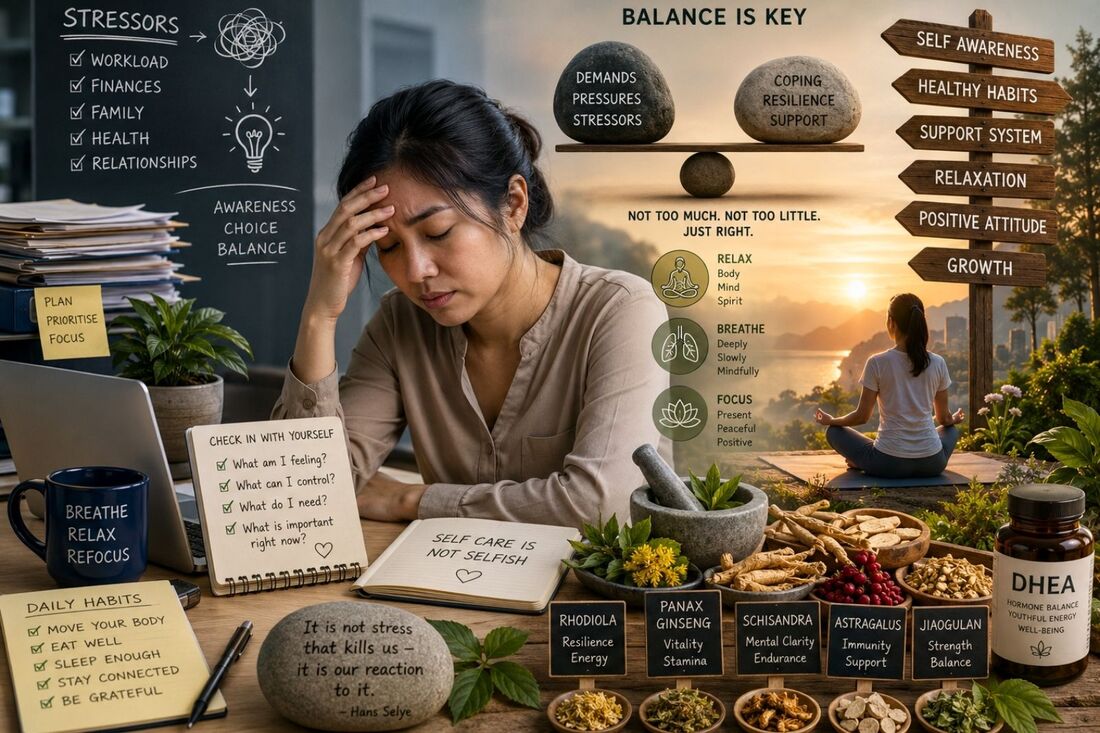
Stress is personal. Our experiences, personality, health, and support systems shape how we respond to life's everyday challenges and pressures.
Imagine a day without making a single decision. No need to choose what to wear, what to eat, which route to work to take, or how to respond to a colleague. Such a life simply does not exist.
From the moment we wake up until we go to bed, our lives are filled with decisions. Yet, surprisingly, most of these choices do not make us feel stressed. Why? The answer lies in routine. Through experience, our brains automate many daily tasks, allowing us to conserve mental energy for more important decisions. What once required careful thought becomes second nature. Stress, therefore, is not created by every decision—but by situations that challenge our ability to cope. Stress: Friend or foe? Contrary to popular belief, stress is not always harmful. In fact, the right amount of stress helps us perform at our best. Athletes call it being "in the zone." Students experience it before examinations. Surgeons rely on it during complex operations. Stress sharpens concentration, increases alertness, and motivates action. Problems arise only when stress exceeds our ability to manage it. Think of stress as a rubber band.
Our goal is not to eliminate stress but to achieve the optimal level that enhances performance without causing exhaustion. Understanding stress One of the simplest definitions of stress is: Stress is the balance between external demands and our ability to cope with those demands. Two people may face the same challenge yet react very differently. Why? Because our response is influenced by many factors, including:
Stress is therefore highly individual. Personality matters Every individual approaches life's challenges differently. Although personality is complex, people often display one of two broad behavioral styles. The tellers These individuals are generally:
While they often solve problems quickly, they may also experience conflict because of their direct communication style. The askers These individuals tend to be:
Although they usually maintain harmonious relationships, they may internalize stress rather than express it openly. Neither personality is better than the other. Effective stress management begins with understanding your own behavioral style. Recognizing the warning signs Stress rarely appears overnight. Our bodies usually send warning signals long before we realize we are overwhelmed. Physical symptoms
Emotional symptoms
Behavioral symptoms
Recognizing these symptoms early allows intervention before stress develops into burnout. Accept that stress is normal One of the greatest misconceptions is believing that experiencing stress means we are weak. Nothing could be further from the truth. Stress is a normal biological response. The key is not avoiding stress—but learning how to respond to it effectively. Overcoming the aging effects of stress Dr Hans Selye, the brilliant physician who identified and mapped out the stress response, acknowledged that stress is an unavoidable fact of life. After a lifetime of research on the health effects of stress, Selye ultimately concluded that stress is absolutely necessary to our survival, and even desirable for its ability to enhance our performance. Every stress leaves an indelible scar, and the organism pay for its survival after a stressful situation by becoming a little older. But as Selye and later stress researchers concluded, our individual response to stress is the critical factor that determines its impact on our health. Han Selye 's theory of stress
Treating the symptoms of stress just masks the problem Doctors typically treat stress-related symptoms with everything from sleeping aids and antidepressants to anti anxiety medications. Not only do these drugs carry serious side effects and risks of their own, but none of them addresses the hormonal impact of stress. Managing stress effectively Managing stress begins with awareness. Ask yourself:
Healthy ways to cope Seek emotional support
Seeking help is a sign of strength—not weakness. Identify your stressors Make a list of current stressors. For example:
Then identify positive resources that support you, such as:
Three simple relaxation techniques 1. Progressive muscle relaxation A proven technique that reduces muscle tension. How to practise:
2. Deep breathing meditation This can be practised almost anywhere.
3. Guided imagery Allow your mind to visit a peaceful place. Imagine yourself:
Managing stress is not about escaping life's pressures. It is about strengthening our capacity to face them. Healthy lifestyle habits form the foundation of resilience:
The healthcare professional's role Healthcare professionals face unique stressors—heavy workloads, emotional demands, long working hours, and responsibility for patients' lives. Promoting a culture that encourages open communication, peer support, regular debriefing, and work-life balance is essential for preventing burnout and maintaining high-quality patient care. Organizations should invest not only in clinical excellence but also in the psychological well-being of their workforce. How well are you coping? Some people are able to handle a lot of stress; others seem to unravel over relatively minor problems. A blood test can give you a more precise picture of how well or how poorly your body is coping with stress by looking at the levels of two important hormones:
Beyond stress: adrenal exhaustion After prolonged stress and prolonged overproduction of cortisol, the adrenals are unable to produce cortisol at all. In general, people with adrenal fatigue find themselves feeling overwhelmed and defeated by even minor challenges. Extreme fatigue, depression, and lack of motivation are all typical. It's also common to experience periods of anxiety and have trouble relaxing and falling asleep at night. Adaptogenic herbs Schodandra ( wu-wwi-zi) Improves mental coordination and physical endurance, neuroprotective, enhance mitochondrial glutathione status, generates ATP, enhances cognitive functions, eliminates side effects of anti-depressant drugs. Rhodiola ( rhodiola rosea) or golden roots Contains salisdroside which suppresses cortisol production and restores sleep after stress. Its tyrosine induces the expression of longevity protein SIRT1, anti-depressive effects, significantly reduces symptoms of fatigue and improved attention, prevents exhaustion and fatigue during work requiring long intensive mental activity, improves cognitive functions during fatigue and in stressful conditions, reduces depressive symptoms. Panax ginseng with 28 ginsenosides Increases Adrenocorticotropic hormone (ACTH) secretion, elevates moods, improves physical activity and performance, improves glycosylated hemoglobin, reduces fasting blood sugars and body weight, is anti depressant, anti diabetic, anti hypertensive and has anti cancer properties. Astragalus Enhances functions in distressed organs; raises natural killer cells, raises T cells activity and enhances macrophage activity. Jiaogulan (Gymostemma pentaphyllum) Bolsters the immune system while enhancing strength and physical endurance, increases anti inflammatory activity, improves fat metabolism and moderates cholesterol levels. Dehydroepiandrosterone (DHEA) DHEA levels may be low due to the suppressive effects of ongoing stress or in our natural production of DHEA as we age. Whatever the reason, the goal of DHEA replacement therapy is to restore DHEA levels to youthful or optimal ranges. For men, 50mg per day or higher is recommended. But women often need less DHEA than men in order to get good results. Some women are exquisitely sensitive to even a small amount of DHEA, and for them, 10mg per day or even 5mg per day is sufficient. The goal is to find the lowest dose that is effective. DHEA can be energizing, hence it is best taken in the morning so that it doesn't have too stimulating an effect when you are trying to sleep. As we've seen, stress hormone imbalance is one of the most common causes of accelerated aging and disease. Restoring a balance between cortisol and DHEA is the first important step in creating a more youthful hormone profile. |
|



EXPLORE FURTHER
|
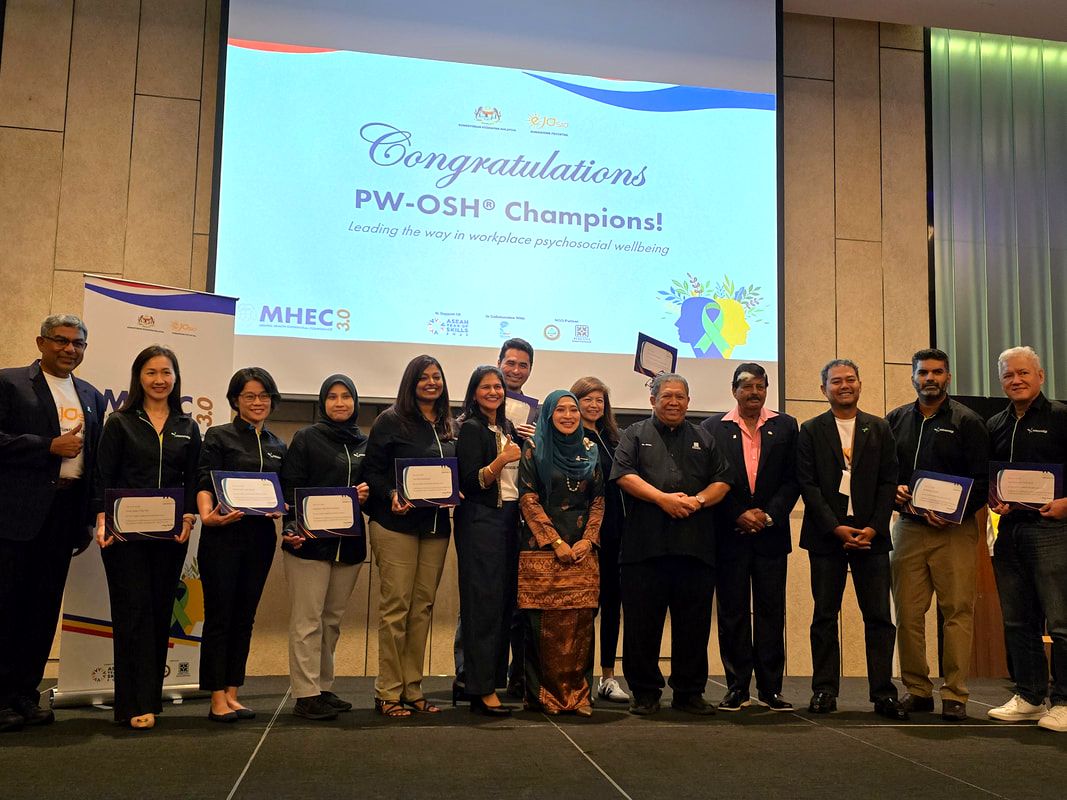
EJAsia launches internationally accredited psychosocial wellbeing OSH certificationA milestone in professionalizing psychosocial support within workplaces
|
|
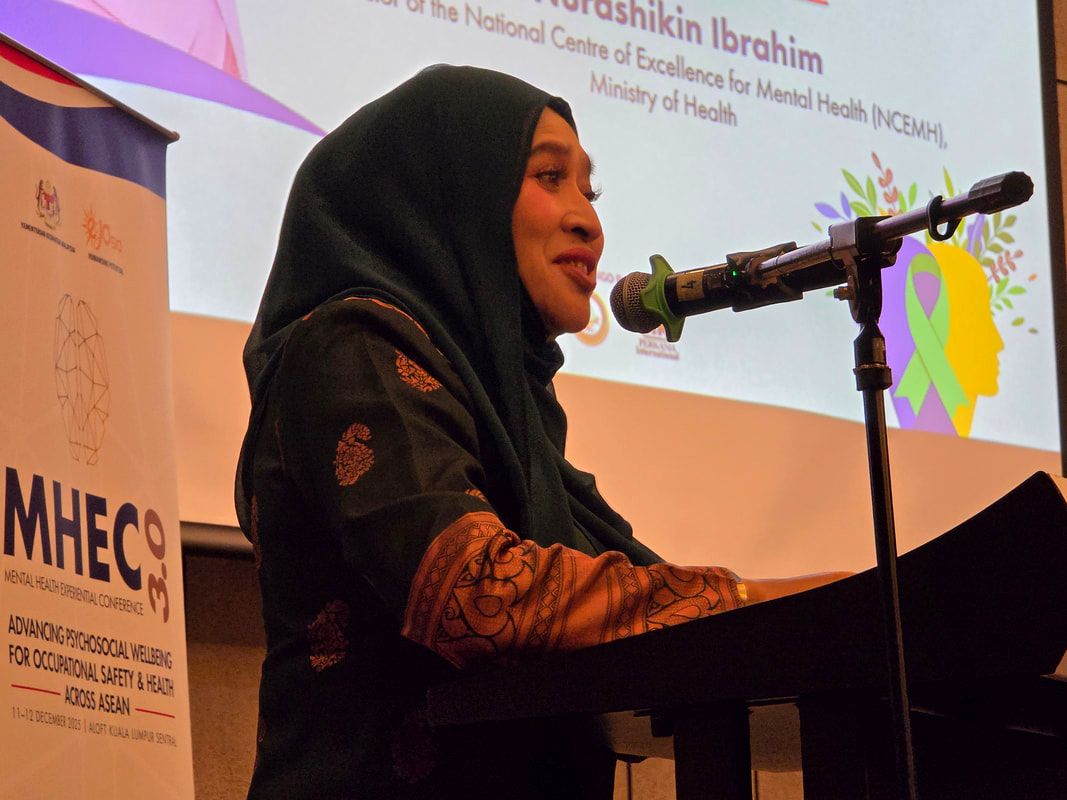
National Centre of Excellence for Mental Health to advocate mental health coverage within insurance policies in 2026, says directorInvest in prevention now or pay later through higher treatment costs, productivity losses
|

|
Confronting Malaysia's mental health crisis among menHow traditional masculinity norms and societal expectations are fueling a hidden epidemic, and what we can do to help
|
|
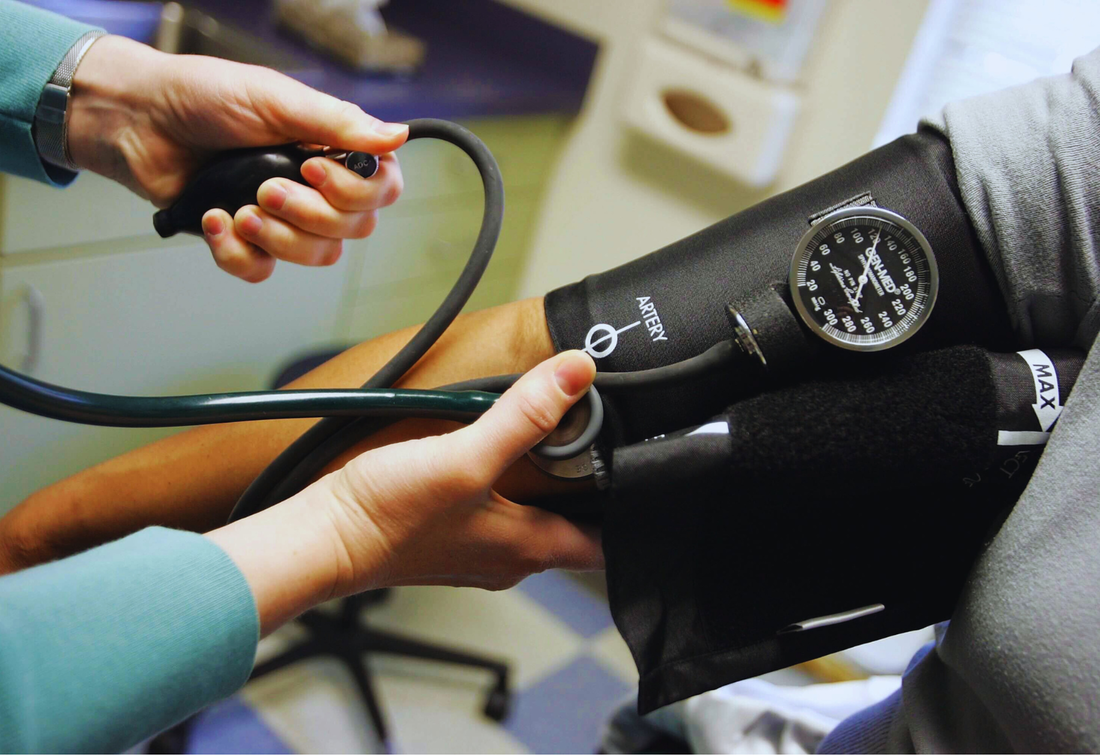
The overlooked connection: Medical disorders and mental health misdiagnosisCrucial role of thorough health assessments before assigning mental health diagnoses
|
|
Trauma: The science behind its impact on the brain
The amygdala: Heightened sensitivity and its impact on emotional responses
|
|
Life skills education in schools: A key to reducing depression, anxiety among children and adolescentsWhy social media aspirations should not diminish the value of school
|

|
Mastering emotional resilience at work on Mondays: A guide to starting the week strongStrategies to empower you to face the week with confidence and effectiveness.
|

|
The devastating impact of domestic violence on children: From childhood obesity to adult relationship challengesHealing childhood trauma for adult well-being
|

|
I need help..." - The silent cries of students suffering from mental health issuesIdentifying key behavioral changes indicating potential mental health issues
|

|
Four vital components to well-beingHolistic approach to mental health: Physical, psychological, social, and spiritual
|

|
Are you in a physical - psychological abusive relationship? Key provisions for abuse victimsThe dynamics of psychological and financial abuse in relationships
|

|
The devastating effects of domestic violence on pregnant women, fetus and childrenImpact of domestic abuse on children's development and future behavior
|
|
Are you sad or depressed? How do you differentiate the two?Distinguishing grief from depression
|
|
How mental health affects your lifeExploring the three key areas affected by mental health issues
|

|
Survey reveals mental health and stress continue to affect organisation's bottom lineImpact of health-related absences on Malaysian workplace productivity
|
|
A call to create hope for the suicidalAddressing the urgency of suicide prevention
|

|
Low rate hospital admission for schizophrenia patients after a year in community psychiatric and rehab serviceUnderstanding schizophrenia: Symptoms, treatment, and the impact on lives
|

|
One psychiatrist per 100,000 population insufficient, says associate professorAddressing the mental health crisis: Awareness, education, and support in Malaysia
|
|
Arson, animal cruelty and lack of remorse - traits of personality disorders to look out for in a personPatterns of behavior and their impact on relationships
|

|
When mental illness is mistaken for demonic possessionDebunking myths: Understanding mental illness beyond historical misconceptions
|
|
The psychology behind public masturbation and indecent exposureExploring paraphilias: Understanding fetishes and sexual arousal disorders
|
|
Eating disorders - A mental health issueEssential facts about mental health and psychiatric disorders
|