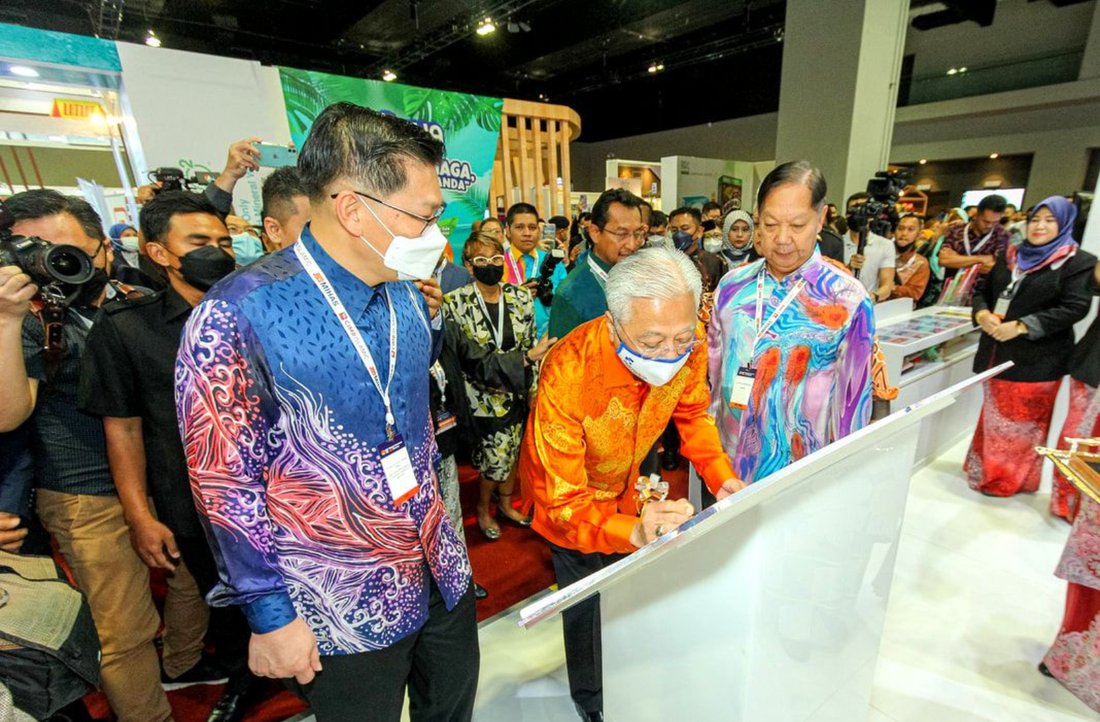
Malaysia poised for digital healthcare revolution, says former Health director generalJune 10, 2024
Data from 2015 shows that out of a total population of 32.4 million in Malaysia, there were 25.8 million internet users, 117.9% broadband penetration, 134% mobile cellular penetration, 75.9% smartphone penetration, 3.4 million social media users, 62% of businesses connected to the internet, 90% of government services provided via online platforms, 12.3 million e-commerce users, 27.6 million internet browsing sessions, and 12.8 million mobile banking users.
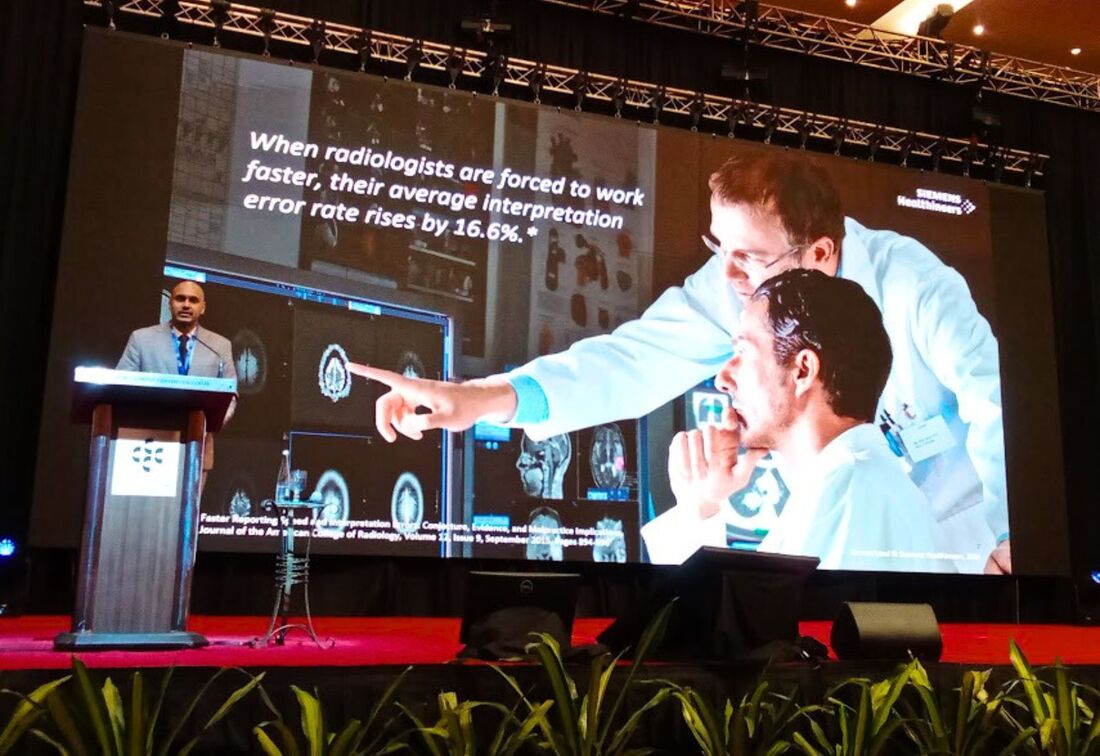
“The number of people has increased in Malaysia since this data. So, we have all the infrastructure and ingredients for us to move forward. This means that the ecosystem is there. The question is, how are we going to use the ecosystem to facilitate and optimize the resources we have in our healthcare system? Like it or not, change is coming. If you do not change, then you will be obsolete," said Tan Sri Dr Noor Hisham Abdullah, former director general of the Ministry of Health, Malaysia, during his presentation at the Association of Private Hospitals, Malaysia (APHM)’s 30th International Healthcare Conference and Exhibition - Shaping the Future of Healthcare: Trends and Insights for Tomorrow. Healthcare reform He stressed that the focus of future healthcare is quality and safety of care, emphasizing "no harm, safe" should be the goal. More importantly, the question is how things can be done better, faster, and safer. This is the whole structure of reform in healthcare, whether in the public sector or private. Next is the shift from illness to wellness. All these years, the focus was on purely health. But it is about time that the pendulum shifts to wellness and preventive measures to reduce illness. Otherwise, more hospitals and operating theatres will continue to be built. Tan Sri Dr Noor Hisham pointed out that there were almost zero trauma cases during the COVID-19 lockdown despite the cases that did come in. Similarly, investing in safety should be a priority to reduce the volume of patients coming to the hospital. This can be achieved by minimizing severe cases and advanced-stage cases through early treatment, which is more cost-effective. He also emphasized the importance of bringing healthcare back to communities, families, and individuals. Technology, which is already available to us, is an ideal tool for this. The question is, how can we bring these scenarios back home? “For example, postnatal care for mothers and babies has been done over the years. Our nurses go to homes to manage the mother and the baby. So if that can be done, why can't we do it for other disabled people, such as stroke patients, instead of having them come to our hospitals? This is the way to think differently. If we have the tools and means to do so, can we do it better, safer, and faster?" Next is inclusive innovation and smart solutions. Digital transformation in the healthcare system began in 1997 with the focus at that time on converting analog to digital. But the system remains the same; it is just electronic systems. “The way we think and the way we innovate is still the old system. IT today offers endless possibilities with more data, big data around IoT, and the application of AI to improve our experience. Thus, we need to look into how we can unify all the systems that we have. Not just one hospital or one department, but the overall picture of integration between services, quality of care, and safety. This is important. If we can do so, this is the way forward for us to transform healthcare. Creating ideas and information and continuously innovating to improve the healthcare system is vital to achieving better, faster, and safer outcomes. These principles will amplify business solutions and data interpretation, helping to predict and implement efficient measures in the future. Forging collaborative partnerships to integrate the whole ecosystem Collaborative partnerships are crucial—working with experts outside of healthcare, such as IT professionals, and bringing in experienced individuals from various fields to integrate the whole ecosystem. The goal is to enhance the healthcare experience by doing things better, faster, safer, and cheaper, leveraging the volume managed within the ecosystem. This is an opportunity to think outside the box and see things differently. One must always consider the patient experience. A unified healthcare system is essential; it must meet patient needs and provide a distributed response. “Private integration, as we learned during the pandemic, was driven by existing technology. There was no impetus to use it until the pandemic forced our hand. Telecommunication was utilized extensively. Similarly, we need to learn from this experience and explore all kinds of innovation to ensure that private integration can bring about the necessary changes,” said Tan Sri Dr Noor Hisham. He emphasized, “It is not the strongest or the most intelligent who will survive, but those who are adaptable to change. This is a new environment, and whether you like it or not, it will have to change.” Enhancing cost-effectiveness in healthcare procurement Public-private integration is critical but uncommon locally. While this integration was seen during the pandemic, it remains insufficient. It needs to be enhanced locally, regionally, and globally to optimize resources. Tan Sri Dr Noor Hisham then emphasized the importance of cost-effectiveness in healthcare procurement during his presentation. "So let's consider the cost-effectiveness of the COVID-19 vaccine. When we negotiated with companies, we learned from our friends in the EU that there was only one person negotiating on behalf of all 30 EU countries. With such volume, they could secure better pricing and faster delivery. We negotiated and paid for vaccines in December 2020, but the vaccines only arrived six months later. If you have volume, you can bring down the price." "Dengue is another example. In the past, research showed many cases in the country, and we asked general practitioners (GPs) why they weren't testing for dengue. Early management could prevent advanced-stage hospitalizations. They said the dengue test was expensive, costing RM90, and with consultation and treatment, it would be over RM150 to RM200 for a patient." "So, the Ministry of Health negotiated on behalf of the GPs, leveraging our volume, and reduced the cost of the dengue diagnostic test kit from RM90 to RM15. Again, if the public and private sectors come together, we can capitalize on these resources." "Using the ASEAN platform, we have the volume. The year before I retired, we negotiated procurement terms for 82 medicines under the Ministry of Health, Ministry of Higher Education, and Ministry of Defence. This saved us RM179 million for the same 82 types of medicines. This shows the importance of volume in bringing down the cost. These are some of the things that can be done differently." Strengthening healthcare: The 5Cs approach Tan Sri Dr Noor Hisham highlighted the need to strengthen prevention, preparedness, and response through the 5Cs, which are interlinked with subsystems occupying the intersection of health security, primary healthcare, and health promotion, with IT as the backbone. The 5Cs are:
Collaborative surveillance involves genomic testing and sharing information between countries, which requires a robust IT foundation. Community protection focuses on informing and engaging with the community about the do's and don'ts. To build trust, it's necessary to explain issues and challenges and manage community expectations. Trust, once established, must grow over time, which can be achieved through IT and social media. Clinical care involves using acquired experience to scale up the capacity of the healthcare base by integrating public and private sectors. It's important to monitor the requirements of the base daily and ensure the system looks into overall base availability in both sectors. Medical countermeasures encompass vaccines, diagnostics, and health measures. The focus is on integrity, trust, and coordination during emergencies. Engagement is now borderless, allowing information to be shared globally. Social media platforms like Facebook are vital communication tools, enabling faster and better outreach. “During my time as director general, reporters didn't need to come to my office for news. They could always get the latest updates from social media,” added Tan Sri Dr Noor Hisham. He emphasized that the changes extend beyond new structures and are transforming the DNA of the organization. Every clinic and hospital must start to change, beginning with a shift in mindset before embracing changes in the IT system. New healthcare trends: Present, legal, ethical, and safety challenges in Malaysia Malaysia is experiencing rapid advancements in healthcare, but sometimes regulations struggle to keep pace with IT developments, according to Tan Sri Dr Noor Hisham. He outlined ongoing efforts to address these challenges, including white papers, supply-demand surveys, stakeholder engagements, industry consultations, regulatory frameworks, and proof-of-concept pilots. These efforts focus on delivering healthcare through digital platforms, democratizing services, mHealth, emerging technologies, the Internet of Things (IoT), artificial intelligence (AI), and cloud-based services. New service / care models The move towards delivering healthcare through digital platforms (the "Uberization" of healthcare) and democratizing services requires a robust regulatory framework. This framework must adhere to five guiding principles of healthcare provision: safety, quality, privacy, accountability, and traceability. Additionally, new business models and anticipatory regulations are necessary. mHealth / portability With mHealth and data portability, patient access and ownership of data are crucial. Health applications need explicit guidelines on patient access to their information, adherence to the Personal Data Protection Act (PDPA), digital rights of patients, and policies on "bring your own device" (BYOD). Ensuring security, privacy, and confidentiality is paramount. Emerging technologies (4IR) Technologies such as genomics, 3D printing, robotics, blockchain, and virtual / augmented reality present new ethical, security, and clinical validity issues. Addressing safety, liability, indemnity, foresight policies, and the future of work is essential. Internet of Things (IoT) and artificial intelligence (AI) The convergence of IoT and AI in healthcare services raises questions about defining consumer gadgets versus medical devices. Ethical issues, data governance, data use partnerships, prototype development, clinical testing, validation, and certification by the Medical Device Authority (MDA) are critical areas of focus. Cloud-based services and social media Cloud-based services and social media present issues of data sovereignty, security, and confidentiality. Explicit guidelines on cloud services, data hosting and localization, data governance, and stewardship are needed. Additionally, social media use in clinical and public health contexts must ensure security, privacy, and confidentiality. Tan Sri Dr Noor Hisham emphasized the need for comprehensive regulations and policies to keep pace with these technological advancements and to ensure the safety, quality, and privacy of healthcare services in Malaysia. Digital technology: Enhancing the healthcare delivery system Digital technology is transforming healthcare delivery with innovative solutions. Local researchers have developed electronic health and wellness devices, including WATSON for Oncology, which uses AI to analyze key case attributes, search clinical guidelines and evidence data, and prioritize treatment options based on the best evidence for optimal outcomes. Other advancements include the AI-enhanced digital stethoscope, Stethee, and the use of big data and analytics. New service model in healthcare Healthcare is evolving with a new service model focusing on point-of-care delivery, moving from hospitals, clinics, and labs directly to patients. This shift redefines the traditional hierarchical patient-doctor relationship into a partnership where patients are empowered. The physician's role transitions from authority to guide, and the reference point for treatment data shifts from population-based to individualized care. Data ownership is moving from health institutions to patients, and knowledge is increasingly sourced from social media crowdsourcing rather than solely from academic institutions. Digital platforms are mobilizing healthcare services, bringing them back to the community and home settings. For example, doctors can now visit patients at home to provide care. During the lockdown, telecommunication technologies were used to monitor patients remotely, including measuring oxygen levels via video conferencing. This approach demonstrated how healthcare can be delivered safely, with quality, accountability, and traceability. The convergence of IoT and AI is also imminent, raising important considerations regarding technology, ethics, governance, and future partnerships. AI offers endless possibilities to enhance healthcare delivery. Patient data ownership and security Patients now have ownership of their medical data, not just the medical report. Full ownership of medical records allows patients to control access, with a court order required if the patient is unavailable. Ensuring the security and confidentiality of patient data is crucial. A balance must be struck between security, confidentiality, and the use of AI in managing medical records. As technology evolves, it is essential to examine the spectrum of available equipment and enhancements to ensure comprehensive and secure healthcare delivery. Tan Sri Dr Noor Hisham emphasized the need to continuously innovate and adapt to these technological advancements to improve the healthcare system, ensuring it is safer, more efficient, and more accessible to all. Advancements in digital healthcare technology "For example, with Stethee, you can listen to heart sounds and share them even if you're at home. Today, all the information is captured and can be replayed multiple times. "Healthcare is decentralizing towards the patient. We aim to manage, diagnose, and treat patients by decentralizing services to clinics. Clinics can diagnose, treat, and monitor patients, focusing more on patient care and point-of-care services. "In terms of patient-doctor relationships, we are moving from a top-down approach to a partnership model. Patients are empowered and understand what to do and what not to do, with physicians guiding them. "We are shifting data reference points from population-based to individual-based, and data ownership from institutions to patients. Knowledge is increasingly sourced from social media and crowdsourcing, despite the risks of misinformation and disinformation." Job displacement and AI According to Foresight Malaysia 2050 (Akademi Sains Malaysia), machine learning algorithms could replace 140 million knowledge workers. Thirty percent of middle-income jobs could be eliminated due to AI innovations, and 6.3 million Malaysians could be affected by the automation of 51 percent of current jobs. However, job losses will open multiple doors. People can adapt, anticipate new skills, reskill, and upskill to advance across industries. New jobs will emerge to match future needs. The most successful individuals will be those who can recreate themselves and develop new capabilities. Key areas of focus include:
These elements form a new, complex ecosystem. The future of work involves new ways of doing things that are better, faster, safer, and cheaper. Those who excel in these areas will lead the industry. |

- IN THE SPOTLIGHT
-
HEALTH CONDITIONS
- ANTIMICROBIAL RESISTANCE
- ARTHRITIS
- ASTHMA
- BACK PAIN
- BRAIN DISORDERS
- BREAST CANCER
- CANCER
- CARDIOVASCULAR DISEASE
- CERVICAL CANCER
- CORONAVIRUS DISEASE (COVID-19)
- DEMENTIA
- DENGUE
- DENTAL PROBLEMS
- DIABETES
- DRUG ABUSE
- EAR, NOSE AND THROAT
- ECZEMA
- EPILEPSY
- EYE
- FIBROIDS
- GASTROINTESTINAL DISEASES
- GOUT
- INFLUENZA (FLU)
- HEADACHES & MIGRAINES
- HEPATITIS
- HIV & AIDS
- JOINT PAIN
- KIDNEY DISEASE
- LUNG CANCER
- LUPUS
- MELASMA
- MENTAL HEALTH
- MOUTH-AND-TEETH
- OBESITY
- OSTEOPOROSIS
- OVARIAN DYSFUNCTION: UNDERSTANDING PREMATURE OVARIAN FAILURE, POLYCYSTIC OVARY DISEASE AND INFERTILITY
- SEXUAL & REPRODUCTIVE HEALTH
- SKIN CONDITIONS
- SLEEP
- STROKE
- DISABILITIES & SPECIAL ABILITIES
- PALLIATIVE CARE
- NURSING RESOURCES
- DIGITAL HEALTH
- HEALTH PRODUCTS & SERVICES
- RELATIONSHIPS
- FAMILY HEALTH & PARENTING
- EMPOWERING WOMEN
- MEN'S WELLNESS
- GOLDEN YEARS
- ACTIVE LIFE HUB
- NUTRITION
- COMPLIMENTARY MEDICINE
- HUMANITARIAN & COMMUNITY HEALTH
- AMBULANCE AND FIRST AID GUIDE
- Community clinics/ Klinik Komuniti
- Government Dental Clinics / Klinik Pergigian Kerajaan
- ABOUT US