The future of health & wellness: Ogilvy Malaysia’s cultural read on what’s next
January 26, 2026

Wellness is no longer about self-punishment or perfection. Recovery is now a flex. Strength has replaced skinny. And wellness is increasingly something people actually enjoy doing together.
Wellness in Malaysia is not slowing down. It is growing up. It is shedding its guilt, rigidity and exclusivity, and stepping into something more social, communal, joyful, and distinctly Malaysian. This Future of Health & Wellness report by Ogilvy Malaysia is not a catalogue of fleeting trends or short-lived fads. Instead, it captures a deeper cultural shift in how Malaysians define health, strength, rest, beauty, and belonging.
At the heart of this shift is a simple truth: wellness is no longer about self-punishment or perfection. Recovery is now a flex. Strength has replaced skinny. And wellness is increasingly something people actually enjoy doing together. Whether you are a brand, a marketer, or a business leader, the rules have changed. Today’s wellness crowd did not wait for permission, and they are rewriting the playbook in real time. Fitness has gone social Fitness has evolved far beyond solo workouts and personal discipline. It is now a way to signal identity, build social capital, and participate in shared culture. According to data, 58% of people say they have made new friends through fitness groups such as Strava, while one in five Gen Zs report going on a date with someone they met through exercise. Movement has become a social connector. In Malaysia, this culture is flourishing. Run clubs such as Journey and Godspeed have transformed early-morning runs into weekly rituals that end with coffee, conversation, and collective motivation. Pickle Social Club has reimagined racquet sports as a social hub, where games naturally flow into hangouts. Even high-intensity training has become communal. Afterburn, Malaysia’s first Hyrox-style group, pairs gruelling workouts with team formats and post-session socials, reframing performance fitness as a shared challenge rather than an individual grind. Premium gyms are evolving too. Spaces like Babel now layer networking nights, member-only events, and recovery festivals into their offerings, making the gym feel less like a facility and more like a tribe. Fitness is no longer just physical movement. It is a lifestyle community. The opportunity for brands is clear: those that build or support fitness communities beyond workouts can embed themselves into this new social fabric. 12pm is the new 12am The era of blackout nights and hangovers is fading. In its place, a new social rhythm is emerging, driven by burnout, rising stress levels, and a craving for authenticity. Malaysians, especially younger audiences, are trading exhausting nights for experiences that leave them energized rather than depleted. Across the country, “soft clubbing” is redefining how people connect, mirroring a global shift that has seen a staggering 1,105% surge in daytime events. Parties are being reimagined. High-end gyms now host sauna raves and cold plunge socials that blend restoration with social connection. Cafés like Lisette’s run coffee raves featuring DJ sets, matcha drinks, and dancing in daylight. Creative spaces such as REXKL and APW host sundown sessions and brunch parties that combine music, hydration, and wellness rituals, all wrapped up before 5pm. For brands, this opens up a powerful opportunity: to reinvent socializing by creating daytime rituals that feel healthier, cooler, and more intentional. HealthTok: Self-diagnosis as culture TikTok has become Malaysia’s unofficial clinic. Gut health paranoia, hormone balance obsessions, metabolic hacks, lymphatic drainage trends, and fasting micro-movements dominate feeds. Hashtags like #guthealthjourney and #hormoneimbalance don’t just entertain, they actively shape behavior. While this explosion of content has driven awareness, it has also fuelled anxiety and misinformation. Wellness knowledge is abundant, but clarity is scarce. In this noisy landscape, the opportunity for brands is to step in as trusted voices, simplifying science, grounding trends in facts, and helping Malaysians make informed decisions without fear. Fitness events are the new coachella Fitness has officially broken out of the gym and into culture. What was once a private pursuit of discipline has become a collective expression of lifestyle and identity. With 78% of millennials and Gen Z prioritizing experiences over possessions, fitness has emerged as the new festival stage, where music, movement, and self-expression collide. Events such as Jambu Life 002, Wellness Fest KL, and Mile Hi Club’s Matcha Runs blur the line between workout and night out. These are choreographed social moments where people come to move, connect, and be seen. Fitness has become culture in motion. For brands, this means the chance to shape culture in real time by embedding themselves within these hybrid movement experiences. The age of recovery Recovery is no longer an afterthought. It is the workout. Ice baths at Rise & Plunge, infrared saunas at Sweat Spa, compression boots, and mobility-focused studios have gone mainstream. Gen Z is leading this shift, with over 60% saying sleep is a core part of their wellness routine. The #Sleepmaxxing trend, with nearly 130 million posts, has turned mouth taping, sleepy-girl mocktails, nose strips, and eye masks into nightly rituals. Recovery is now seen as performance fuel rather than indulgence. Brands have an opportunity to become the engine of off-the-clock gains by building products and rituals that support smarter, more intentional rest. The new sleep flex Sleeping early has become a status symbol. Gen Z is swapping nightlife for night routines filled with skincare, journaling, magnesium drinks, and adaptogenic teas. Content under #nightroutine has surpassed one million posts, turning rest into something esthetic, disciplined, and aspirational. Even eating patterns are shifting. “Linner”, a late lunch combined with an early dinner, is on the rise, with 5pm to 6pm dining slots now highly sought after. To sleep early is to be disciplined, and discipline is admired. Brands can help Malaysians romanticize rest and create night routines people feel genuinely proud to follow. Magnesium: The answer to all your problems In the crowded world of multivitamins, magnesium has emerged as the breakout wellness hero. It is central to sleep rituals and anti-burnout routines. Globally, #magnesium has amassed over 650 million TikTok views, and in Malaysia, “calm” and “sleep” supplements dominate pharmacy shelves. A 2024 CRN consumer survey shows magnesium supplement usage rising from 19% in 2023 to 23% of all supplement users. The global magnesium supplement market is valued at USD 3.5 billion in 2024 and is forecast to reach USD 5.8 billion within the next decade. This reflects a broader cultural shift toward calming rituals in an overstimulated world. Brands that can own the “calm ritual” have the chance to anchor themselves in nightly wellness habits. The proteinification of everything Protein is having its main-character moment, and it is no longer confined to gym culture. Once associated only with bodybuilders, protein is now infused into snacks, cereals, desserts, coffee, and even bread. Globally, the protein market is projected to hit USD 58 billion by 2027. In Malaysia, brands like Dutch Lady are investing heavily, with RM540 million poured into fortified dairy products. The need is real. Malaysian adults consume an average of just 57g of protein daily, according to the Malaysian Adult Nutrition Survey 2025, far below the WHO recommendation of 83g. This gap is reshaping eating habits. Supermarket shelves are filled with protein-fortified malt drinks, yogurts, and bread, while TikTok trends like #Proffee prove protein has gone viral. The opportunity lies in reframing protein as fuel for energy, satiety, and everyday wellness, making it accessible, familiar, and fun for everyone. Female-first fitness Women have quietly redefined what strength means. A 585% surge in women’s resistance-machine use signals a generational shift toward ownership of body and capability. Across the Klang Valley, women-only gyms and studios, from MMA to pilates, are creating safe, empowering spaces built on comfort, coaching, and community. Regionally, this has evolved into a full women-first fitness ecosystem. Women now drive 70% of global wellness retreat spending, fuelling female-centred programs at destinations like Six Senses, SHA Wellness, and Canyon Ranch. Apparel brands such as Cheak and Anya Active design for real movement, while tech brands like Oura, WHOOP, and UltraHuman tune their systems to women’s cycles. Supplement brands like Moom Health tailor routines for hormones, bloat, recovery, and real bodily realities. Women are shaping fitness culture around themselves. Brands must place women’s physiology at the centre, not as an afterthought. A new beauty standard: Muscle mommy As Ozempic revives the thin ideal, a cultural counterweight has emerged. The “Muscle Mommy” rejects skinny in favour of strength. On TikTok, #MuscleMommy has surpassed 300 million views, alongside #GirlsWhoLift, #StrongNotSkinny, and #BulkingSeason. According to eMarketer 2024, 71% of Gen Z women prefer creators who embody confidence and capability over size. This shift is mirrored offline in Malaysia’s booming run clubs, Hyrox meetups, and female-led gym collectives. Brands can help redefine beauty by representing strong women as they truly see themselves. Same same, but healthier After years of restriction-heavy wellness culture, Malaysians are choosing balance. A global Kantar study in 2024 found 82% of people prefer sustainable lifestyles over extreme regimens. Instead of cutting foods out, people are making smarter swaps. In Malaysia, nasi lemak is not disappearing. It is becoming kurang manis, less oily, or paired with brown rice. Konjac noodles replace regular noodles without eliminating them entirely. This is health on Malaysian terms: adding, not subtracting, while keeping flavor and familiarity intact. Brands that respect culture while offering healthier alternatives will win hearts and loyalty. AI-enabled fitness AI is becoming a 24/7 wellness companion. Malaysia, one of the region’s most AI-forward markets, is primed for this shift. 84% of knowledge workers already use AI at work, and 70% plan to use generative AI, according to Microsoft’s Work Trend Index 2024. Now, AI has entered gym bags. People are “training with ChatGPT”, prompting it for workout plans, meal prep, macro splits, supplement advice, form checks, and even guided mental health journaling. TikTok hashtags like #AIWorkout and #AIWellnessCoach are exploding. Brands must optimize for AI discovery, because wellness decisions are increasingly shaped by AI recommendations. Emotional fitness for men Masculinity is being rewritten. Hashtags like #MensMentalHealth and #MenCryToo normalize vulnerability. In Malaysia, 64% of men aged 18 to 34 have had an open mental health conversation in the past year. Over half of male gym-goers now see exercise as essential for emotional health. Yet men remain 3.7 times more likely to die by suicide, accounting for most of Malaysia’s 1,087 suicide cases. Brands can play a vital role by making emotional fitness visible, normal, and accessible. Anti-aging starts early Aging is no longer framed as decline. It is being reimagined as endurance and vitality. Six in ten Malaysians say they feel optimistic about getting older. Longevity is now about building stronger future selves. Brands have an opportunity to move beyond “anti-aging” and embrace longevity culture that celebrates durability, resilience, and time as privilege. The fit CEO Professional credibility is increasingly tied to personal well-being. LinkedIn has become a gym floor. CEOs who run marathons, meal prep, and share recovery routines shape company culture. With 77% of executives linking well-being to leadership effectiveness, corporate wellness is becoming a strategic priority. Brands can help shape workplace wellness as a new internal communications pillar. From self-improvement to self-belonging The future of wellness is not optimization. It is belonging. People want rituals, not routines. Communities, not competition. Strength, not perfection. The brands that win will make wellness feel human, local, joyful, and accessible. |
EXPLORE FURTHER

|
UNSTOPPABLE: The Nicol David legacy - from court to communityHow Malaysia's squash legend transformed personal triumph into national inspiration
|

|
Nicol David Organization to roll out positive play nationwideCollaboration with Ministry of Youth and Sports to enable its mental health and sports program to reach more states starting 2026
|

|
Young golfers take center stage at Faldo Series Asia - Malaysia Championship 2024/2025Aiden Kei Ahmad Shaharuddin and Denise Ng claim titles in Under 21 divisions
|

|
Mirabel Ting shines at Florida State Match UpAt Seminole Legacy Golf Course, Ting shoots second consecutive 67 to finish 16 under for the tournament
|

|
Langkawi Big Golf Weekend raises RM175,864 for Mount Miriam Cancer HospitalGolf enthusiasts from Europe, North America look forward to the 2026 tournament
|

|
Nicol David Organization joins the Squash and Education AllianceSEA and NDO are committed to inspiring change and empowering youth globally
|
|
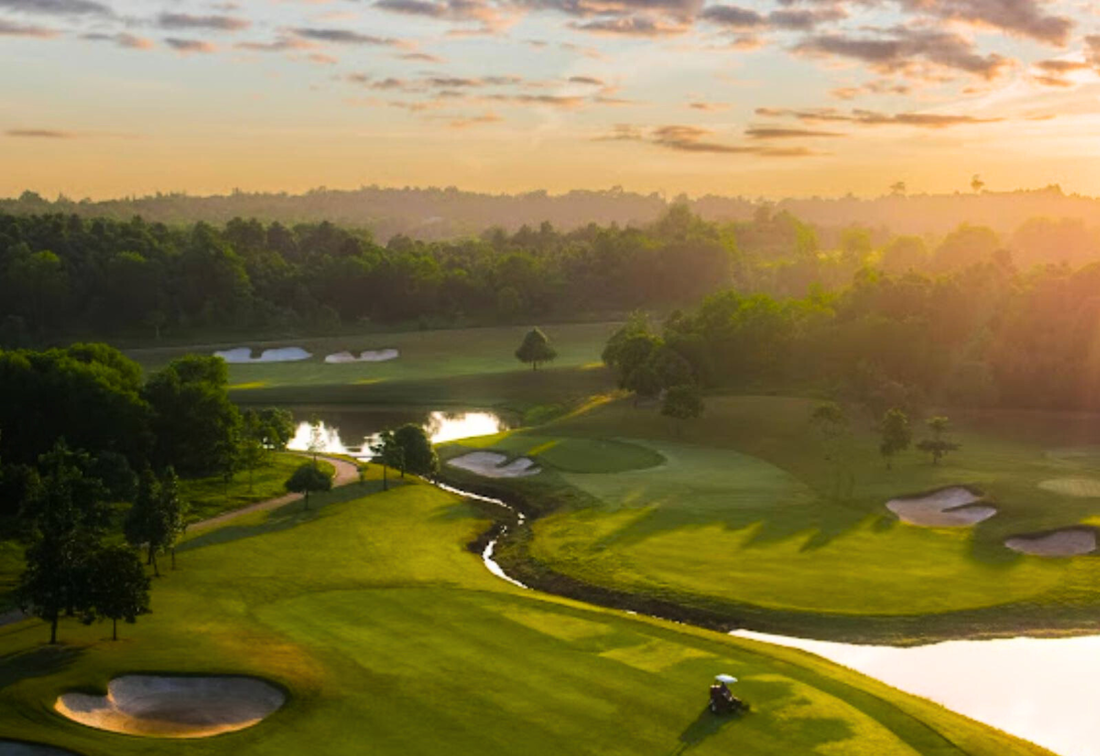
The Faldo Series Asia – Malaysia Edition 2024/2025!Experience the challenge of a 54-hole stroke play format across four competitive categories!
|
|
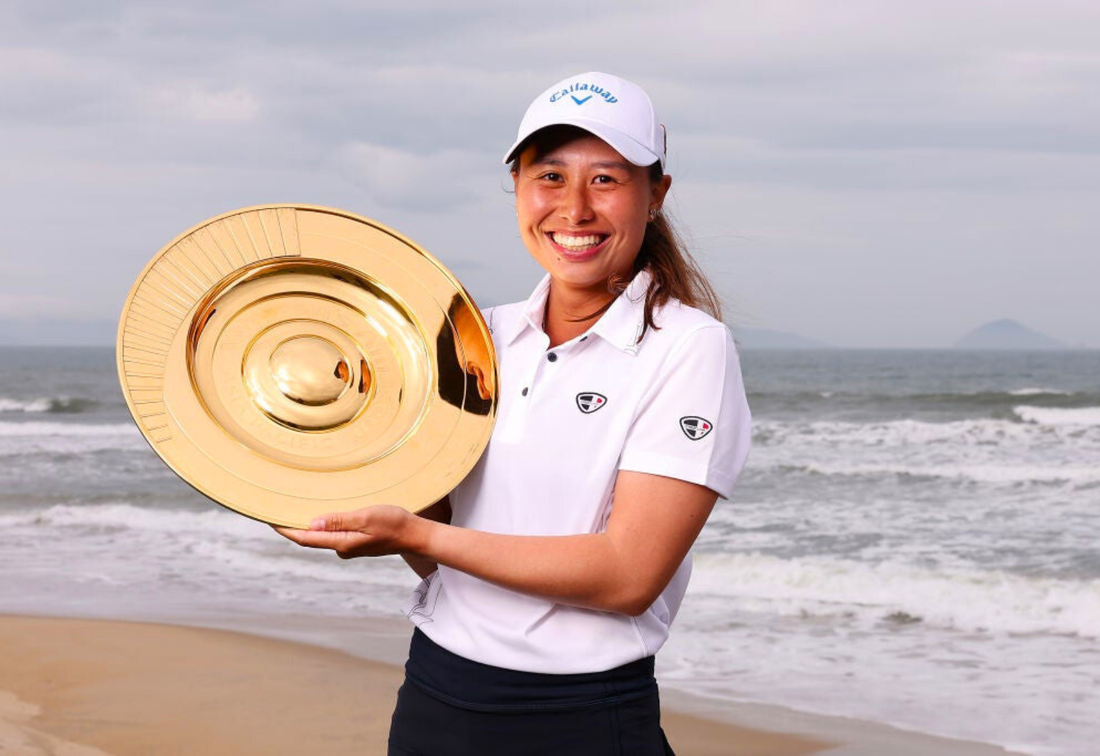
Jeneath Wong shines at WAAP, breaks into World Amateur Golf Top-100Melbourne-based Malaysian golfer's victory boosts her ranking and opens doors to major tournaments
|

|
Tee off with confidence: A beginner's guide to starting golfEssential equipment, costs, and tips to kick off your exciting golfing adventure!
|

|
Swinging for health: Discover the benefits of golf for body and mindHow golf can enhance your well-being and connect you with others
|

|
David Max Poole wins stage 3 of PETRONAS Le Tour de Langkawi 2024Team DSM-Firmenich rider dominates Cameron Highlands climb, claims green and polka dot jerseys
|
|
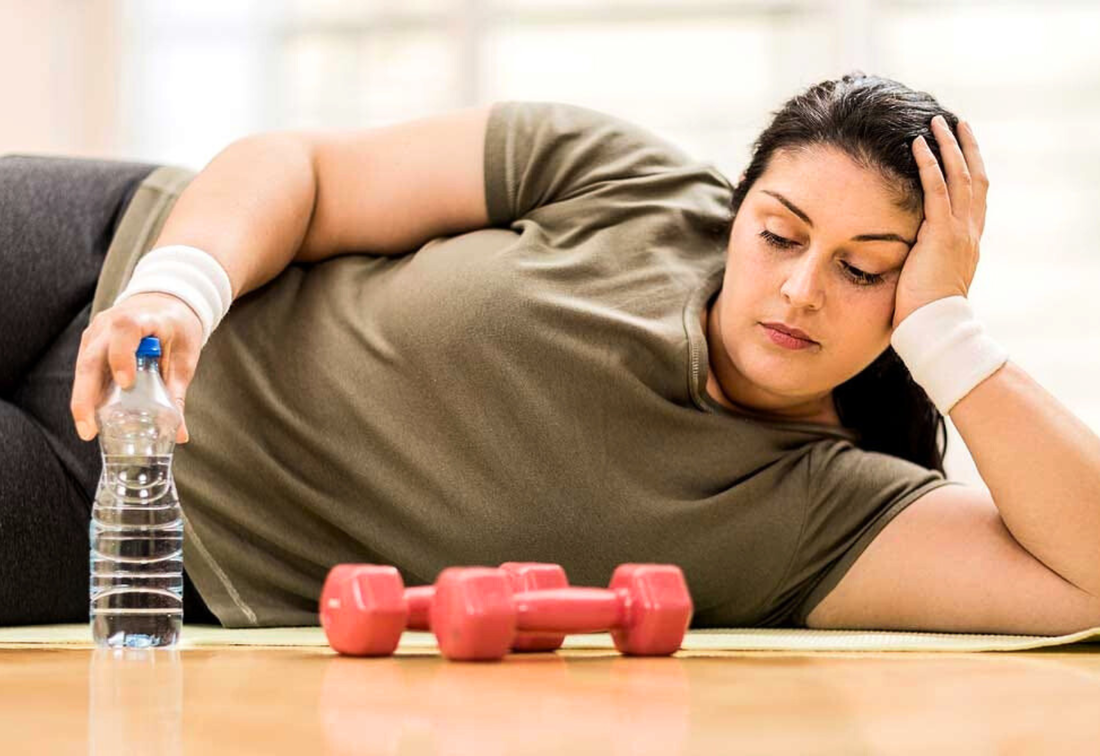
10 effective ways to find motivation for diet and exerciseFrom personal struggles to small, actionable steps, discover how to regain control over your health
|
|
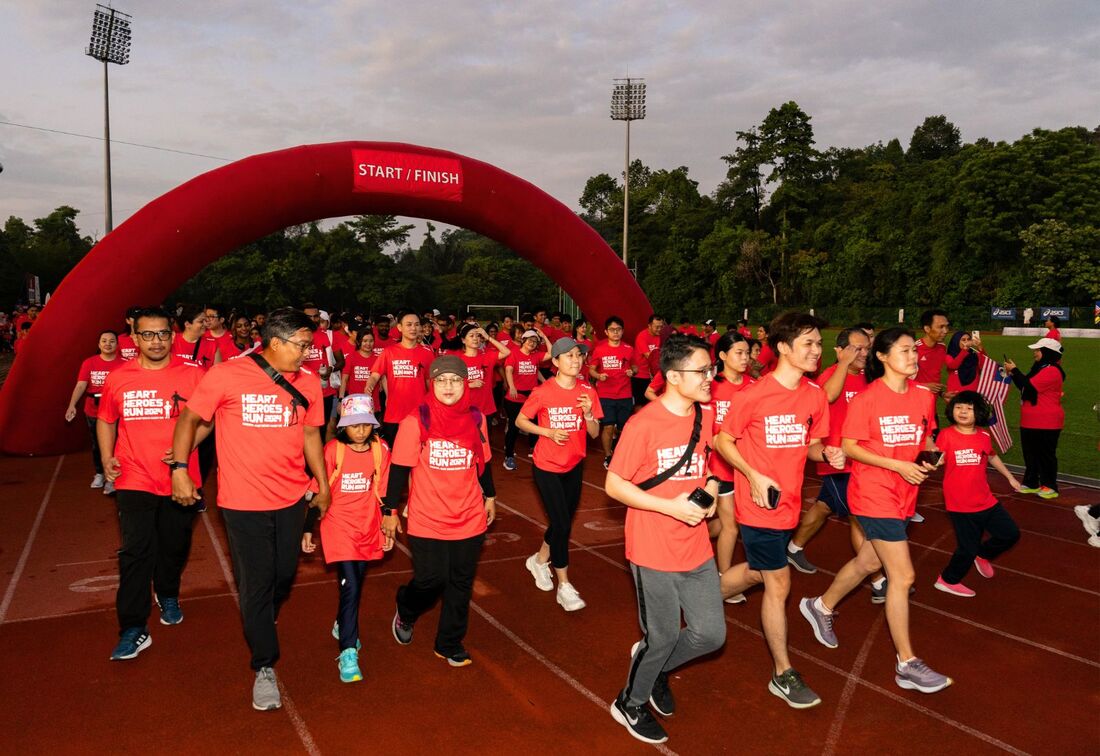
Heart Heroes Charity Run raises RM40,000 for congenital heart diseaseEnhancing pediatric cardiology and aiding low-income families
|

|
Championing resilience: microLEAP sponsors Fugee School teams for Faisal Cup 2024Join the team on July 13 at National Stadium Bukit Jalil
|

|
1500 run in support of those impacted by spinal muscular atrophyCreating awareness on the challenges by those facing this rare disease
|

|
Exercising in harmony with your menstrual cycle: A guide for womenCreate an exercise routine that aligns with your natural fluctuations.
|
|
From family roots to football fields: Mahali Jasuli's journeyFrom aspiring player to rising star
|

|
Combatting flabbiness at 40: Strategies to address yo-yo dieting and achieve a toned bodyTips on building muscle mass, cardiovascular health and lifestyle changes
|

|
Plastic vs. metal kettlebells: Exploring the ideal choice for beginnersCompare materials, weight ranges, cost, and safety for an informed decision.
|

|
Powerbuilding: The middle ground between powerlifting and bodybuildingFueling powerbuilding with a balanced diet for muscle growth and strength development
|
|
I finally took the plunge! I cycled to work for the past weeks...30kms per dayA journey of self-discovery and professional growth
|

|
Maximizing muscle growth: Tailoring fitness strategies to your body type
Understanding your body type is essential for achieving your fitness goals.
|

|
Deep breathing exercises to boost focus and energyMastering abdominal breathing: The key to deeper oxygenation and relaxation
|

|
Nana Al Haleq's journey into weightliftingUnleashing strength: From childhood athlete to fitness icon
|
|
Stretch and strengthen muscles with gyratonic and gyrokinesis movements
Discover total body wellness at Beyond Movement
|
|
Dato Ir Wong Wai Ching speaks on teeing off and RMAF golf courseFinding relaxation on the greens
|
|
Sazali Samad still going strong at 51Defying age with discipline and nutrition
|
|
ALTY Orthopedic Hospital empowers National Blind Football Team
Comprehensive support for visually impaired athletes
|