Disruptive MRI technology and AI integration: Unleashing their potential in healthcareJune 10, 2024

Radiology, a field already marked by its high volumes of examinations and low reimbursement rates, faces mounting pressures as the demand for diagnostic imaging skyrockets. Annually, there are 35 million chest procedures, with 87% being X-rays, 12% CT scans, and 1% nuclear, MRI, and ultrasound exams. Despite the increasing workload, reimbursement rates remain modest: CT scans garner $54-$86, with more than 65% of the payment going to physicians, while X-rays are reimbursed at $7-$25, with over 95% directed to physician payment.
The strain on radiologists is palpable. As the number of CT and MRI exams surges, the number of qualified experts does not keep pace, leading to overwhelming workloads. Radiologists often handle 100 studies per day, with workdays extending beyond 12 hours. This intense pace increases the average interpretation error rate by 16.6%, a significant concern for patient care. AI integration in medical imaging The integration of artificial intelligence (AI) into medical imaging presents a promising solution to manage high volumes and low reimbursement challenges. AI can efficiently process vast amounts of data, enhancing productivity and reducing the reliance on expert labor, thereby lowering costs. By incorporating AI, the entire MRI imaging pathway—from patient scheduling and data acquisition to image processing and interpretation—can be significantly improved. A typical radiologist handles about 100 studies a day, examining between 25,000 to 50,000 images in an 8 to 10-hour shift. This exhaustive workload underscores the urgent need for AI integration. Globally, the demand for radiology services continues to rise, yet the supply of radiologists does not match this growth. This disparity creates a substantial problem for both private and public healthcare sectors, resulting in extended waiting lists for patients. Kiran Easwaran (pix), Head of Magnetom Resonance Imaging at Siemens Healthineers Southeast Asia, highlighted this issue during his presentation at the Association of Private Hospitals, Malaysia (APHM)’s 30th International Healthcare Conference and Exhibition. He emphasized the growing gap between the increasing number of procedures and the availability of radiologists. “Do we train more radiologists? Yes, but radiology involves substantial training over many years,” Easwaran noted. Radiologists, being human, are prone to errors, especially when forced to interpret between 25,000 and 50,000 images daily, often spending only three to four seconds per image. AI offers a robust solution by enhancing the efficiency and accuracy of medical imaging. Streamlining MRI operations, enhancing patient outcomes with AI AI in radiology goes beyond merely aiding in the interpretation of images. It adds value along the entire MR imaging path, from scheduling patients and acquiring data to processing and interpreting images. This comprehensive integration of AI in MRI can significantly streamline operations and improve patient outcomes. AI-driven guidance and workflow enhancements can accelerate patient setup and ensure more reproducible results. By employing intelligent machine learning algorithms, AI can position patients accurately based on factors such as height, weight, and breathing patterns. This automation enables the scan to start almost immediately, without the need for manual measurements or external expertise. Complex tasks, such as scanning young children who cannot remain still or elderly patients who struggle to hold their breath, are simplified with AI technology. AI-powered auto-align technology can detect lesions of any size, regardless of their location, which is particularly beneficial for cancer detection. This technology ensures consistent scans, reducing the need for costly pre-scans. Moreover, AI can accurately count spinal discs, even in patients with conditions like scoliosis, saving significant time for radiologists. Optimizing patient examination slots In terms of patient preparation, AI allows for precise examination scheduling, ensuring thorough scans of any body part, from the brain and spine to the abdomen and cardiac regions. This precision is crucial for private facilities aiming to optimize patient examination slots. The acquisition and examination phase, where images are captured, benefits significantly from AI. Modern MRI machines, now more compact and user-friendly, resemble X-ray or CT scan devices. This accessibility has made MRI technology more prevalent in low- and middle-income countries where access to advanced medical equipment is limited. AI also plays a critical role in the processing and interpretation phase. Radiologists, equipped with clinical expertise, must generate reports for referring physicians. AI assists in this process by pre-populating reports with relevant data, allowing radiologists to review and amend them as necessary. This approach does not replace the radiologist but enhances their efficiency, enabling them to focus on more complex tasks. Digital twin: The future of AI in personalized healthcare The concept of a digital twin—a personalized, lifelong physiological model updated with each scan and examination—represents the future of AI in healthcare. By integrating imaging data, lab results, genomics, and behavioral and social determinants, AI can predict outcomes and support therapy decisions for chronic disease management. This holistic model can cover a range of conditions, from prostate cancer to various chronic diseases, offering precise treatment recommendations based on comprehensive data analysis. AI's role in value-based care is undeniable. It improves patient experience by prioritizing complex and acute cases and avoiding unnecessary interventions. AI enhances diagnostic precision through quantitative imaging and personalization, leading to better health outcomes. Additionally, AI drives efficiency and productivity by automating tasks and standardizing processes, ultimately lowering the cost of care. Looking ahead, AI's potential extends far beyond current applications. The digital twin concept, for instance, can revolutionize patient care by providing individualized models that predict health outcomes and guide treatment decisions. By incorporating a wide range of data, including lab results and social determinants, AI can offer a comprehensive view of a patient's health, facilitating proactive and personalized care. In summary, artificial intelligence is transforming the field of radiology by improving efficiency, reducing errors, and enhancing patient experience. AI-driven technologies streamline the MRI imaging process, from patient scheduling to image interpretation, making radiology more accessible and effective. As AI continues to evolve, its integration into healthcare promises to deliver even greater benefits, from personalized care models to advanced disease management strategies. AI will not replace radiologists but will empower them to provide better care by augmenting their capabilities with advanced technology. The future of healthcare lies in the seamless integration of AI, enabling healthcare professionals to deliver higher quality, more efficient, and more personalized care to patients worldwide. |
EXPLORE FURTHER

|
Malaysia poised for digital healthcare revolution, says former Health director generalTan Sri Dr Noor Hisham Abdullah urges sector to adapt or risk obsolescence
|

|
Building sustainable healthcare infrastructure: Challenges and opportunitiesPotential pathways for progress
|
|
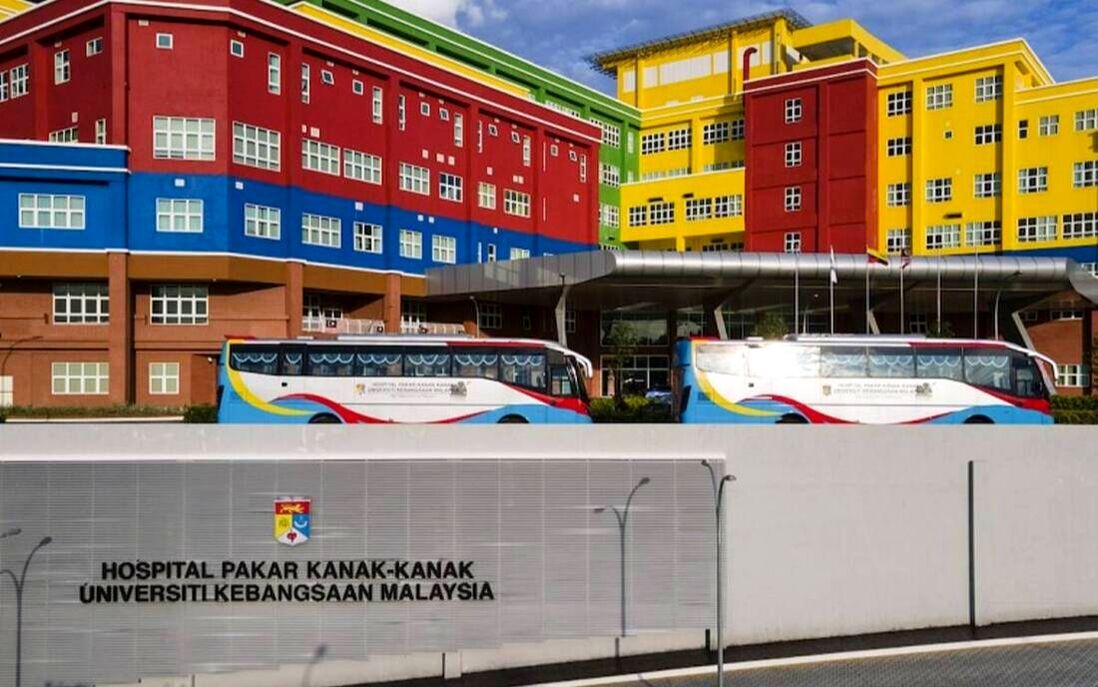
Revolutionizing healthcare: Inside Hospital Pakar Kanak-Kanak (HPKK), a smart medical facilityWhere technology and compassion converge
|

|
Machine learning and AI: A path to revolutionizing the medical landscapeNavigating the complexities of modern healthcare
|

|
Malaysia as a medical device hub: An overview of regulatory framework and industry growthPotential for robotic surgical systems investment
|
|
Emerging technologies in diagnostic accuracy to revolutionize healthcare imagingGroundbreaking advancements for patient care
|
|
Revolutionizing healthcare: Integrating IoMT for enhanced patient careEmbracing ethical principles, tackling integration challenges, and empowering medical professionals
|
|
Transforming healthcare: The integration of AI and robotics in life-or-death decisionsPrecision, efficiency, and patient-centricity in the technological revolution
|
|
Shaping the future of Asian healthcare: Insights from Malaysian health policiesPolicies across diverse industries
|

|
Artificial intelligence in IoMT: Potential for early disease detection, classification, and predictionEthical considerations for inclusivity and transparency
|