Hyperbaric Oxygen Therapy (HBOT): A breakthrough in anti-aging treatmentOctober 1, 2024
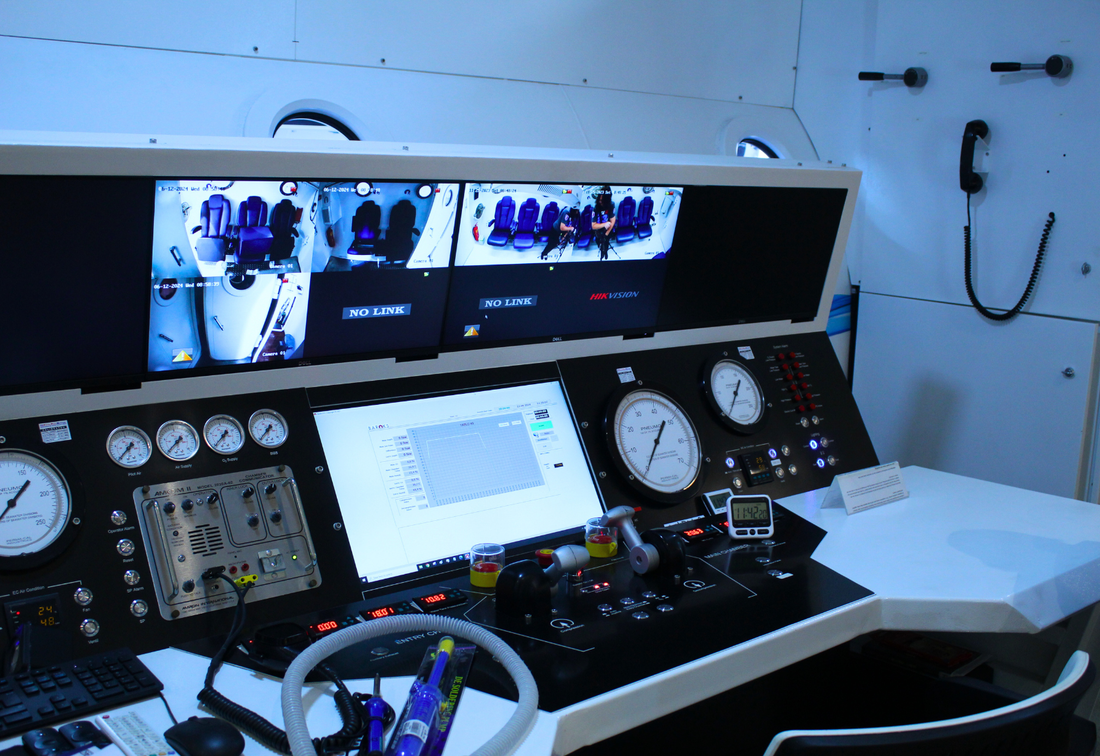
Breathing pure oxygen under pressure in a room or chamber is called hyperbaric oxygen therapy (HBOT). This treatment has been around for many years and has been used to treat a variety of conditions, including, but not limited to, decompression sickness, carbon monoxide poisoning, and skin ulcers. Recent studies suggest that it may also help reduce the signs of aging, making this therapy highly relevant in the fields of regenerative medicine and anti-aging treatments.
How HBOT works The essence of HBOT is that the patient is placed in an enclosed chamber where they breathe 100% pure oxygen while the pressure is increased above normal atmospheric levels. Unlike normal atmospheric conditions, the chamber uses higher barometric pressures. HBOT raises the oxygen levels (oxygen tension) within the body, which can promote tissue repair and stimulate regeneration processes. Benefits of HBOT in slowing down aging Telomere lengthening: Telomeres are protective caps at the ends of chromosomes that shorten as cells divide and age. Cellular aging and age-related disorders are often associated with shorter telomeres. It has been demonstrated that telomerase activity, which helps maintain and lengthen telomeres, can be enhanced through the noninvasive application of HBOT, leading to increases in telomere length. Elimination of senescent cells: Senescent cells are aged cells that have lost the ability to divide and can cause harmful effects, such as increasing inflammation and damaging tissues. It has been observed that HBOT is effective in reducing the number of these cells, thereby decreasing inflammation and promoting healthier tissue regeneration. Facilitated collagen production: Collagen is one of the most important proteins in the body, essential for the elasticity and strength of tissues, including the skin. HBOT stimulates collagen production, which improves skin quality and reduces wrinkles. Enhanced cognitive functions: Aging is often associated with a decline in cognitive abilities. Evidence has shown that HBOT can enhance cognition by improving blood flow (perfusion) to the brain and increasing oxygen supply, allowing individuals to age without significant loss of cognitive function. Vascularization and angiogenesis: HBOT promotes the growth of new blood vessels (angiogenesis) and enhances blood supply (vascularization). These effects improve tissue healing and restoration, contributing to healthier aging and overall well-being. Supporting research Research led by Dr Shai Efrati shows that HBOT increases telomere length and decreases the number of senescent cells in healthy middle-aged adults. This study provides remarkable evidence regarding the anti-aging benefits of HBOT. Research published in Frontiers in Aging highlights the importance of HBOT in tissue recovery and cognitive function, suggesting that HBOT may be further developed for use in anti-aging therapies. In conclusion, Hyperbaric Oxygen Therapy appears to offer potential age-reversal effects across various biological factors, including, but not limited to, telomere length, the number of senescent cells, collagen synthesis, cognitive performance, and vascular development. Although further studies are required to conclusively determine the mechanisms and long-term impacts, the available information suggests a promising role for hyperbaric oxygen therapy in regenerative and age-reversing medicine. What are telomeres? Telomeres are DNA sequences that cap the ends of chromosomes with repetitive, pseudo-chromosomal sequences. They are located at the end of each chromosome and prevent the chromosomes from fraying or joining with nearby chromosomes. One may imagine a telomere as the little plastic tip on the end of a shoelace that prevents it from unraveling. How do telomeres affect aging? Cell cycle, aging process, and telomeres: Every time a cell divides, the telomeres shorten. As time goes on and cells continue to divide, the telomeres keep shrinking. When a telomere reaches a critically short length, the cell becomes senescent, meaning it can no longer divide through replicative senescence (resting) or it may die via programmed cell death (apoptosis). Cellular senescence: Senescent cells are cells that have lost the ability to undergo further division but are not yet considered dead. As individuals age, these cells accumulate within the tissues, contributing to aging and illness. Additionally, these cells may produce inflammatory factors that adversely affect neighboring healthy cells. Impact on tissue function: In tissues with high turnover, such as hematopoietic or epidermal tissues, telomere shortening is associated with the failure of stem cells to replenish these tissues. This loss of stem cell potential leads to diminished tissue function and repair, contributing to the external manifestations of aging and the emergence of age-related diseases. Telomeres and aging-related diseases Cardiovascular diseases: Shortened telomere length has significant implications for epidemiology, as it is associated with coronary heart disease and stroke. Neurodegenerative diseases: Evidence indicates that telomere shortening is related to neurodegeneration, particularly in Alzheimer's disease and Parkinson's disease. Cancer: Conversely, unregulated cellular division can introduce catastrophic changes within the genomes, specifically at the chromosomal ends, in tissue culture, leading to the initiation of cancerous processes in the tissue. Telomere lengthening and anti-aging Some studies have demonstrated that, with the right interventions—including lifestyle adjustments, stress management, and HBOT—it is possible to preserve or even increase telomere length. This makes telomeres an attractive target for designing anti-aging treatments. Tampering with telomeres can lead to various aberrations in cell function, as they are essential for maintaining the structural and functional integrity of chromosomes. One reason the biological clock is said to be linked to aging is the continued shortening of telomeres with each cell division in a culture. Learning to stop or even reverse telomere shortening may be an innovative technique for enhancing health in older individuals. |

EXPLORE FURTHER

|
Join the elite cadaver dissection hands-on masterclass and gain unparalleled expertise in facial aestheticsElevate your clinical practice—register now for AMSC 2024!
|

|
The role of traditional Chinese medicine in emotional healthExploring the connection between emotional well-being and organ functions
|

|
Comprehensive stroke management through acupuncture: An integrative approachUnlocking stroke recovery: Acupuncture's integrative power
|

|
Integrative medicine and medical device regulation: Ensuring safety through licensingAdvancing healthcare through robust regulation and innovation
|

|
Discover the future of medical aesthetics and dermatosurgery in AMSC Malaysia, September 2024Join the leaders in aesthetic medicine, dermatology and surgery at Kuala Lumpur's premier event
|

|
Exploring the regulatory landscape of health supplements and natural products in MalaysiaA detailed look at trends and compliance
|

|
Navigating pro-inflammatory and anti-inflammatory food choices for optimal healthUnderstanding how the right food can heal or harm
|

|
Slovenian beekeeping: A legacy of healing through nature's pharmacyChestnut honey for wound healing and antimicrobial defense
|

|
Stem cell therapy in aging and degenerative diseases: A closer look at regenerative medicineIs slowing down cell death the key to aging, or are we playing god?
|

|
Vitamin D and homeopathic treatment show promise in vitiligo managementCase study highlights role of vitamin D in reversing vitiligo
|

|
Taiji: The ancient practice revolutionizing modern health and cognitive functionIs Taiji the key to unlocking mental and physical well-being in the 21st century?
|

|
Understanding thyroid health: Are you aware of the hormones that affect your well-being?How thyroid function influences health and emotions in women and men
|

|
Traditional Indian martial arts: A force for health and well-beingThe influence, historical significance, and scientific benefits in the modern era
|

|
Can Ayurveda offer a solution to gastrointestinal issues in autism?The connection between dysbiosis and gastrointestinal issues in autism
|

|
The potential and pitfalls of natural products in modern medicineTranslating traditional remedies into scientifically proven treatments.
|

|
The secrets behind the growing popularity and challenges of aesthetic medicineNavigating the risks, complications, financial success and exit
|

|
The healing potential of homeopathy in cancer treatmentExploring complementary and alternative approaches to cancer care
|

|
Stress in autoimmune disorders and the homeopathic approach to treatmentObsessive-compulsive tendencies and procrastination: Key traits linked to autoimmune disorders
|
|
The renaissance of psychedelics: From ancient rituals to modern medicineUnderstanding the historical context and future potential
|

|
The intricate world of terpenes: Nature's multifaceted marvelsExploring the roles, uses, and medical potential of terpenes
|

|
Understanding the link between autism and hypoxiaHow oxygen levels during pregnancy may impact autism risk
|

|
Human or animal stem cells?The pros and cons of autologous, allogenic, and xenogenic stem cell transplants
|

|
The critical role of stem cells in longevity medicineExploring the intersection of healthspan and longevity
|

|
Unlocking the power of hyperbaric oxygen therapyDiscover the therapeutic benefits and future potential of HBOT for healing, cognitive function, and overall well-being
|

|
Beginner's guide: Four key facts on traditional Chinese medicineIs this age-old traditional treatment still relevant today?
|

|
Exploring the realm of medical cannabis in Malaysia: Navigating legislation, evidence, and potentialWhat sets apart industrial hemp from medical cannabis?
|