Stem cells: The building blocks of growth, repair, and agingSeptember 4, 2024

By:
The growth and aging of the human body is a dynamic interplay of growth, damage, and repair. During the early years, development is rapid, there is not much damage, and repair is every efficient despite the low demand for it.
As we reach adulthood, development slows down, there is more exposure to factors that cause tissue damage, and repair just keeps up. Eventually, growth and development stop. There is more damage not only due to external factors but internally due to aging as well. Repair also becomes less and less efficient. Throughout the entire process, stem cells play a crucial role. Stem cells are the foundation of the body’s growth, repair, and renewal. They are the cells used in developing tissues and organs, in replacing damaged cells, and in renewing diseased and aging cells. Main features of stem cells Stem cells are characterized by two main features. The first is self-renewal. They can multiply themselves indefinitely. The second is differentiation. They can turn into any kind of cell type in the body. They can develop into brain cells, muscles cells, liver cells, skin cells, and all other cells. Two main types of stem cells Stem cells may be embryonic or adult. Embryonic stem cells (ESC) come from embryos which are 3-5 days old. Although they are temporary and exist only before tissues begin to form, they are pluripotent. This means they can turn into any kind of cell in the body. ESC offers the advantage of being easily grown and multiplied in the laboratory for medical and research applications. However, because of its pluripotency, it has a high risk for developing teratomas and teratocarcinomas. There are also ethical issues on harvesting stem cells from embryos. Mesenchymal stem cells (MSC), also called adult, or somatic stem cells, are found in adult tissues or organs. Like the ECS, they can differentiate into different cells. However, while ESC can develop into any type of cell (pluripotent), most MSCs can specialize only to be the cell type they are most associated with (multipotent). They are also called tissue-specific because they reside in adult tissues and are the stem cells used for the growth and repair of those specific tissues. For example, there are neural stem cells in the brain that are used to repair cell damage in the brain. There are also stem cells in the bone marrow which can turn into new blood cells. They can also migrate to other organs and be used there. MSCs have a higher chance of developing into the cell type of the target organ. There is negligible risk for tumors and there are no ethical concerns. There are disadvantages though. Obtaining MSC is invasive and there is a lower rate of self-renewal compared to ESC. 
Given these, my choice would be mesenchymal stem cells over embryonic stem cells.
Sources of Stem cells Stem cells may be obtained from the person himself (autologous/autogenic), from a human donor (allogenic), or from a non-human source (xenogenic). Autogenic cell therapy uses a person’s own stem cells. It is commonly extracted from adipose tissues (fats) but bone marrow and blood are also being used. It has a high safety profile and very low risk of infection transfer provided sterile techniques are observed. There are also no ethical concerns. However, collection of cells is invasive and particularly painful in bone marrow extraction even with anesthesia. The source is limited especially in lean individuals. Autogenic therapy cannot be used if the patient has conditions with genetic component because he will be given stem cells with the same genetic issues. More importantly, autogenic therapy is limited by the person’s circumstances. Studies have shown that as we age, so do our stem cells. By age 40, both stem cell production and quality decrease. They gradually lose the ability to multiply and maintain the integrity of their genetic material. The accumulation of these mutations have been associated with increased risk for cancer. Using autogenic procedure in this case would be like repairing an old car with old spare parts. In allogenic cell therapy, stem cells are obtained from a suitable donor. There is no invasive collection from the patient. It has a good safety profile. The source is practically unlimited with multiple donors (for MSC). It can also be used by patients with genetics-related diseases. However, there is a slight risk for infection transfer if aseptic techniques are not properly observed. There are also ethical concerns and risk for tumors if ESC will be used. In xenogenic cell therapy, stem cells are harvested from animals so like in allogenic, there is no invasive collection from the patient. It also has practically unlimited sources and can be used by patients with genetics-related diseases. Not a lot of people prefer this though because of misconceptions. Some are also hindered by religious and cultural restrictions with the use of animal products. There is also a significant risk of infection transfer and complications. A survey of studies submitted in clinicaltrials.gov and Pubmed from 1973-2021 showed that more than half of them are on allogenic therapy, followed closely by autogenic, and with xenogenic comprising less than 2% of all studies. 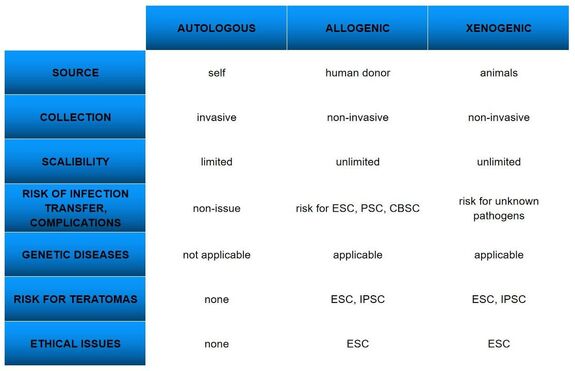
With these information, my preference would be allogenic.
Stem cells for allogenic therapy Different types of stem cells may be used for allogenic therapy. ESC may be used, with all the pros and cons mentioned above. Stem cells from umbilical cord blood and placenta may also be used. However, screening the fetus can prove challenging. MSC is the most commonly used. These are found in the brain, tooth pulp, cornea and retina, heart cells, intestinal cells, and liver cells but we don’t use those because they’re essential in the repair of the organs where they are. Stem cells from adipose tissues can be made available but although the yield is high, their ability to replicate is low. MSC from bone marrow can be easily replenished and their activity is high. It is also currently the most studied in terms of safety and effectivity. 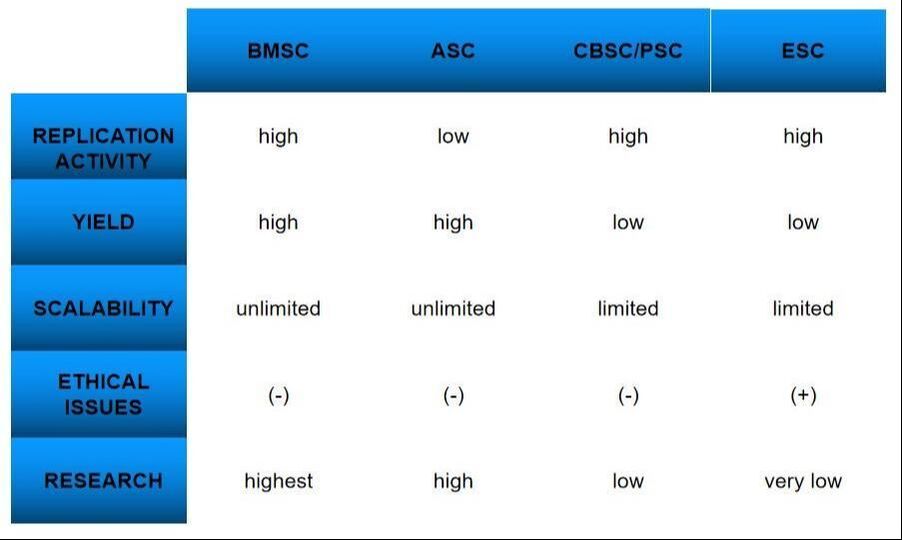
Application of MSCs for anti-aging beauty, plastic surgery and orthopedics
The best stem cell therapy for the patient will vary depending on the patient’s preferences and the doctor’s appreciation of currently available evidence in the field. In my practice, I never impose. I merely provide information and let the patient decide. But most of the time, the choice is allogenic mesenchymal bone marrow stem cells or allogenic mesenchymal umbilical cord stem cells. For questions and inquiries, you may send correspondence to: drkheng61@gmail.com or admin@jaspenmd.com |

|

EXPLORE FURTHER

|
Join the elite cadaver dissection hands-on masterclass and gain unparalleled expertise in facial aestheticsElevate your clinical practice—register now for AMSC 2024!
|

|
The role of traditional Chinese medicine in emotional healthExploring the connection between emotional well-being and organ functions
|

|
Comprehensive stroke management through acupuncture: An integrative approachUnlocking stroke recovery: Acupuncture's integrative power
|

|
Integrative medicine and medical device regulation: Ensuring safety through licensingAdvancing healthcare through robust regulation and innovation
|

|
Discover the future of medical aesthetics and dermatosurgery in AMSC Malaysia, September 2024Join the leaders in aesthetic medicine, dermatology and surgery at Kuala Lumpur's premier event
|

|
Exploring the regulatory landscape of health supplements and natural products in MalaysiaA detailed look at trends and compliance
|

|
Navigating pro-inflammatory and anti-inflammatory food choices for optimal healthUnderstanding how the right food can heal or harm
|

|
Slovenian beekeeping: A legacy of healing through nature's pharmacyChestnut honey for wound healing and antimicrobial defense
|

|
Stem cell therapy in aging and degenerative diseases: A closer look at regenerative medicineIs slowing down cell death the key to aging, or are we playing god?
|

|
Vitamin D and homeopathic treatment show promise in vitiligo managementCase study highlights role of vitamin D in reversing vitiligo
|

|
Taiji: The ancient practice revolutionizing modern health and cognitive functionIs Taiji the key to unlocking mental and physical well-being in the 21st century?
|

|
Understanding thyroid health: Are you aware of the hormones that affect your well-being?How thyroid function influences health and emotions in women and men
|

|
Traditional Indian martial arts: A force for health and well-beingThe influence, historical significance, and scientific benefits in the modern era
|

|
Can Ayurveda offer a solution to gastrointestinal issues in autism?The connection between dysbiosis and gastrointestinal issues in autism
|

|
The potential and pitfalls of natural products in modern medicineTranslating traditional remedies into scientifically proven treatments.
|

|
The secrets behind the growing popularity and challenges of aesthetic medicineNavigating the risks, complications, financial success and exit
|

|
The healing potential of homeopathy in cancer treatmentExploring complementary and alternative approaches to cancer care
|

|
Stress in autoimmune disorders and the homeopathic approach to treatmentObsessive-compulsive tendencies and procrastination: Key traits linked to autoimmune disorders
|

|
The renaissance of psychedelics: From ancient rituals to modern medicineUnderstanding the historical context and future potential
|

|
The intricate world of terpenes: Nature's multifaceted marvelsExploring the roles, uses, and medical potential of terpenes
|

|
Understanding the link between autism and hypoxiaHow oxygen levels during pregnancy may impact autism risk
|

|
Human or animal stem cells?The pros and cons of autologous, allogenic, and xenogenic stem cell transplants
|

|
The critical role of stem cells in longevity medicineExploring the intersection of healthspan and longevity
|

|
Unlocking the power of hyperbaric oxygen therapyDiscover the therapeutic benefits and future potential of HBOT for healing, cognitive function, and overall well-being
|

|
Beginner's guide: Four key facts on traditional Chinese medicineIs this age-old traditional treatment still relevant today?
|

|
Exploring the realm of medical cannabis in Malaysia: Navigating legislation, evidence, and potentialWhat sets apart industrial hemp from medical cannabis?
|