When should I worry about voice changes?
July 1, 2026

Persistent dysphonia lasting beyond four weeks warrants specialist evaluation, particularly in smokers, heavy alcohol users and patients with previous head and neck cancers.
Persistent hoarseness is often dismissed as a minor inconvenience, but ongoing voice changes may indicate underlying laryngeal disease.
According to Dr Rahmat Omar (pixture below), Consultant Ear, Nose & Throat, Head & Neck Surgeon and Laryngologist at the Modern Diagnostics and Advanced Therapeutics in ENT Care symposium by Sunway Medical Center, Sunway City, persistent dysphonia lasting longer than three to four weeks should never be ignored, particularly in individuals at higher risk of laryngeal cancer, including chronic smokers, heavy alcohol consumers and patients with a history of head and neck malignancies. 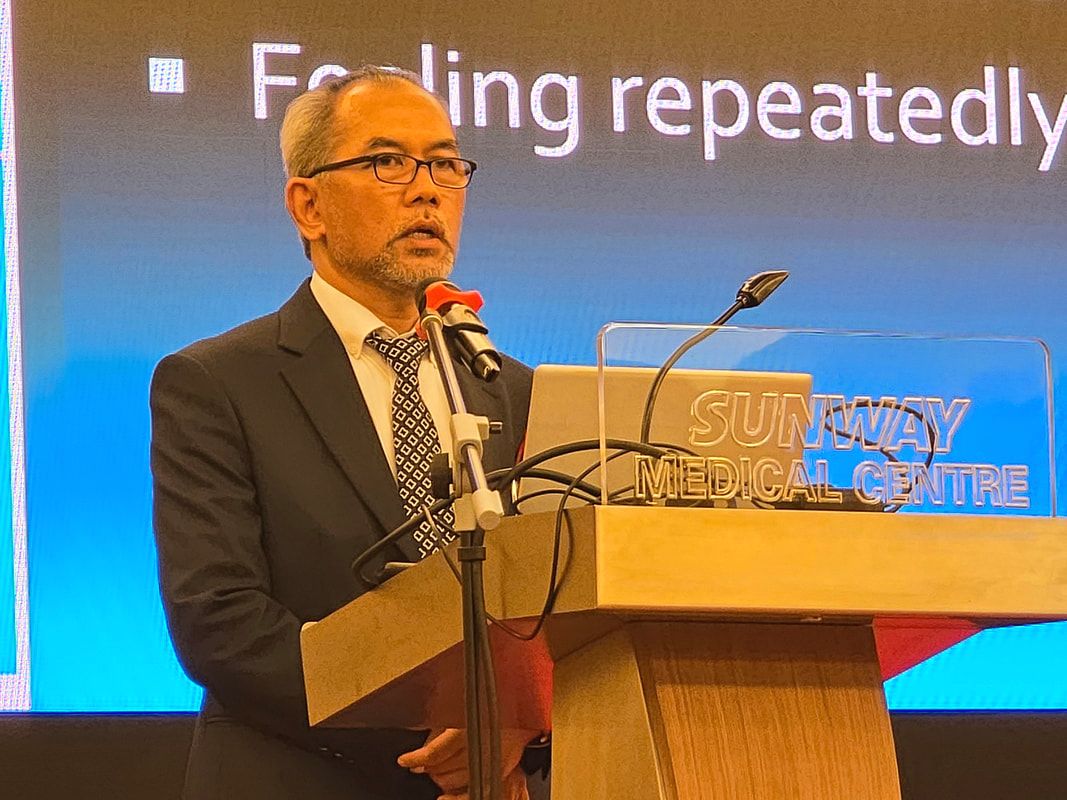
Recognizing an unhealthy voice
Common signs of an unhealthy voice include persistent hoarseness or raspiness, breathy speech, loss of high vocal range, a noticeably deeper voice, throat discomfort, vocal fatigue, difficulty speaking and the frequent urge to clear the throat. "Whenever voice changes persist beyond three to four weeks, patients should undergo evaluation to determine whether there are structural abnormalities affecting the larynx," said Dr Rahmat. Wide range of underlying causes Voice disorders may arise from numerous conditions. Common causes include upper respiratory tract infections, inflammation caused by gastroesophageal reflux disease (GERD), excessive or improper voice use, vocal fold nodules, laryngeal papillomatosis and cancerous lesions of the larynx. Neurological disorders, including spasmodic dysphonia and vocal fold paralysis, as well as functional dysphonia related to psychological stress or trauma, may also impair normal voice production. Medical history provides vital diagnostic clues A detailed clinical history remains one of the most important components of assessment. Physicians evaluate whether symptoms developed suddenly or gradually, possible triggering events and the patient's vocal habits. Children who frequently scream and adults who regularly raise their voices in noisy environments without amplification are more susceptible to vocal cord nodules and polyps. Doctors also assess day-to-day fluctuations in voice quality, pitch and vocal effort, together with any previous history of voice disorders. Associated symptoms guide diagnosis Several accompanying symptoms help identify the underlying cause. These include stridor, a high-pitched breathing sound caused by upper airway obstruction, dysphagia, globus sensation, chronic throat clearing and persistent cough. Chronic coughing itself may contribute to vocal cord trauma and granuloma formation. Patients with vocal cord paralysis may experience choking, particularly when drinking liquids rapidly. Ear pain originating from the larynx, known as referred otalgia, may also occur. Systemic symptoms such as fever, loss of appetite, weight loss and night sweats may point towards infection or malignancy, while neurological symptoms may indicate involvement of the recurrent laryngeal nerve or other neurological disorders. Respiratory and gastrointestinal symptoms are also evaluated, particularly when reflux disease is suspected. Previous surgery and lifestyle matter Past medical and surgical history frequently provides important diagnostic information. Previous thyroid, cervical spine, esophageal or thoracic surgery, prolonged intubation and mechanical ventilation may result in temporary or permanent laryngeal injury. Motor vehicle accidents may also cause arytenoid dislocation, vocal fold tears or endolaryngeal hematoma. Social history is equally important. Occupations involving heavy voice use, together with smoking and alcohol consumption, increase the risk of vocal fold lesions and laryngeal disease. Comprehensive examination Clinical examination includes assessment of the patient's general appearance, breathing pattern, voice quality and involuntary coughing. Dr Rahmat explained that some patients diagnosed with functional dysphonia may be unable to speak normally but can still produce a strong cough, indicating normal vocal cord movement despite impaired voice production. Specialists perform indirect laryngoscopy using a flexible or rigid endoscope to visualize the larynx. Examination also includes assessment of the neck for scars, enlarged lymph nodes and thyroid enlargement, together with evaluation of the nasal cavity, post-nasal space, respiratory system and neurological status. Imaging and advanced assessment Additional investigations are selected according to the suspected diagnosis. These may include neck ultrasound, chest radiography to identify mediastinal disease or cardiomegaly, computed tomography (CT), magnetic resonance imaging (MRI) and positron emission tomography (PET) scans. When necessary, examination under general anesthesia using direct microlaryngoscopy provides high-magnification, binocular visualization of the larynx while allowing surgeons to perform precise procedures with both hands. Angled telescopes inserted through suspended laryngoscopes provide near three-dimensional visualization of the larynx, enabling detailed assessment of the ventricles, anterior commissure, infraglottis and vocal fold lesions. Common laryngeal disorders Acute laryngitis Acute laryngitis commonly develops following viral upper respiratory tract infections, tobacco smoke exposure, environmental pollutants, laryngopharyngeal reflux or short-term vocal overuse such as prolonged shouting or singing. Inflammation causes swelling of the vocal cords with engorged blood vessels and mucus accumulation. Patients typically develop hoarseness, whispering voice, pain around the larynx and cough. Tuberculous laryngitis Tuberculosis affecting the larynx may present with prolonged cough, fever, night sweats, weight loss, hoarseness and sputum production. Examination may reveal irregular vocal cords, granulomas, nodular lesions and reduced mucosal wave movement on videostroboscopy. Dr Rahmat noted that tuberculous lesions may closely resemble other laryngeal diseases, making accurate diagnosis essential. Vocal cord paralysis Most intrinsic laryngeal muscles are supplied by the recurrent laryngeal nerves, while the cricothyroid muscle receives innervation from the superior laryngeal nerve. Because the left recurrent laryngeal nerve follows a longer anatomical course, it is more vulnerable to disease. Causes include thyroid, esophageal, cervical spine and thoracic surgery, viral neuritis, skull base lesions and cancers involving the thyroid, laryngopharynx, esophagus, bronchi or mediastinum. Management depends on symptom severity. Patients without aspiration and who remain satisfied with their voice may simply be observed, as partial recovery often occurs within six months. Temporary nerve injury may recover completely. For persistent symptoms, injection thyroplasty uses fat or synthetic materials to reposition the paralyzed vocal cord and reduce the glottic gap. Laryngeal framework surgery may also be performed by inserting a silastic or Gore-Tex implant through the thyroid cartilage to improve vocal function. Reinke's edema Reinke's edema involves fluid accumulation within the superficial layer of the vocal fold, most commonly after prolonged cigarette smoke exposure. The condition occurs more frequently in women and typically produces diffuse swelling of both vocal cords. Smoking cessation and speech therapy are often effective first-line treatments. Patients with persistent disease may require microsurgical removal of excess tissue and aspiration of edematous fluid. Early assessment improves outcomes Dr Rahmat emphasized that persistent voice changes should never be overlooked. Early recognition, careful clinical assessment and timely referral to an ENT specialist allow potentially serious conditions—including malignancy—to be identified and treated before permanent vocal damage develops. |
EXPLORE FURTHER

|
Could your child be missing sounds?Recognizing hearing loss early can prevent lifelong speech and developmental challenges
|

|
Could your ‘allergies’ actually be something else entirely?Key differences between allergic and non-allergic rhinitis
|

|
When the world starts spinning: Understanding vertigo and tinnitusCan dizziness and ringing ears be treated before they become serious?
|

|
Is my child's snoring normal, or could it signal something more serious?Understanding sleep-disordered breathing, warning signs, diagnosis and treatment options
|