5 Ways to tweak your health and diet for a healthier decade
October 8, 2021 @ 11.08am

30s may be the new 20s, but the age milestone is also a good reminder to start taking better care of your body.
The 30s may seem like a big decade but it is also a vital time for your body as a lot of the decisions you make during this time can have lasting effects on your future health. As you become more occupied balancing your life and work duties, you may start to notice the body tires easily, your muscle strength declines, or the body is no longer as flexible as when you were in your 20s.
While aging is inevitable, doing so healthily without compromising your strength and energy can be easier than you think. For example, making conscious decisions on what you eat and when you eat can have a remarkable impact on your life-long health, as good nutrition and health go together. In fact, food and key nutrients, like protein, are hugely responsible in fuelling every cell in the body, regulating hormone function, and supporting your muscle strength to keep you going strong throughout the day. Here, we recommend some of the most important health and diet changes to make after you turn 30: 1. Pile your plate with enough protein Protein is a part of every cell in your body and is responsible for building hormones, enzymes, blood and antibodies, as well as skin, bones and muscles. As you age, protein becomes even more important as it affects everything from mobility, balance, posture, and even strength and energy. Because of this, aim to consume at least 52g of protein daily from leaner animal sources such as chicken, seafood, or eggs, or combine incomplete proteins from sources like beans, vegetables, and whole grains at every meal. Spreading out protein intake across three meals a day can also help you increase muscle strength over time. 2. Make exercise a life habit Fitness, along with proper nutrition, is important for a healthy lifestyle. In your 30s, focus on exercising smarter and not harder. Incorporate resistance exercise which has been proven as an effective way to increase muscle mass and strength. Exercising also helps to promote stress relief and reduces the risk of chronic diseases like heart disease and diabetes. If physical exercises are not for you, start small with yoga and meditation to kick start a habit that you can grow. 3. Make sleep a priority Getting a good night’s sleep can be difficult, especially if you are a workaholic, have small children to manage or generally have had poor sleeping habits from your 20s. Take action to make sure you get enough sleep, at least 7-8 hours every night. According to studies, getting enough Zs helps to boost your mood, manage weight, and achieve a healthier heart status. 4. Consider taking oral nutritional supplements While you can get enough nutrients through food, it is tough to get the right amount and quality on daily basis. If you feel that you are unable to get the daily recommended intake of certain nutrients like vitamin D, Omega-3, calcium or protein, consult your healthcare provider to know if you should start on supplements or specialised nutrition. 5. Know your body and health The 30s is the perfect time to start scheduling regular health check-ups and screenings as lifestyle illnesses may start showing signs in your body. This is especially true if you have a family history of cancer, diabetes, or heart disease as researches have shown people with critical illness – especially those who spend extended time in the hospital – could experience significant muscle wasting that leads to skeletal and muscle weakness and reduced physical abilities. Pay attention to your body and regularly speak to your doctor as it can help to better define your health and prepare you for natural or age-related health issues. Women in their 30s are busier than ever with bustling professional and personal lives. Therefore, striking a balance between your busy lifestyle and prioritising yourself is even more critical as your health and well-being during this decade will largely determine your lifelong health in the decades to come. Starting small with changing how you eat can make significant impact over time and is the greatest way to conquer the changes that are constantly happening in your body. Take some time to think about your health today and get started for a better life tomorrow. |
EXPLORE FURTHER

|
20 Clever ways for busy moms to sneak in some 'me time' every dayPrioritize self-care, as taking care of oneself can actually make it easier to take care of others
|
|
Vaginismus: The debilitating fear of vaginal penetration leading to marital stress
Psychological support and vaginal dilatation
|

|
Surviving, living or striving as a woman: Overcoming poverty and hardshipUnleash your potential as a woman
|

|
Breaking societal norms: Women's ambition after marriage and childrenIs it wrong?
|

|
Perimenopause and menopause: Knowing what to expectHot flashes and disturbed sleep are common hallmarks
|

|
(Ask a Dr) I fart when I orgasm. Is there anything I can do to make it stop?Pre-lovemaking no-nos: Foods to avoid
|

|
Women's sexuality and pleasure: What are we so afraid of?From nervous twinges to empowered pleasure
|

|
Stretching and strengthening exercises for a frozen shoulderThe inflammatory phase to freezing stage
|

|
Giving birth can trigger autoimmune thyroid diseaseUnderstanding hypothyroidism: Causes and connections to iodine deficiency
|

|
Pelvic floor dysfunction: Effects on urination, bowel movements, and sexual intercourseA comprehensive guide
|

|
Pelvic organ prolapse explainedNumbness during sex a possible symptom
|

|
Understanding pelvic pain: Causes, symptoms, and treatmentExploring the complexities and effective management options
|

|
No period, yet not pregnant? Here is a possible reasonUnderstanding primary ovarian insufficiency (POI) and its impact on women's health
|
|
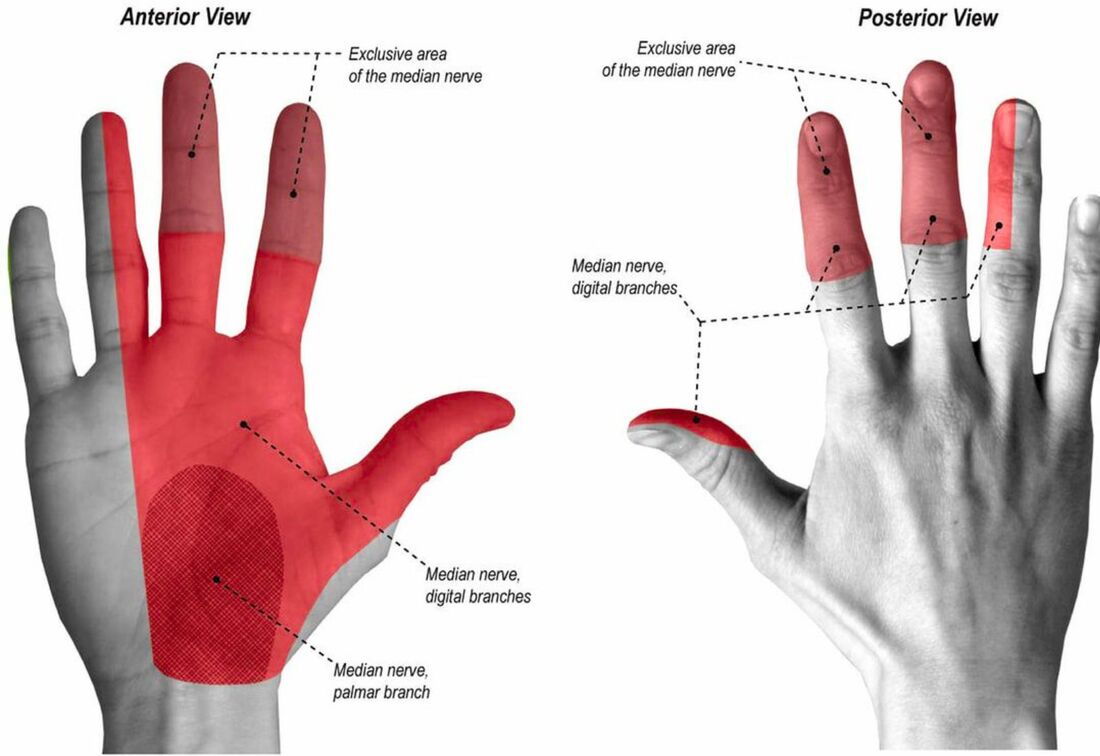
Carpal tunnel syndrome more common in women than menAssociation of diabetes, gout, and rheumatoid arthritis
|

|
Magnesium deficiency causes sweet craving and stress eatingFactors affecting magnesium intake
|

|
The difference between premature ovarian failure and premature menopauseThe connection between conception and infertility
|