Perimenopause and menopause: Knowing what to expectJune 10, 2023
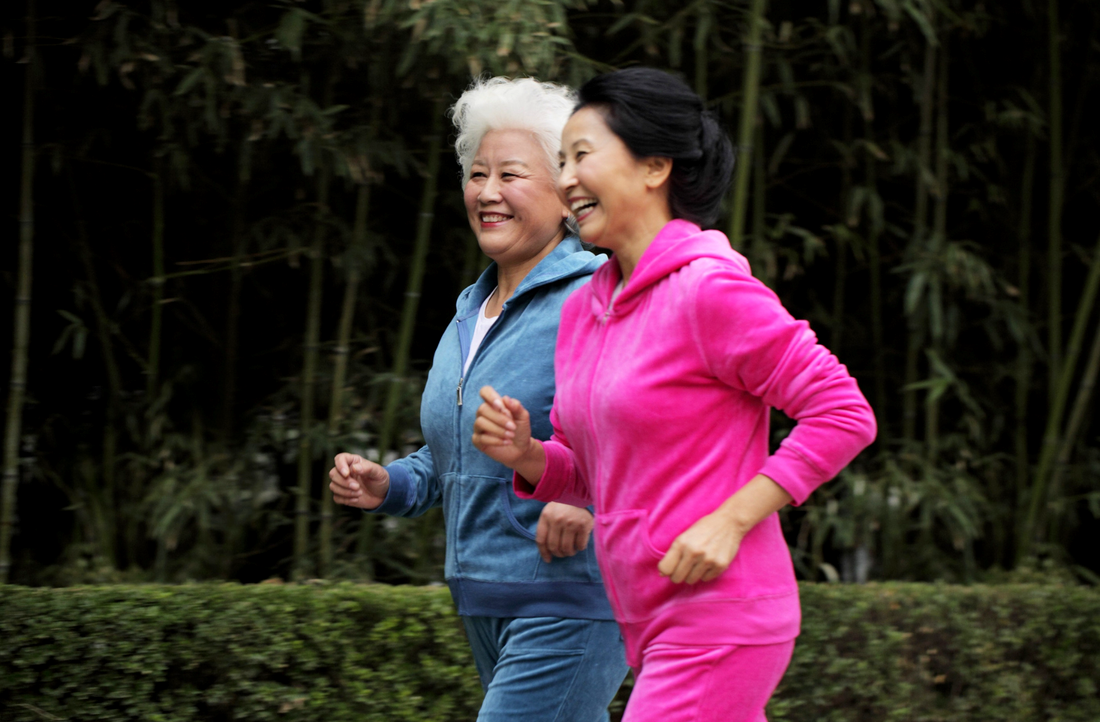
While the classic diagrams of a woman’s reproductive systems are highlighted in early sex education instruction – the vulva, labia let alone the clitoris are totally blurred out.
Menopause is a phase in life often shrouded in mystery, especially among younger women who usually have no idea what to expect or what to do when this natural phenomenon occurs.
We should speak to women long before they reach menopause, so that, when it happens, they are more prepared and less anxious about it. Many women I see wish they had known earlier what they could have done to prepare themselves. As every woman will go through this experience, you should enter this life phase empowered with knowledge. Menopause and perimenopause Beginning with the basics, she explains that menopause is when a woman’s ovaries stop producing eggs and she stops menstruating. Medically, menopause is confirmed when a woman has not experienced menstruation after one year. Generally, this takes place between the ages of 45 and 55. The global average menopausal age is 51.4 years old with 5% reaching early menopause between the ages of 40 and 45. However, before this happens, women go through a perimenopausal stage which usually lasts 4-5 years. During this time, it is normal to have irregular menstruation that may include heavier bleeding as well as infrequent or skipped cycles. This is due to changes in a woman’s endocrine system that leads to reduced oestrogen levels, and is often accompanied by hot flashes, fluctuating emotional states, difficulty sleeping and vaginal dryness. In turn, these may also contribute to forgetfulness, low energy levels and reduced libido which, combined with vaginal dryness, can lead to less interest in sex and intimacy. Once menopause has occurred, the symptoms can become more severe and last up to another 5 years. Overall, the entire process can take around 10 years and this is a long time to be coping with symptoms if they are disrupting your daily life. For example, around 80% of women experience hot flashes, which is far more serious than just feeling warmer than usual. Hot flashes can be severe, with intense waves of heat that get worse at night, disturb sleep, and cause irritability or difficulty concentrating. This can be managed with hormone therapy, but only 30% actually seek treatment, either because they are unaware that treatment exists, or they prefer natural, home remedies instead. Getting help to manage symptoms Although several natural remedies such as black cohosh (升麻) and evening primrose (月见草) have been researched for their efficacy in relieving symptoms of perimenopause and menopause, results have been inconclusive. However, Chinese medicine (CM) may be able to help. The effectiveness of CM can be seen by about three cycles, although the whole process of CM treatment for menopause symptoms may last one to two years. Sin Yen Suan, a certified CM practitioner at IMU Healthcare, sees many women with problems of a gynaecological nature, ranging from fertility issues to menopause. “With CM, we treat health problems by addressing imbalances in the body, using individualised therapies. For women going through perimenopause and menopause, their bodies are undergoing a lot of changes and some women find it hard to cope with them,” she said. “Many women come to me for help with symptoms such as persistent or heavy vaginal bleeding especially, heavy sweating, hot flashes, and disturbed sleep. To help, we use several different treatments such as herbal medications to balance their qi or acupuncture to stimulate blood flow at the meridian points. These methods help to ease their emotional state so they are able to feel better and sleep better at night.” She added, while CM can complement Western medicine, it is best to keep both your CM practitioner and doctor advised on any forms of treatment you are taking. For those seeking to know more about hormone therapy, Prof Dr Nazimah assures that it is generally well-tolerated and can be very helpful in helping to relieve hot flashes and improve sleep quality, vaginal dryness and urinary incontinence, among others. Hormone treatment can come in various forms, and your doctor will recommend one based on the needs of the individual as well as their family history. Options include tablets to relieve overall symptoms, or topical creams to reduce vaginal dryness. Your doctor may recommend tablets that contain both oestrogen to relieve symptoms and progesterone to protect the uterus, or, for women who have already gone through a hysterectomy (a procedure to remove the uterus), a treatment that only contains oestrogen, such as a tablet or vaginal ring. There is also a medication known as tibolone that helps reduce the risk of osteoporosis, which is closely related to oestrogen deficiency, she adds. Most women, unless they have breast cancer or conditions such as liver disease, thromboembolism and heart disease, are able to receive hormone therapy as it is generally considered safe for women who are in good health, even those with chronic conditions so long as they are well-managed. Accepting menopause with confidence Menopause signals a new stage in every woman’s life and can be embraced with confidence. It means an end to dealing with menstrual cramps and bleeding, shrinkage of possible pelvic growths and no further concerns of possible pregnancies or the need for contraceptives. Also, now that the children have grown and retirement is around the corner, you can now have new adventures and a healthy sexual life during menopause is still possible as well. In order to enjoy this time, remember to stay in good health by going for the relevant health screenings and managing any chronic conditions well. Dietary and lifestyle measures can be taken as well: For women above 51, it is advisable to increase calcium intake to 1,200mg a day along with Vitamin D3 to prevent osteoporosis. Menopausal women are also advised to quit smoking and to carry out regular Kegel/pelvic floor exercises, weight-bearing exercises (such as walking, running etc) and strength training with weights. |

EXPLORE FURTHER

|
20 Clever ways for busy moms to sneak in some 'me time' every dayPrioritize self-care, as taking care of oneself can actually make it easier to take care of others
|

|
5 Ways to tweak your health and diet for a healthier decadeThe age milestone is a good reminder
|

|
Surviving, living or striving as a woman: Overcoming poverty and hardshipUnleash your potential as a woman
|

|
Breaking societal norms: Women's ambition after marriage and childrenIs it wrong?
|
|
Vaginismus: The debilitating fear of vaginal penetration leading to marital stressPsychological support and vaginal dilatation
|

|
(Ask a Dr) I fart when I orgasm. Is there anything I can do to make it stop?Pre-lovemaking no-nos: Foods to avoid
|

|
Women's sexuality and pleasure: What are we so afraid of?From nervous twinges to empowered pleasure
|

|
Stretching and strengthening exercises for a frozen shoulderThe inflammatory phase to freezing stage
|

|
Giving birth can trigger autoimmune thyroid diseaseUnderstanding hypothyroidism: Causes and connections to iodine deficiency
|

|
Pelvic floor dysfunction: Effects on urination, bowel movements, and sexual intercourseA comprehensive guide
|

|
Pelvic organ prolapse explainedNumbness during sex a possible symptom
|

|
Understanding pelvic pain: Causes, symptoms, and treatmentExploring the complexities and effective management options
|

|
No period, yet not pregnant? Here is a possible reasonUnderstanding primary ovarian insufficiency (POI) and its impact on women's health
|

|
Carpal tunnel syndrome more common in women than menAssociation of diabetes, gout, and rheumatoid arthritis
|

|
Magnesium deficiency causes sweet craving and stress eatingFactors affecting magnesium intake
|

|
The difference between premature ovarian failure and premature menopauseThe connection between conception and infertility
|