Giving birth can trigger autoimmune thyroid disease
August 3, 2019 @ 4.03 PM
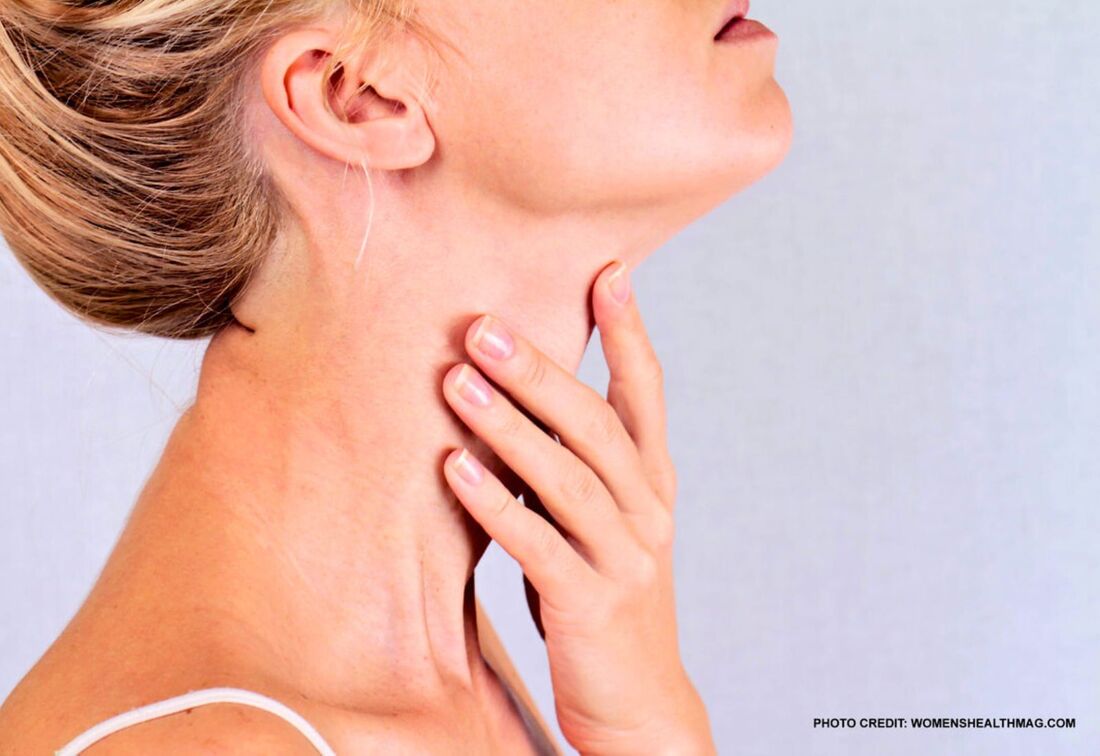
Your thyroid is responsible for producing the master metabolism hormones that control every function in your body.
Women are five to eight times more likely to have thyroid disease, yet more than half of those with a thyroid condition don’t know they have it.
The thyroid gland is a butterfly-shaped gland found inside your neck, right under your larynx or voice box. Your thyroid is responsible for producing the master metabolism hormones that control every function in your body. Hypothyroidism occurs when your thyroid produces too little thyroid hormone, a condition that is often linked to iodine deficiency. Dr Shamin Ramasamy consultant Endocrinologist, Prince Court Medical Centre explained that the thyroid; one of the largest endocrine glands, greatly influences almost every cell in the body. “Aside from regulating your metabolism and weight by controlling the fat-burning process, thyroid hormones are also required for the growth and development in children and in nearly every physiological process in the body.” “When your thyroid levels are out of balance, so are you. Too much or too little hormone secretion in this gland can spell trouble for your overall health and well-being.” “It can be diagnosed with a simple blood test. When you’re a patient navigating a thyroid condition, it can feel like you’re all alone on the journey. After all, “you look normal, so shouldn’t you feel normal” is a common misconception many people have about thyroid disease,” she added. It can be hurtful statements like these that can keep women from getting the help they need. Which means they struggle with their fatigue, infertility, depression, hair loss and other symptoms for far too long. Hypothyroidism There are several types of thyroid disease with the most common being hypothyroidism. Hypothyroid disease is when there is too little thyroid hormone being produced or available to the body. It is most often due to an autoimmune disease known as Hashimoto’s. “Autoimmune disease is when the body begins attacking itself which results in the destruction of tissue. In the case of Hashimoto’s, your body destroys your thyroid gland, resulting in an inability to produce sufficient hormones. This is the most common way hypothyroidism occurs. “Women menstruate, which means we have hormone cycles. And in a perfect world, those cycles make us feel great the entire month with maybe a little more needed rest during our moon. “But in a not so perfect world, hormone imbalances occur driving estrogen dominance. And this makes sense — since stress drives progesterone down and allows for estrogen to move about the body unchallenged. You see, there is this delicate balance among all the hormones and without enough progesterone, that estrogen is not blocked from affecting your tissues,” she added. Estrogen has the ability to enhance the inflammatory process of the immune system. This means estrogen could contribute to the attack on the thyroid. The interaction between our fluctuating hormones and the immune system may be the very thing that puts us at risk. It is well documented that pregnancy puts stress on the thyroid gland, as the demand for thyroid hormone increases following conception. Hypothyroidism can occur anytime during the pregnancy and should be monitored for that reason. But one common thyroid secret is that giving birth can be a trigger for autoimmune thyroid disease. In fact, studies have shown that as many as one in 12 women develop postpartum thyroiditis. The shift in hormones and the immune system both during and after pregnancy put women at risk of developing a thyroid condition. |
EXPLORE FURTHER

|
20 Clever ways for busy moms to sneak in some 'me time' every dayPrioritize self-care, as taking care of oneself can actually make it easier to take care of others
|

|
5 Ways to tweak your health and diet for a healthier decadeThe age milestone is a good reminder
|

|
Surviving, living or striving as a woman: Overcoming poverty and hardshipUnleash your potential as a woman
|

|
Breaking societal norms: Women's ambition after marriage and childrenIs it wrong?
|

|
Perimenopause and menopause: Knowing what to expectHot flashes and disturbed sleep are common hallmarks
|

|
(Ask a Dr) I fart when I orgasm. Is there anything I can do to make it stop?Pre-lovemaking no-nos: Foods to avoid
|

|
Women's sexuality and pleasure: What are we so afraid of?From nervous twinges to empowered pleasure
|

|
Stretching and strengthening exercises for a frozen shoulderThe inflammatory phase to freezing stage
|
|
Vaginismus: The debilitating fear of vaginal penetration leading to marital stress
Psychological support and vaginal dilatation
|

|
Pelvic floor dysfunction: Effects on urination, bowel movements, and sexual intercourseA comprehensive guide
|

|
Pelvic organ prolapse explainedNumbness during sex a possible symptom
|

|
Understanding pelvic pain: Causes, symptoms, and treatmentExploring the complexities and effective management options
|

|
No period, yet not pregnant? Here is a possible reasonUnderstanding primary ovarian insufficiency (POI) and its impact on women's health
|

|
Carpal tunnel syndrome more common in women than menAssociation of diabetes, gout, and rheumatoid arthritis
|

|
Magnesium deficiency causes sweet craving and stress eatingFactors affecting magnesium intake
|

|
The difference between premature ovarian failure and premature menopauseThe connection between conception and infertility
|