HEALTHCARE TODAY
  • IN THE SPOTLIGHT
    • MALAYSIA HEALTH & POLICY NEWS
    • GLOBAL HEALTH NEWS
  • HEALTH CONDITIONS
    • ANTIMICROBIAL RESISTANCE
    • ARTHRITIS
    • ASTHMA
    • BACK PAIN
    • BRAIN DISORDERS
    • BREAST CANCER
    • CANCER
    • CARDIOVASCULAR DISEASE
    • CERVICAL CANCER
    • CORNEAL ULCER
    • CORONAVIRUS DISEASE (COVID-19)
    • DEMENTIA
    • DENGUE
    • DENTAL PROBLEMS
    • DIABETES
    • DRUG ABUSE
    • ECZEMA
    • EYE
    • FIBROIDS
    • GASTROINTESTINAL DISEASES
    • INFLUENZA (FLU)
    • HEADACHES & MIGRAINES
    • HEPATITIS
    • HIV & AIDS
    • JOINT PAIN
    • KIDNEY DISEASE
    • LUNG CANCER
    • LUPUS
    • MELASMA
    • MENTAL HEALTH
    • MOUTH-AND-TEETH
    • OBESITY
    • OSTEOPOROSIS
    • OVARIAN DYSFUNCTION: UNDERSTANDING PREMATURE OVARIAN FAILURE, POLYCYSTIC OVARY DISEASE AND INFERTILITY
    • SEXUAL & REPRODUCTIVE HEALTH
    • SKIN CONDITIONS
    • SLEEP
    • STROKE
  • DISABILITIES & SPECIAL ABILITIES
    • ADHD and ADD
    • AUTISM SPECTRUM DISORDER
    • BLINDNESS & VISION IMPAIRMENT
    • CEREBRAL PALSY
    • DOWN SYNDROME
    • RARE DISEASES
  • NURSING RESOURCES
  • DIGITAL HEALTH
  • HEALTH PRODUCTS & SERVICES
  • RELATIONSHIPS
  • FAMILY HEALTH & PARENTING
  • EMPOWERING WOMEN
  • MEN'S WELLNESS
  • GOLDEN YEARS
  • ACTIVE LIFE HUB
  • NUTRITION
  • COMPLIMENTARY MEDICINE
  • HUMANITARIAN & COMMUNITY HEALTH
  • AMBULANCE AND FIRST AID GUIDE
  • Community clinics/ Klinik Komuniti
  • Government Dental Clinics / Klinik Pergigian Kerajaan
  • ABOUT US

​​​​​Pelvic floor dysfunction: Effects on urination, bowel movements, and sexual intercourse

June 27, 2019
healthcaretoday, Pelvic floor dysfunction, urination, bowel movements, sexual intercourse, leakage of urine, stool, pain during intercourse, pregnancy, childbirth, aging, stress, anxiety, Tissue disorders, interstitial cystitis, irritable bowel syndrome, pelvic organ prolapse, erectile dysfunction, prostatitis, constipation, anorectal diagnosis,
   By Dr Patricia Lim Su Lyn ,​
   Obstetrician and Gynaecologist
   KPJ Tawakkal Specialist Hospital

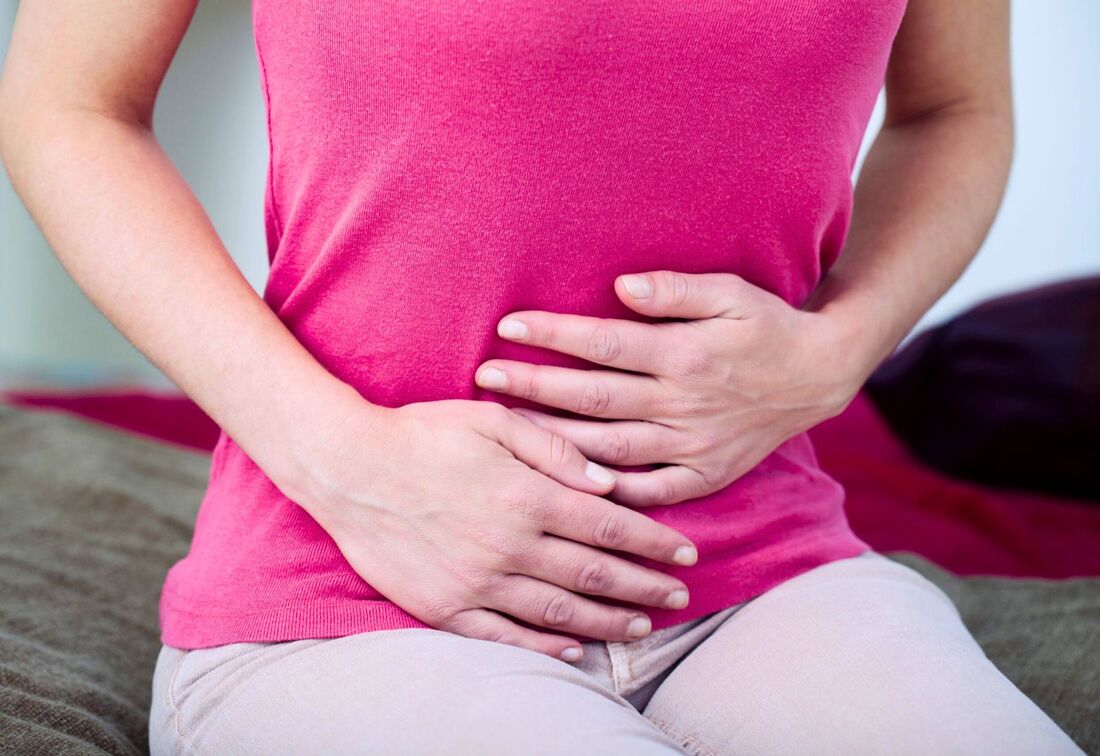
​Pelvic floor dysfunction is a common condition that affects the coordination and relaxation of the muscles in the pelvic floor. This can lead to difficulties with urination, bowel movements, and even sexual intercourse. 

What is pelvic floor dysfunction?
The pelvic floor is a group of muscles that support the organs in the pelvis, including the bladder, uterus, prostate, and rectum. These muscles play a crucial role in controlling urination and bowel movements. In a healthy individual, the pelvic floor muscles tighten and relax as needed. However, in people with pelvic floor dysfunction, these muscles remain tense, causing a range of symptoms.

Symptoms and causes
The most common symptoms of pelvic floor dysfunction include frequent bathroom visits, difficulty emptying the bladder or bowels, leakage of urine or stool, and pain during intercourse. These symptoms can significantly impact a person's quality of life and may be caused by various factors, including:
  • Traumatic injuries to the pelvic area, such as a car accident or a fall from a high place.
  • Overuse of the pelvic muscles, such as straining during bowel movements.
  • Prior pelvic surgery, such as a hysterectomy or prostatectomy.
  • Pregnancy and childbirth, especially difficult deliveries.
  • Aging, which can weaken the pelvic floor muscles.
  • Stress and anxiety.
  • Connective tissue disorders.

Conditions that can be mistaken for pelvic floor dysfunction
Pelvic floor dysfunction can often be mistaken for other conditions, including interstitial cystitis, irritable bowel syndrome, pelvic organ prolapse, erectile dysfunction, prostatitis, constipation, and anorectal conditions. It is essential to consult a healthcare provider for an accurate diagnosis and appropriate treatment.

Diagnosis and tests
To diagnose pelvic floor dysfunction, a healthcare provider will typically ask about the symptoms and medical history. They may also perform a physical exam to check for muscle spasms, knots, or weakness in the pelvic floor muscles. Other tests that may be conducted include anorectal manometry, defecating proctogram, and urodynamic testing.

Management and treatment
Fortunately, pelvic floor dysfunction can be managed without surgery. Treatment options include:
  • Pelvic floor physical therapy: A physical therapist can help identify and stretch tense pelvic floor muscles and improve their coordination.
  • Biofeedback: This treatment involves using sensors and video to monitor pelvic floor muscle activity and providing guidance to improve muscle control.
  • Medications: Daily medications may be prescribed to regulate bowel movements.
  • Relaxation techniques: Meditation, warm baths, yoga, and acupuncture can help relieve tension in the pelvic floor muscles.
  • Trigger point injections: In severe cases, a pain injection specialist may inject numbing medications into specific muscles to relax them.

With proper treatment, most people with pelvic floor dysfunction can experience significant improvements in their symptoms. However, it may take a few months of physical therapy sessions to notice a difference. It is essential to seek treatment as pelvic floor dysfunction symptoms can worsen if left untreated.
ADVERTISEMENT

EXPLORE FURTHER


Picture

20 Clever ways for busy moms to sneak in some 'me time' every day

​Prioritize self-care, as taking care of oneself can actually make it easier to take care of others.
Picture

5 Ways to tweak your health and diet for a healthier decade

​The age milestone is a good reminder
Picture

Surviving, living or striving as a woman: Overcoming poverty and hardship

Unleash your potential as a woman
Picture

Breaking societal norms: Women's ambition after marriage and children

​Is it wrong?
Picture

​​​Perimenopause and menopause: Knowing what to expect

Hot flashes and disturbed sleep are common hallmarks ​
Picture

(Ask a Dr) I fart when I orgasm. Is there anything I can do to make it stop?

​Pre-lovemaking no-nos: Foods to avoid
Picture

Women's sexuality and pleasure: What are we so afraid of?

​From nervous twinges to empowered pleasure
Picture

Stretching and strengthening exercises for a frozen shoulder

​The inflammatory phase to freezing stage
Picture

Giving birth can trigger autoimmune thyroid disease

​Understanding hypothyroidism: Causes and connections to iodine deficiency
Picture

Three or more cups of coffee per day puts you at risk of osteoporosis

​Causes, risks, and preventive measures for women
Picture

Pelvic organ prolapse explained

​Numbness during sex a possible symptom
Picture

Understanding pelvic pain: Causes, symptoms, and treatment

Exploring the complexities and effective management options
Picture

The difference between premature ovarian failure and premature menopause

​The connection between conception and infertility
Picture

No period, yet not pregnant? Here is a possible reason​

​Understanding primary ovarian insufficiency (POI) and its impact on women's health
Picture

Carpal tunnel syndrome more common in women than men

​Association of diabetes, gout, and rheumatoid arthritis
Picture

Magnesium deficiency causes sweet craving and stress eating

​Factors affecting magnesium intake
MORE ON EMPOWERING WOMEN
Picture
Get our wellness newsletter
​Filter out the noise and nurture your inbox with health and wellness advice that’s inclusive and rooted in medical expertise.
Subscribe to Newsletter
About Us
©2018 - 2025 ©Healthcare Today Media Network Sdn Bhd.
All rights reserved. The material in this site is intended to be of general information use and is not intended to constitute medical advice, probable diagnosis or recommended treatments.          
  • IN THE SPOTLIGHT
    • MALAYSIA HEALTH & POLICY NEWS
    • GLOBAL HEALTH NEWS
  • HEALTH CONDITIONS
    • ANTIMICROBIAL RESISTANCE
    • ARTHRITIS
    • ASTHMA
    • BACK PAIN
    • BRAIN DISORDERS
    • BREAST CANCER
    • CANCER
    • CARDIOVASCULAR DISEASE
    • CERVICAL CANCER
    • CORNEAL ULCER
    • CORONAVIRUS DISEASE (COVID-19)
    • DEMENTIA
    • DENGUE
    • DENTAL PROBLEMS
    • DIABETES
    • DRUG ABUSE
    • ECZEMA
    • EYE
    • FIBROIDS
    • GASTROINTESTINAL DISEASES
    • INFLUENZA (FLU)
    • HEADACHES & MIGRAINES
    • HEPATITIS
    • HIV & AIDS
    • JOINT PAIN
    • KIDNEY DISEASE
    • LUNG CANCER
    • LUPUS
    • MELASMA
    • MENTAL HEALTH
    • MOUTH-AND-TEETH
    • OBESITY
    • OSTEOPOROSIS
    • OVARIAN DYSFUNCTION: UNDERSTANDING PREMATURE OVARIAN FAILURE, POLYCYSTIC OVARY DISEASE AND INFERTILITY
    • SEXUAL & REPRODUCTIVE HEALTH
    • SKIN CONDITIONS
    • SLEEP
    • STROKE
  • DISABILITIES & SPECIAL ABILITIES
    • ADHD and ADD
    • AUTISM SPECTRUM DISORDER
    • BLINDNESS & VISION IMPAIRMENT
    • CEREBRAL PALSY
    • DOWN SYNDROME
    • RARE DISEASES
  • NURSING RESOURCES
  • DIGITAL HEALTH
  • HEALTH PRODUCTS & SERVICES
  • RELATIONSHIPS
  • FAMILY HEALTH & PARENTING
  • EMPOWERING WOMEN
  • MEN'S WELLNESS
  • GOLDEN YEARS
  • ACTIVE LIFE HUB
  • NUTRITION
  • COMPLIMENTARY MEDICINE
  • HUMANITARIAN & COMMUNITY HEALTH
  • AMBULANCE AND FIRST AID GUIDE
  • Community clinics/ Klinik Komuniti
  • Government Dental Clinics / Klinik Pergigian Kerajaan
  • ABOUT US