Three or more cups of coffee per day puts you at risk of osteoporosisJuly 1, 2019 @ 8.12 AM
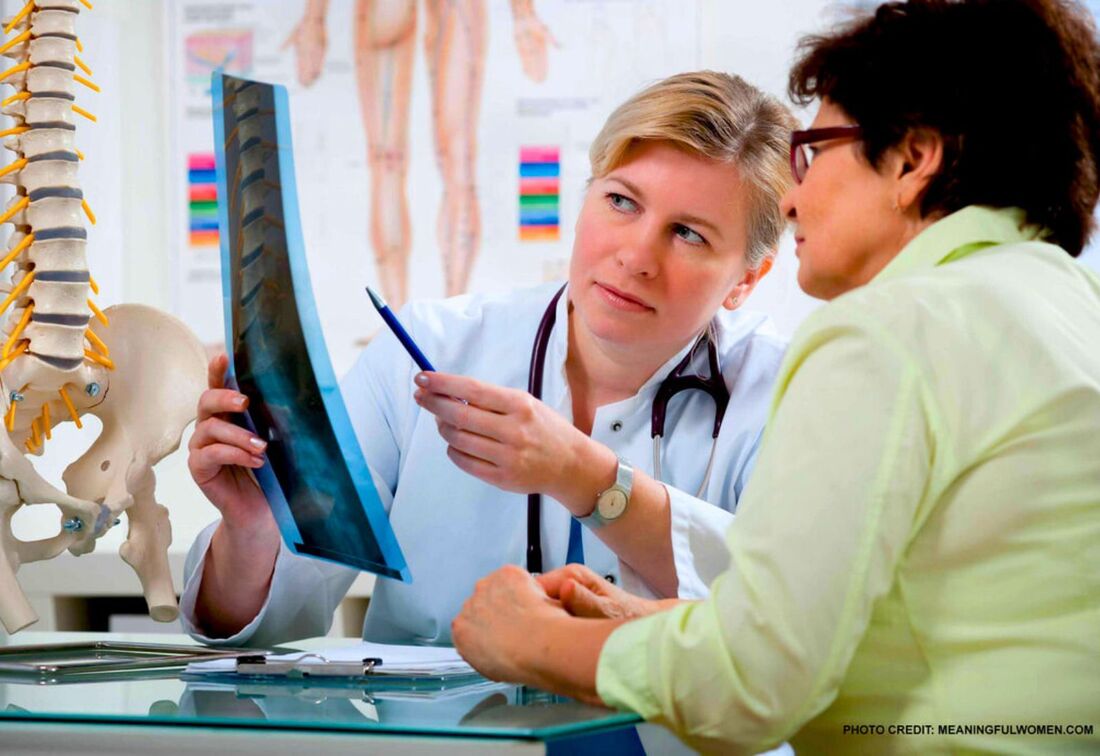
Women aged 50 years or older and those who have menopause before age 45 due to surgical removal of ovaries (oophorectomy) are at risk of getting osteoporosis.
 Four stages of osteoporosis Four stages of osteoporosis
Osteoporosis means “porous bones” - inner bones which are full of holes and spaces. It is a bone disease which occurs when the body makes too little bone or the body looses too much bone, or both. Therefore, bones become weak and are more likely to break from a fall, typically from a standing height (aka “low-trauma” fracture)”.
What makes a woman more susceptible? During childhood and adolescence, more bones are deposited and thus, the skeleton grows in size and density. “The amount of bone tissue in skeleton (aka bone mass) can keep growing until age 30. By then, bones have reached their maximum strength and density (aka peak bone mass). Between age 30 and menopause, there is minimal change in total bone mass," explained Dr Lee Ling Lim, senior lecturer and consultant Endocrinologist, Faculty of Medicine, University of Malaya. “However, during the first few years after menopause, most women have rapid bone loss due to the loss of estrogen, which then slows but continues throughout the postmenopausal period. This loss of bone mass can lead to osteoporosis." Age group affected? Women who have attained menopause. In general, women aged 50 years or older are at risk. There are some risk factors for osteoporosis:
Early signs and symptoms Osteoporosis commonly affects women. Men can also develop osteoporosis, although relatively uncommon. In adults who are suspected to have osteoporosis, additional blood and urine tests to exclude other causes of bone loss especially other hormonal abnormalities (“secondary osteoporosis”) are required. Osteoporosis is usually regarded as a silent disease as one can’t feel the bones weakening. Adults may have low back pain. "Bone fracture with no or minimal trauma (“fall from a standing height”) is typically the first sign of osteoporosis. Adults who have silent spine fracture(s) may notice that she is getting shorter or their upper back is curving forward. Other common fracture sites are hips and wrists," added Lim. How to screen? Based on the Malaysian Osteoporosis Guideline, the Osteoporosis Self-Assessment Tool for Asians (OSTA) is a simple tool to identify at-risk women who may need a bone density measurement. The best method for assessing bone density and diagnosing osteoporosis is using dual energy x-ray absorptiometry (DXA) test at the lower spine and hip. DXA can further guide and monitor the effect of treatment. All women aged 65 years and above should have a DXA test. The aims of treatment for osteoporosis are to avoid the risk factors as listed and to prevent falls/fractures. Preventive measures Lifestyle Exercise: The best activity is weight-bearing exercise such as brisk walking, hiking, jogging, playing tennis, dancing and weight training. Quit smoking, consume alcohol moderately (lesser than three units per day) and have adequate sunshine exposure. Medications There are oral and injectable agents which act by either slowing bone loss or promoting bone formation to a certain extent. However, discussion with health care professionals on the appropriate medications is required. Ensure that you have adequate calcium and vitamin D intake. In the elderly, adequate protein for energy is essential to prevent falls. For adults aged 50 years and older, the recommended daily intake of total elemental calcium (both diet plus calcium supplements) and vitamin D (1000 mg and 800-1000 IU) are recommended for optimal bone health. |
EXPLORE FURTHER

|
20 Clever ways for busy moms to sneak in some 'me time' every dayPrioritize self-care, as taking care of oneself can actually make it easier to take care of others
|
|
5 Ways to tweak your health and diet for a healthier decadeThe age milestone is a good reminder
|

|
Surviving, living or striving as a woman: Overcoming poverty and hardshipUnleash your potential as a woman
|

|
Breaking societal norms: Women's ambition after marriage and childrenIs it wrong?
|

|
Perimenopause and menopause: Knowing what to expectHot flashes and disturbed sleep are common hallmarks
|

|
(Ask a Dr) I fart when I orgasm. Is there anything I can do to make it stop?Pre-lovemaking no-nos: Foods to avoid
|

|
Women's sexuality and pleasure: What are we so afraid of?From nervous twinges to empowered pleasure
|
|
Stretching and strengthening exercises for a frozen shoulderThe inflammatory phase to freezing stage
|
|
Giving birth can trigger autoimmune thyroid diseaseUnderstanding hypothyroidism: Causes and connections to iodine deficiency
|
|
Pelvic floor dysfunction: Effects on urination, bowel movements, and sexual intercourseA comprehensive guide
|

|
Pelvic organ prolapse explainedNumbness during sex a possible symptom
|
|
Understanding pelvic pain: Causes, symptoms, and treatmentExploring the complexities and effective management options
|
|
No period, yet not pregnant? Here is a possible reasonUnderstanding primary ovarian insufficiency (POI) and its impact on women's health
|
|
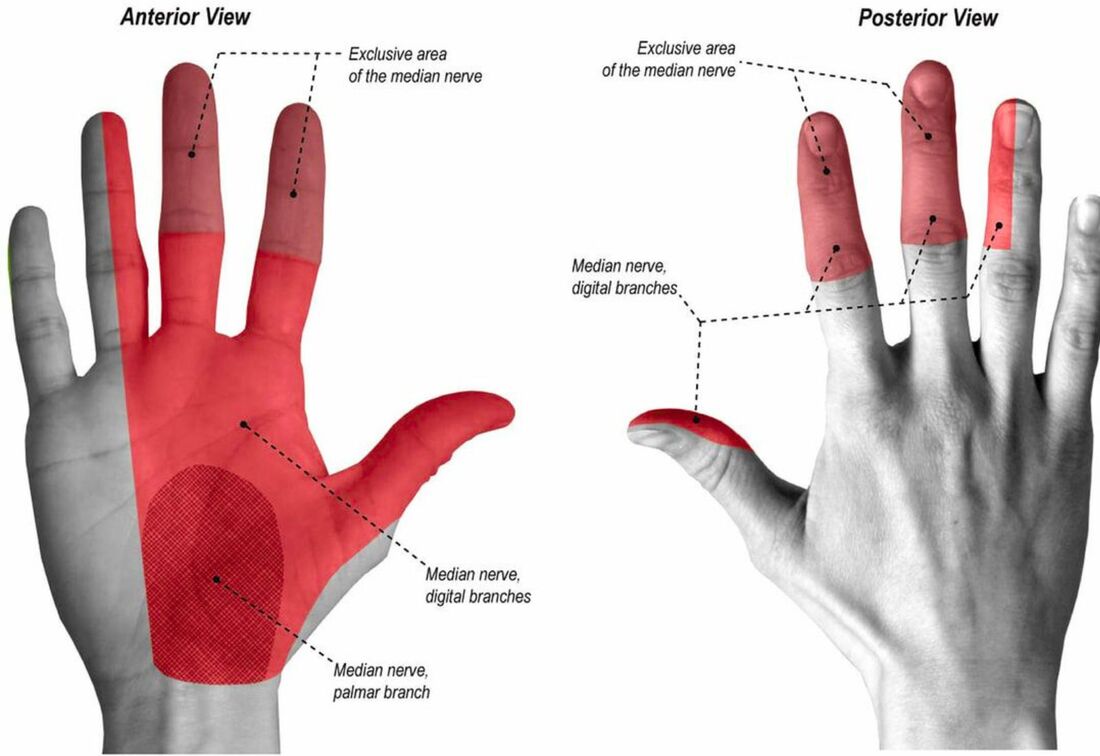
Carpal tunnel syndrome more common in women than menAssociation of diabetes, gout, and rheumatoid arthritis
|
|
Magnesium deficiency causes sweet craving and stress eatingFactors affecting magnesium intake
|

|
The difference between premature ovarian failure and premature menopauseThe connection between conception and infertility
|